
Emma Heming Willis, wife of actor Bruce Willis, has disclosed that he remains unaware of his frontotemporal dementia diagnosis, which was made nearly four years ago. Despite living separately, Bruce frequently receives visits from his family as he continues to face this challenging condition.
Understanding Bruce Willis’ Experience With Dementia
On the podcast Conversations with Cam, hosted by Cameron Oaks Rogers, Emma Heming Willis detailed Bruce’s ongoing struggle with frontotemporal dementia (FTD). She explained that Bruce has not recognized that he is living with this disease.
“[Bruce] never connected the dots that he had this disease.”
– Emma Heming Willis, Wife of Bruce Willis
Emma described a neurological phenomenon called anosognosia, which often affects people with dementia. This condition prevents the brain from recognizing its own impairments, leading to a perception that everything is normal. She clarified that this is not denial but rather a result of brain changes associated with the disease.
“I think they think this is their normal,”
Emma explained.
“There is this term, this neurological condition, that comes with FTD and other types of dementia that’s called anosognosia, where your brain can’t identify what is happening to it. Where people think this might be denial, like where they don’t want to go to the doctor because ‘I’m fine, I’m fine.’ Actually, this is the anosognosia that comes into play. It’s not denial, it’s just that their brain is changing.”
– Emma Heming Willis
Emma expressed mixed feelings about Bruce’s unawareness of his illness.
“Bruce never tapped in… I’m really happy about that,”
she said.
“I’m really happy he doesn’t know about it… That’s the blessing and the curse of this.”
– Emma Heming Willis
Bruce Willis’ Health Journey and Diagnosis
The 70-year-old actor, famous for iconic roles in Pulp Fiction, The Sixth Sense, and the Die Hard franchise, retired from acting in March 2022 after being diagnosed with aphasia, which affects communication abilities. In February 2023, his family disclosed that this condition had developed into frontotemporal dementia.
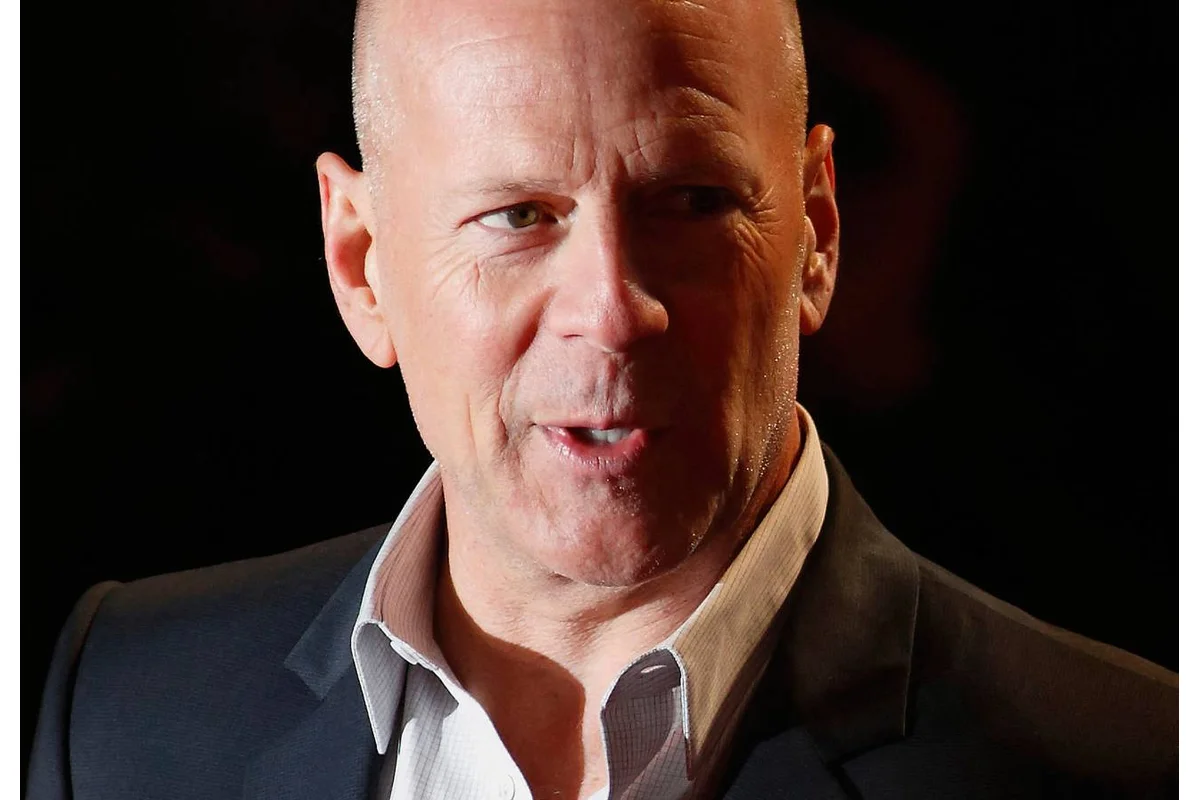
His family released a statement acknowledging the communication difficulties Bruce faces as just one symptom of his illness but expressed relief at having a clear diagnosis.
“Unfortunately, challenges with communication are just one symptom of the disease Bruce faces,”
the family wrote.
“While this is painful, it is a relief to finally have a clear diagnosis.”
– Bruce Willis’ family
Maintaining Connection Despite the Disease
Emma also shared insights into Bruce’s current state and their relationship amid his condition.
“He is still very much present in his body.”
– Emma Heming Willis
“He has a way with connecting with me, our children, that might not be the same as you would connect with your loved one but it’s still very beautiful and meaningful,”
she explained.
“It’s just different. You just learn how to adapt.”
– Emma Heming Willis
Raising Awareness for Caregivers and Dementia Support
As Bruce continues his fight with frontotemporal dementia, Emma is dedicating efforts to raise awareness about dementia and the challenges faced by caregivers.
“I’m really trying to use my voice in the best way that I can… to help open the door a little bit to what caregiving looks like and how caregivers are so unsupported and so unseen,”
Emma emphasized.
“How do we get the government to see that we are in a crisis? There are 63 million caregivers in the U.S., 11 million of whom are caring for someone with dementia, and they are not supported.”
– Emma Heming Willis
Emma’s advocacy highlights the urgent need for greater support and recognition for families managing dementia, reflecting a growing caregiving crisis in the United States. Her efforts aim to bring more attention to the human and social impact of diseases like frontotemporal dementia as well as the difficult realities faced by those providing care.
