
Quentin Tarantino’s legacy pressure may be creating significant challenges for the acclaimed director as he approaches the final phase of his filmmaking career. Unlike many other legendary directors who weather occasional missteps with little impact on their reputations, Tarantino’s unwavering commitment to ending his career after his tenth film has raised the stakes so high that anything less than extraordinary could severely affect how he will be remembered.
Comparing Tarantino’s Situation with Other Renowned Filmmakers
Many revered directors such as Martin Scorsese, Francis Ford Coppola, Steven Spielberg, the Coen brothers, and David Lynch have produced films that did not meet critical or commercial expectations at various points in their careers. For example, Scorsese might have been offered to direct a Flashdance sequel as a trade for funding another project, but this would never diminish his status as a legend due to his extensive body of acclaimed work. Similarly, Coppola’s legacy as the creative force behind The Godfather trilogy and Apocalypse Now overshadows his less successful titles like Jack or Megalopolis.
Other notable missteps include Steven Spielberg’s Always, the Coen brothers’ remake of The Ladykillers, Spike Lee’s Oldboy, Rob Reiner’s North, and William Friedkin’s Jade. Although these projects did not resonate strongly with audiences or critics, they have not overshadowed the directors’ vast contributions to cinema history over time. This contrast places Tarantino in a difficult position because he has chosen to set a definitive endpoint for his career, amplifying the pressure for his final work to be a masterpiece.
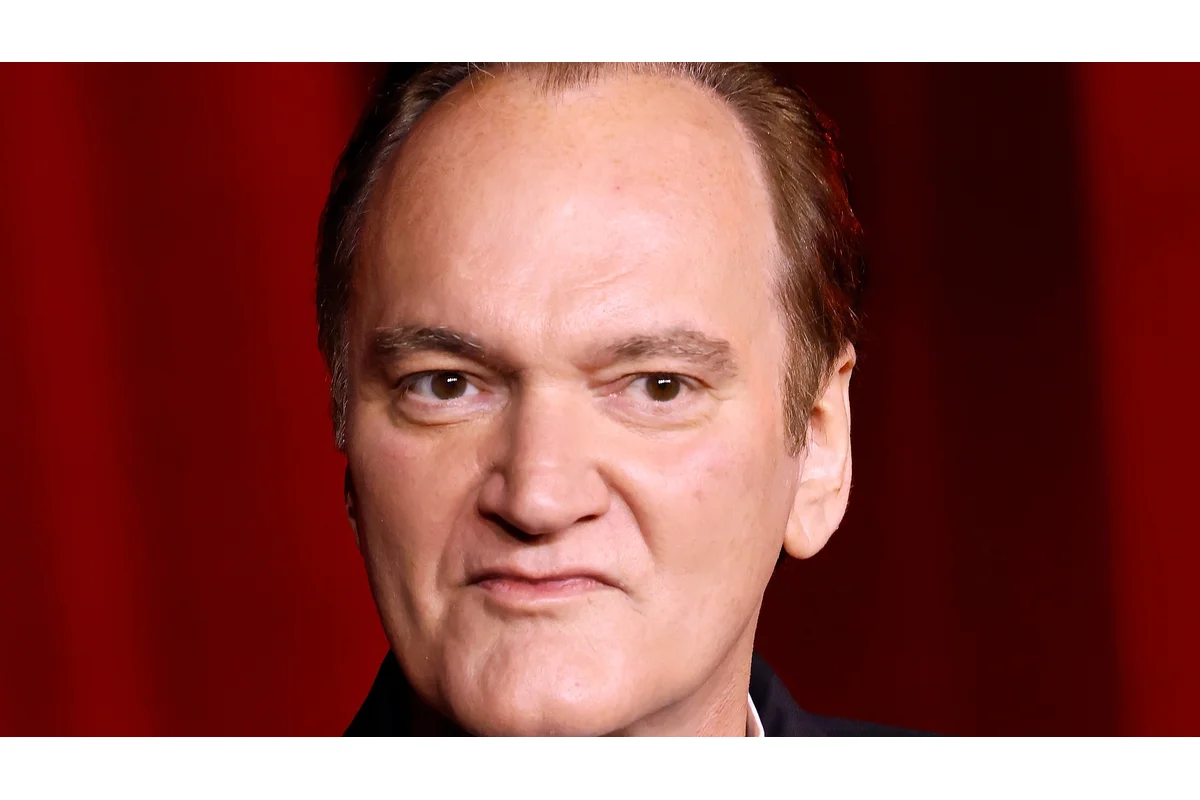
The Pressure to Deliver a Cinematic Masterpiece
Tarantino’s long-held plan to conclude his filmmaking journey after his tenth feature creates enormous expectations for this final production. He has expressed a growing concern about how he will be remembered, intensifying his focus on legacy rather than taking creative risks. Although he has diversified into other forms of art, including writing a play, his advancing age means that by the time his last movie hits theaters, he will be close to 70 years old. This reality adds a layer of urgency and pressure around his closing cinematic statement.
How Howard Hawks Influenced Tarantino’s Legacy Mindset
A significant factor shaping Tarantino’s thoughts about his career legacy is his admiration for director Howard Hawks. Tarantino once explained,
“Where I’m coming from, it’s all about the filmography,”
revealing that his goal is to create a body of work that endures across generations. He recounted how discovering Hawks’ His Girl Friday initially made a profound impact on him. Although he liked Hawks’ To Have and Have Not less, he could still recognize the unmistakable signature style of the filmmaker. Tarantino hopes that one day, decades from now, younger viewers will look back on his complete works with the same reverence.
He stated,
“My aim is that some kid in 50 years time has the same experience with me and my films. At the end of a director’s career, you don’t look at just one movie; you look at all of them.”
This aspiration, while admirable, overlooks how audience memory often elevates a director’s most iconic films above their less successful ones.
The Risks of Fixating on Legacy During Active Production
Tarantino’s fixation on how his legacy will be perceived places him in a precarious position. By declaring early on that he will retire after a set number of films, he forces every project to meet an exceptionally high standard. This can hinder creative freedom and increase the likelihood that his final work might fall short of expectations, undermining the careful reputation he has built.
While many great directors have produced flawed projects without compromising their lasting influence, Tarantino’s self-imposed constraints and public statements about his endgame elevate the pressure beyond what is typical. The emphasis on generating a perfect swan song may ironically reduce the possibility of crafting an enduring cinematic triumph.
The Future of Tarantino’s Career and Legacy
As Quentin Tarantino moves forward with his final film and other artistic ventures, how he manages the immense pressure to preserve his legacy will be critical. Unlike directors such as Martin Scorsese and Francis Ford Coppola, who have broad, diverse careers that allow for occasional missteps, Tarantino’s definitive final act leaves little room for error. His story demonstrates how the desire to control legacy can weigh heavily on creative work and potentially threaten the very career it aims to define.
Ultimately, the outcome of his last projects will determine whether Tarantino’s reputation remains untarnished or if the weight of legacy pressure proves to be his greatest obstacle.
