
Clint Eastwood’s approach to his work is defined by unwavering commitment, sometimes requiring patience, but always resulting in eventual success. Throughout his career, this steadfastness has been evident in his transition from acting to directing, a move he first considered during his time on Rawhide. Despite early setbacks, including another actor mishandling a directing opportunity on a different show, Eastwood waited more than a decade before his chance to direct a feature film arrived.
That opportunity came in 1971 with Play Misty for Me, which surprised many studio executives who questioned why Eastwood, initially known as an action star, wanted to portray an ordinary man rather than continue with his established tough-guy persona. However, Eastwood’s instincts proved correct, as he ultimately became one of cinema’s rare talents to excel both in front of and behind the camera, forging a legacy built on strong personal principles.
Choosing Quality Over Repetition in the Dirty Harry Series
Despite his success as the iconic “Dirty Harry,” Eastwood resisted pressure to endlessly extend the franchise. Although he made five films featuring the famous .44 Magnum-wielding cop, he deliberately avoided watching earlier entries before returning to the role. This choice was made to prevent repetition and self-imitation, which he viewed as a pitfall many actors and filmmakers succumb to over time.
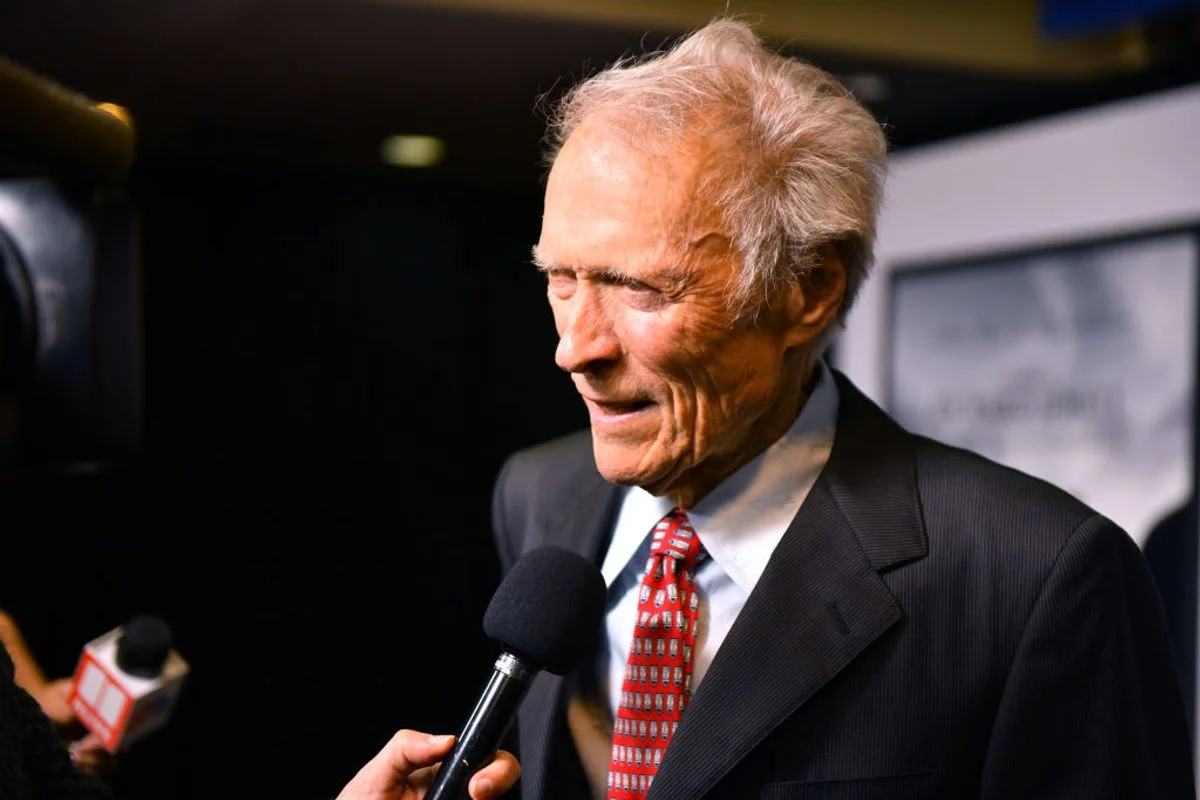
“When I was preparing for the sequels, I forbade myself to watch the first one again,”
Eastwood said.
“I wouldn’t want to reach the point where I am imitating myself. You and I know some filmmakers and actors who are reduced to that.”
– Clint Eastwood
His decision to avoid revisiting Don Siegel’s original Dirty Harry during preparation was a conscious effort to maintain the freshness and authenticity of his portrayal, steering clear of self-parody and repetition that often affect long-running franchises.
Resisting Influence While Developing Later Western Films
Eastwood’s self-imposed rule applied to other projects as well. When preparing for Pale Rider, he deliberately avoided watching his earlier westerns, including The Outlaw Josey Wales. He recognized that although the films shared a genre and mythological framework, relying on past roles could hinder new creative expressions.
“When I started work on Pale Rider, I was tempted to see Josey Wales again, and my first westerns,”
Eastwood revealed.
“Then I told myself, ‘No, I can’t do that. There isn’t any connection. The only connection is that it is a western, and there’s a certain mythology associated with that genre. But I don’t want to repeat myself, I don’t want to be influenced by the past.”
– Clint Eastwood
This approach highlights Eastwood’s dedication to innovation within familiar territory, aiming to create distinct characters and stories without recycling previous performances.
Eastwood’s Career Peak as William Munny
Paradoxically, Eastwood’s most acclaimed role as William Munny in Unforgiven carries the accumulated influence of many of his earlier characters from the Dollars trilogy, The Outlaw Josey Wales, and Pale Rider. Despite this, Eastwood chose to avoid consciously drawing from his past performances, trusting that the narrative and character development would naturally reflect his cinematic journey without deliberate callbacks.
This stance sets Eastwood apart from many Hollywood legends who often acknowledge their past work overtly or rely on nostalgia; instead, he maintains a focus on forward momentum and originality in his career.
The Lasting Impact of Eastwood’s Work Ethic and Artistic Choices
Clint Eastwood’s career principles of persistence, creative integrity, and resistance to self-repetition have shaped not only his individual roles but also the broader standards of filmmaking in Hollywood. By refusing to revisit earlier performances for guidance, he avoided creative stagnation and preserved the authenticity of his characters. This disciplined approach continues to influence filmmakers and actors who seek to balance legacy with innovation.
As Eastwood’s career evolves, his commitment to these values ensures that his work remains fresh and relevant, reinforcing his status as a dual icon in both acting and directing.
