
Awards season is intensifying as Ryan Coogler’s vampire-horror film, Sinners, makes history with a record-breaking 16 Oscar nominations. Despite this unprecedented recognition, Michael B. Jordan, the film’s lead actor, has yet to secure a major award, triggering a heated discussion around the best actor category and the so-called Michael B Jordan Oscar snub.
Jordan’s performance is notable for playing twin characters in Sinners, marking what many see as his strongest chance to finally clinch an Oscar. However, Timothée Chalamet currently dominates the best actor race for his role in Marty Supreme, fueling debates over whether his lead is truly deserved amid fierce competition.
Michael B. Jordan’s Impact on Modern Cinema
It is surprising that until this awards season, Michael B. Jordan had not received a Golden Globe, Actor Award, or Oscar nomination. His acclaimed work in Sinners adds to a long list of notable performances that many believe should have been previously acknowledged. Jordan first gained widespread attention portraying Oscar Grant in the 2013 film Fruitvale Station, a project that began his collaboration with director Ryan Coogler, who also directed Sinners.
Following that, Jordan rose to greater prominence playing Adonis Creed in the 2015 film Creed, a successful spin-off from the Rocky franchise. The critical and box office success of the series not only elevated his acting career but also allowed Jordan to make his directorial debut with Creed III, receiving praise for his work behind the camera as well.
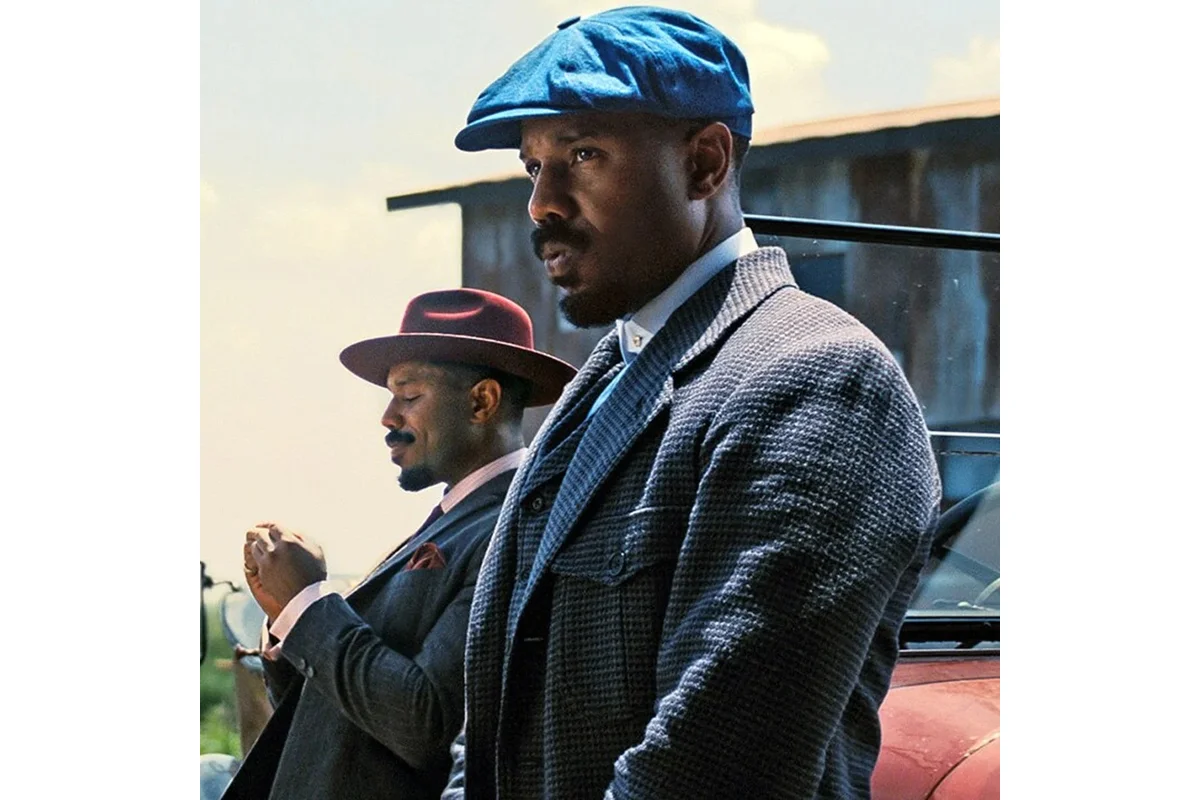
In 2018, Jordan joined the Marvel Cinematic Universe as Erik Killmonger in Black Panther, which was both a commercial blockbuster and a critical darling. This role earned him a Critics’ Choice nomination for supporting actor, marking a significant milestone. Now, with Sinners, Jordan is gaining the award nominations that many believe should have come much sooner. His portrayal of identical twins Stack and Smoke has been widely praised for its clarity and skill, underscoring his versatility as an actor.
The Historical Context of Black Cinema and Award Recognition
Jordan’s and Sinners’ lack of major wins, despite numerous nominations, aligns with a troubling historical pattern where Black-led films often receive limited recognition during awards seasons. Notable examples include acclaimed works by director Spike Lee, whose films Do the Right Thing and BlacKkKlansman exposed racial divides and garnered critical acclaim but faced underwhelming Academy acknowledgment.
Spike Lee, widely regarded as one of the greatest directors, has never won an Oscar for best director. His 1989 film Do the Right Thing, which remains culturally and politically significant decades later, was notably passed over for a Best Picture nomination. The film’s only nominations included one for best supporting actor given to Danny Aiello, a white actor, despite the film’s predominantly Black cast and focus.
Conversely, BlacKkKlansman earned six Oscar nominations and won for Best Adapted Screenplay, yet John David Washington, who played the lead, was overlooked in the best actor category while Adam Driver was nominated. The film lost Best Picture to Green Book, whose ending was widely seen as a more comforting, if less challenging, portrayal of race relations. The lack of a major acting award for Washington and the film’s loss symbolize ongoing inequities in how race-related movies are honored.
The Creed franchise also fits this pattern. Despite its critical and box office success, neither director Ryan Coogler nor Jordan received major award nominations. Instead, Sylvester Stallone, playing a supporting role, received attention for best supporting actor nominations from both the Golden Globes and the Academy, again highlighting an imbalance in how recognition is distributed in Black-led productions.
Given this context, the extensive nominations for Sinners are seen as a noteworthy development. A major win for the film or Jordan himself would represent a significant breakthrough, potentially signaling progress in overcoming the trend of neglecting Black-led and directed films in prestigious award categories.
The Competition and Perspectives on Timothée Chalamet’s Position
While many support Michael B. Jordan and Sinners, the awards race also features formidable talent. Timothée Chalamet, the frontrunner for best actor with his work in Marty Supreme, has a strong case based on his consistent dedication and acclaimed performances. However, some question the fairness of his dominant position, especially considering his previous year’s loss.
Adrian Brody’s win for The Brutalist in 2025 was controversial, and the joy surrounding Chalamet’s best actor win at the Actor’s Awards suggested he might have been more deserving then. His portrayals in A Complete Unknown and Marty Supreme have been praised and, compared to this year’s competition, are seen by some as less powerful.
This year, Chalamet competes alongside Jordan, Leonardo DiCaprio, Ethan Hawke, and Wagner Moura, raising questions about why his path toward an Oscar appears so certain. Another contender, One Battle After Another, is leading the best picture race and has overshadowed Sinners in some respects, though fans appreciate both films.
Despite this, Sinners stands out as a true cinematic phenomenon, ranking as the seventh highest-grossing film of 2025 with an original screenplay. The film’s ability to draw audiences back to theaters—an increasingly rare achievement today amid streaming services—speaks to its cultural impact.
Its Golden Globe win for cinematic and box office achievement was widely seen as well-earned. Approaching the Academy Awards on March 15, Sinners has yet to secure major wins, but its lasting presence and influence suggest its significance will endure beyond this awards season.
“One Battle After Another has also taken the spotlight in the awards race over Sinners. It’s the front runner for best picture and I can’t be as upset about that. Did I enjoy Sinners more? Yes. Do I see the appeal of One Battle After Another? Also yes. The difference between them is Sinners feels like a true cinematic event. It is the seventh highest grossing film of 2025 as an original screenplay. People ran to the theaters again, which is rare in an era of streaming services.” – Student at Syracuse University pursuing a major in psychology.
