
Stephen King‘s name is often synonymous with graphic horror, featuring scenes drenched in blood and monstrous terror; however, several adaptations of his work emphasize psychological tension over visceral gore. These Stephen King psychological movies explore complex human emotions and mind games rather than relying on shock value, offering viewers a cerebral approach to fear.
A Tense Domestic Thriller: The Story Behind A Good Marriage
In 2014, King penned the screenplay for A Good Marriage, adapted from his novella included in Full Dark, No Stars. The story draws from the chilling real-life case of Dennis Rader, the BTK killer, who managed to conceal his violent double life from his wife for decades. King’s narrative centers on Darcy Anderson (Joan Allen), who discovers unsettling evidence that forces her to confront the possibility that her husband Bob (Anthony LaPaglia) may be a dangerous criminal.
This film hinges heavily on the dynamic between two strong lead performances, navigating psychological dread within the confines of a seemingly stable marriage. While not universally praised, it surpasses some of King’s less successful screenplays, such as Maximum Overdrive. The tension builds as Darcy grapples with the fear and denial surrounding her husband’s true nature, making it more a psychodrama than a horror tale driven by gore.
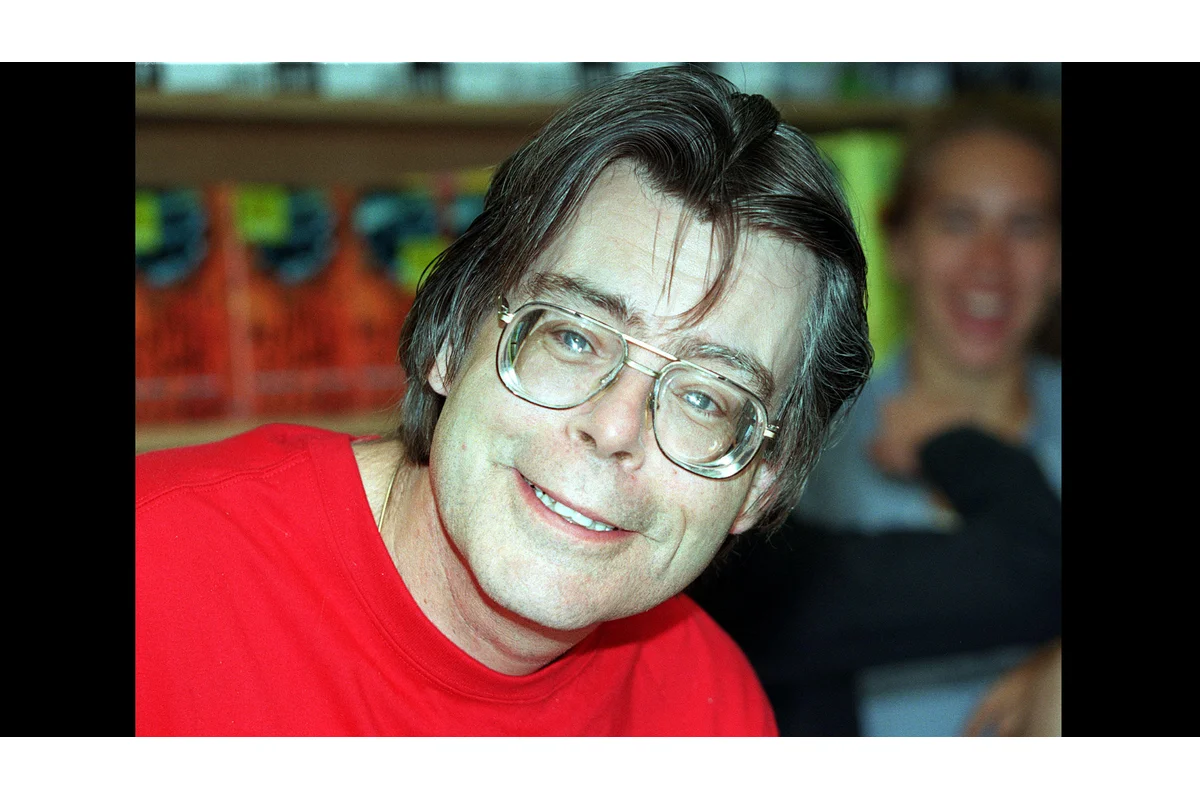
Great -– now Stephen King is giving my father a big head. Thanks for that. That’s the last thing my dad should get,
Kerri Rawson, Daughter of Dennis Rader
Mind Games and Mystery in Secret Window
The 2004 film Secret Window, starring Johnny Depp and directed by David Koepp, is a psychological thriller rather than a blood-soaked horror. Adapted from King’s novella Secret Window, Secret Garden, included in his Four Past Midnight collection, it follows Mort Rainey, a writer struggling with betrayal and accusations of plagiarism from the enigmatic John Shooter (John Turturro).
This story focuses on Mort’s unraveling sanity as the confrontation between these two men intensifies. Though violence appears, it is the mental strain and suspicion that drive the narrative. King often explores writers’ minds, and this film exemplifies that subtle blend of fear and psychological suspense, showcasing dread rooted in the mind rather than explicit brutality.
The Dark Influence and Twisted Bond in Apt Pupil
Adapted from a novella in King’s 1982 collection Different Seasons, Apt Pupil was made into a film in 1998 directed by Bryan Singer. The story revolves around Todd Bowden, a teenager who discovers his neighbor Kurt Dussander, played by Ian McKellen, is a former Nazi war criminal living under an assumed identity. Their evolving relationship reveals a disturbing fascination with evil that pushes the film into tense, unsettling territory.
Though the novella contains graphic scenes, the film omits many of those elements, instead focusing on a psychosexual thriller that delves into manipulation and corruption. The uneasy atmosphere is enhanced by real-life controversies surrounding the production, adding a layer of discomfort to its portrayal of deeply flawed characters.
Political and Supernatural Thriller Elements in The Dead Zone
David Cronenberg, known for his explicit body horror, takes a restrained approach with his 1983 adaptation of King’s novel The Dead Zone. The film stars Christopher Walken as Johnny Smith, who awakens from a coma with the power to glimpse the future through touch. When Johnny foresees a political candidate causing disaster, he struggles to prevent it, blending psychic phenomena with suspenseful political thriller elements.
Unlike Cronenberg’s typical graphic style, this film’s horror lies in paranoia and moral dilemmas, reminiscent of 1970s conspiracy thrillers. Walken’s measured performance alongside Martin Sheen’s portrayal of a corrupt politician creates a tense atmosphere where the fear of impending catastrophe outweighs any graphic content, emphasizing psychological dread.
The Psychological Layers of The Shining Beyond the Supernatural
Although many associate The Shining with terrifying ghosts and eerie supernatural events, the 1980 adaptation by Stanley Kubrick places greater emphasis on psychological horror. It follows Jack Torrance (Jack Nicholson), a writer tasked with caretaking a remote hotel during winter, where isolation and addiction unravel his sanity, impacting his wife and son profoundly.
The film explores the horrors of familial abuse and mental deterioration rather than relying on visible gore. The unsettling presence of the hotel’s ghosts amplifies the internal torment experienced by the characters, making the story a study in psychological breakdown and domestic terror.
‘The Shining’ uses … psychological misdirection to forestall the realization that the supernatural events are actually happening,
Stanley Kubrick, Director
Kubrick’s strategic layering of fear through ambiguity rather than graphic violence results in a chilling experience that remains one of the most critically acclaimed psychological horror films, demonstrating King’s range beyond traditional gore.
These five Stephen King psychological movies reveal the writer’s ability to craft stories that unsettle the mind and reflect human darkness without excessive bloodshed. They challenge audiences by focusing on tension, character struggles, and moral ambiguity. For viewers preferring thought-provoking horror to graphic scenes, these films offer a compelling dive into Stephen King’s more cerebral territory, highlighting why his works continue to resonate across multiple genres and decades.
