
Netflix is now streaming the 1992 film Bram Stoker’s Dracula, a sensual and stylish vampire thriller directed by Francis Ford Coppola, featuring Keanu Reeves. This movie explores themes of obsession and dark romance, offering audiences an intense portrayal of Dracula that moves beyond the usual focus on gore, capturing the seductive and terrifying nature of the vampire myth.
A Dark Romantic Tale Unfolds in Victorian London
The story centers on a young solicitor who is tasked with finding a new residence for Count Dracula. However, the vampire becomes obsessed with the solicitor’s fiancée, whom he believes is the reincarnation of his lost wife. This obsession sets off a chain of events filled with passion and peril, threatening not only the couple’s relationship but also the safety of London itself. The plot intertwines horror with romance, making the film an emotionally charged journey through desire, danger, and supernatural forces.
Star-Studded Ensemble Brings Dracula to Life
Bram Stoker’s Dracula features a remarkable cast of Hollywood talents. Winona Ryder, known for her role in Little Women, stars alongside Keanu Reeves, famously recognized from The Matrix. Anthony Hopkins, celebrated for The Silence of the Lambs, and Cary Elwes, from The Princess Bride, also contribute strong performances. Tom Waits adds a memorable touch as Renfield, Dracula’s crazed servant, enhancing the eerie atmosphere of the story.
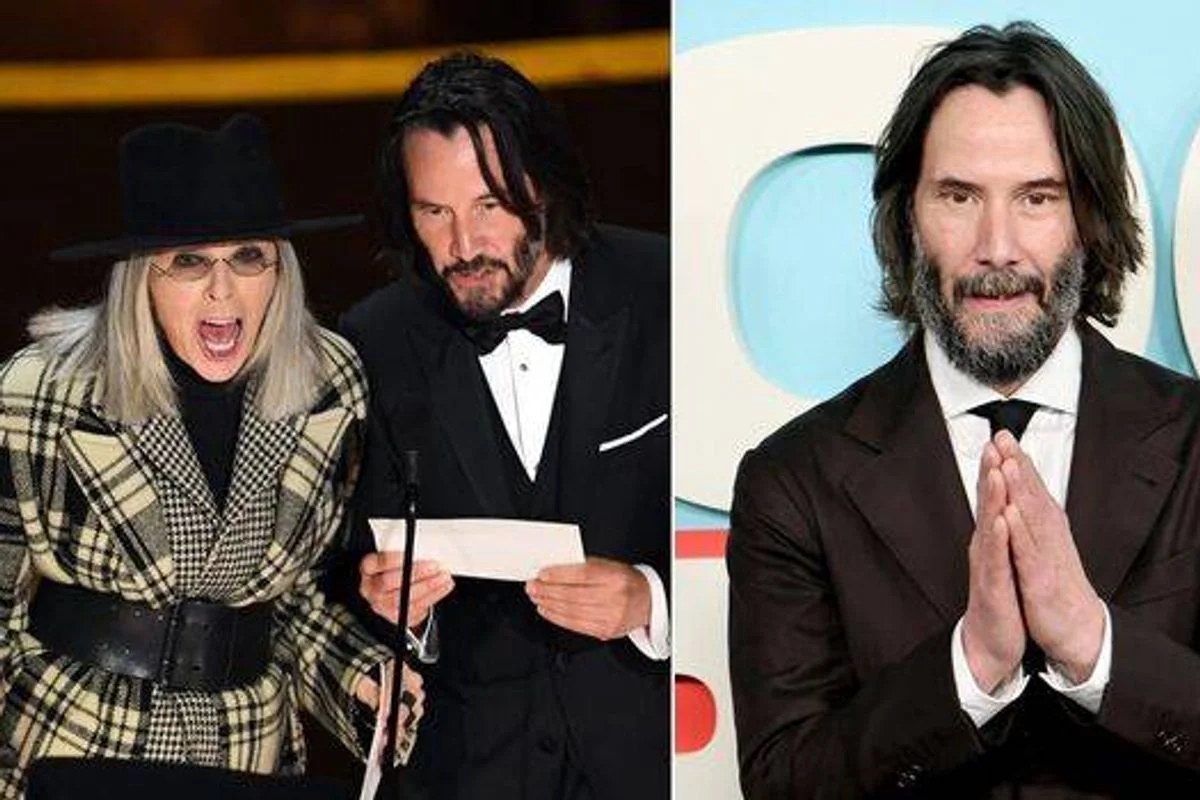
However, the spotlight firmly rests on Gary Oldman, who takes on the role of Count Dracula with a complexity unmatched by many vampire portrayals. Oldman portrays Dracula in multiple forms—as a young man who abandons God to become evil, a predatory ghoul sustained by others’ life forces, and a charming figure haunting the streets of 19th-century London. His performance powerfully conveys the vampire’s allure and menace, making Dracula both hypnotic and fearsome.
The Film’s Impact and Critical Success
Francis Ford Coppola’s commitment to a high-quality production is evident in the $40 million budget, a significant investment for a horror movie at the time. The gamble paid off, as Bram Stoker’s Dracula grossed $225.9 million worldwide, becoming a major box office success. It also earned respect from critics, a notable achievement given the genre’s usual critical dismissal. The film holds a 69 percent rating on Rotten Tomatoes, where reviewers praised Gary Oldman’s transformative role and lauded Coppola’s vision to modernize and revitalize the Dracula myth for a contemporary audience.
Recognized by the Academy for Technical Mastery
At the Academy Awards, the film garnered three Oscars: Best Sound Editing, Best Makeup, and Best Costume Design. Although it missed out on Best Art Direction, losing to Howards End, these wins underscored the movie’s outstanding technical and artistic achievements. The intricate makeup and costumes contributed to the film’s period authenticity and striking visual style, heightening its eerie and immersive quality.
Bram Stoker’s Dracula remains a unique film that straddles various genres. While it functions as a horror story filled with ominous and chilling scenes, it simultaneously serves as an intense romantic drama. The lavish aesthetics and Coppola’s bold direction create moments that are both visually captivating and emotionally stirring, making it a cinematic experience that continues to fascinate viewers decades after its release.
Visual Grandeur and Iconic Performances Define the Film
Every scene in Bram Stoker’s Dracula is marked by opulence and striking design, from quiet moments aboard a speeding train to grand displays of the count’s supernatural power. Coppola’s dedication to style and atmosphere ensures the film’s visuals stay etched in viewers’ memories. Despite some viewers finding certain performances unusual—such as Keanu Reeves’ thick accent—the film’s visual richness consistently commands attention.
Legacy and Enduring Appeal Among Vampire Films
While the 1931 Dracula starring Bela Lugosi is often hailed as the definitive vampire film, Bram Stoker’s Dracula occupies a special place as a bold reinterpretation of the legend. It successfully revitalizes vampire cinema with a combination of sensuality, horror, and drama, an approach that had been absent from many earlier vampire films. Coppola’s adaptation has helped ensure that Dracula remains a compelling figure in modern culture, appealing both to horror fans and those drawn to dark romance.
For viewers seeking a supernatural thriller that balances seductive menace with lavish cinematography and strong performances, this film offers a memorable experience. Whether audiences are fans of Gary Oldman’s multifaceted Dracula or Keanu Reeves’ distinctive role, the movie’s chilling atmosphere and dramatic tension continue to captivate.
“how did he do that?” Francis Ford Coppola,
“even if you start zoning out (hey, the Keanu Reeves dialogue will do that to you!), it’s undeniably difficult to tear your eyes away from a film that looks this freakin’ good.” Chris Snellgrove
