
On February 4, 2026, acclaimed director Guillermo del Toro shared that he identified as a “Frankensteinist” from the age of 11. Now 61, del Toro has directed a new adaptation of the Frankenstein story, a project that has been many years in the making. The film explores themes of creation, humanity, and identity, reflecting del Toro’s lifelong connection to the source material and its central character.
Speaking at the BFI IMAX theater in London, del Toro said he sees Frankenstein’s Creature as a reflection of himself and of humanity at large. He believes the story is universal and intended by Mary Shelley to represent “every human,” which inspired him to bring this vision to the screen.
It is the origin of humanity and understanding as paradise lost … I know this sounds exaggerated, but it’s my religion. I was born and raised Catholic, and then at 11, I became a Frankensteinist.
Guillermo del Toro, Filmmaker
The Experience of Viewing Frankenstein in Cinemas
Though the new Frankenstein film was produced for Netflix, del Toro strongly advocates for watching it in a theater setting. He believes that the communal experience enhances the emotional and spiritual impact of movies, offering something that cannot be replicated through individual viewing at home.
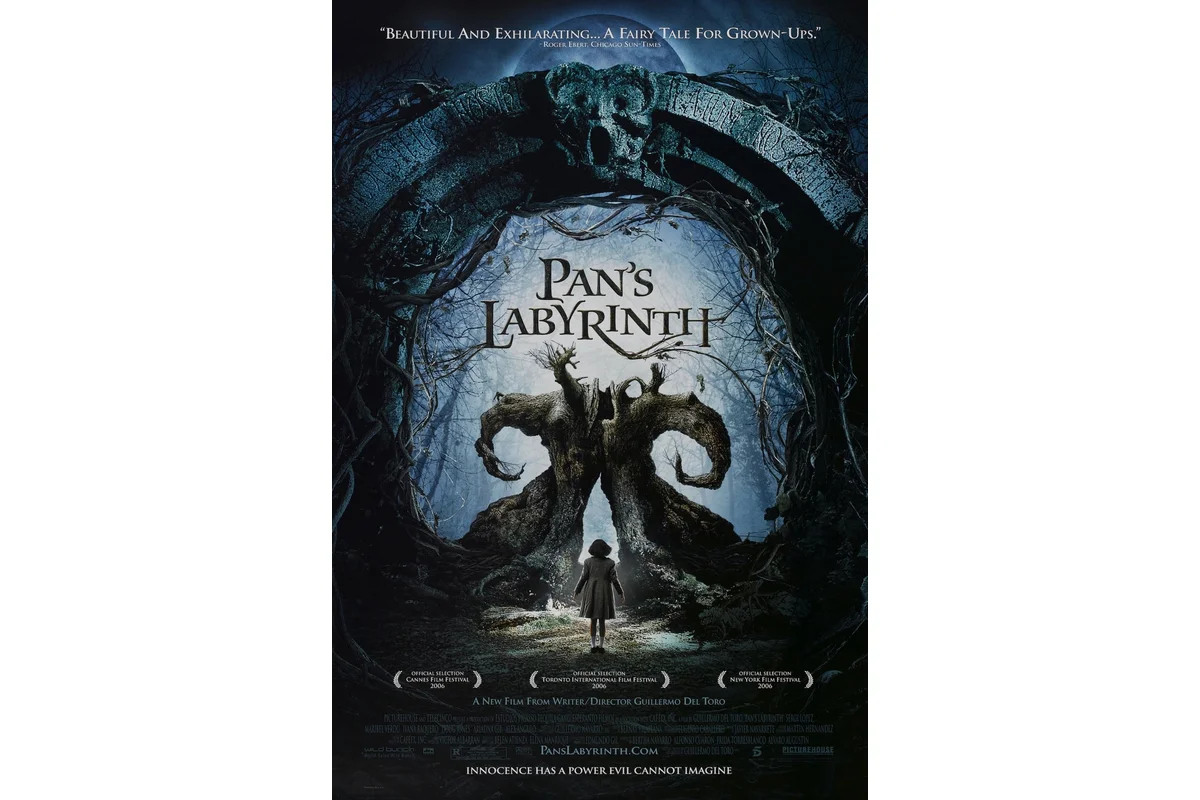
Del Toro emphasized how cinema provides a collective space where audiences can engage deeply with stories and develop empathy and forgiveness through shared experience. He described movies like his Frankenstein, The Shape of Water, and Pan’s Labyrinth as holding “sacramental beauty” when experienced as a community.
If we experience it as a community, all the better, because we have never been so connected and so alone as we are right now.
Guillermo del Toro, Filmmaker
Oscar Isaac on Portraying Victor Frankenstein
Oscar Isaac stars as Baron Victor Frankenstein, a surgeon driven to create life from death in this latest adaptation. In an interview with Teyana Taylor for Variety, Isaac described how deeply the role affected him during and after filming.
He admitted that returning to other roles after playing Victor was difficult because he remained mentally connected to the character’s intense and unrestrained nature. Isaac found Victor’s disregard for moral judgement and passionate pursuit of creation to be both liberating and challenging to embody.
There was something about playing Victor that was very freeing and pleasurable. He is a character that loves pleasure — a bit like Perfidia. There was something about playing somebody so unhinged, with no regard for moral judgement, that it’s this vitalist energy that was really exciting and pleasurable to play. Leaving that was really hard.
Oscar Isaac, Actor
Why This Film Matters Today
Guillermo del Toro’s Frankenstein adaptation stands as more than a retelling of a classic tale; it is a deeply personal exploration of humanity’s origins and inner struggles. Both del Toro’s perspective and Isaac’s interpretation highlight the story’s resonance with themes of empathy, identity, and connection in an increasingly isolated world.
By encouraging communal viewing and emphasizing the story’s spiritual underpinnings, the film invites audiences to reflect on shared human experiences and the complexities of creation and destruction. Its release on Netflix, paired with del Toro’s call for theatrical screenings, suggests a desire to balance modern accessibility with traditional film rituals, aiming to enrich the cultural conversation around this enduring myth.
