
The focus of Oscar predictions usually centers on best picture, acting, and directing awards, leaving screenplay nominees often overlooked. However, with the current Academy Awards approaching, the original and adapted screenplay categories are gaining prominence, particularly with the strong buzz around Paul Thomas Anderson’s nominations. The anticipation around Paul Thomas Anderson Oscars achievements highlights the possibility of a long-overdue win in the screenplay segment.
Paul Thomas Anderson’s Multiple Nominations Signal a Likely Screenplay Victory
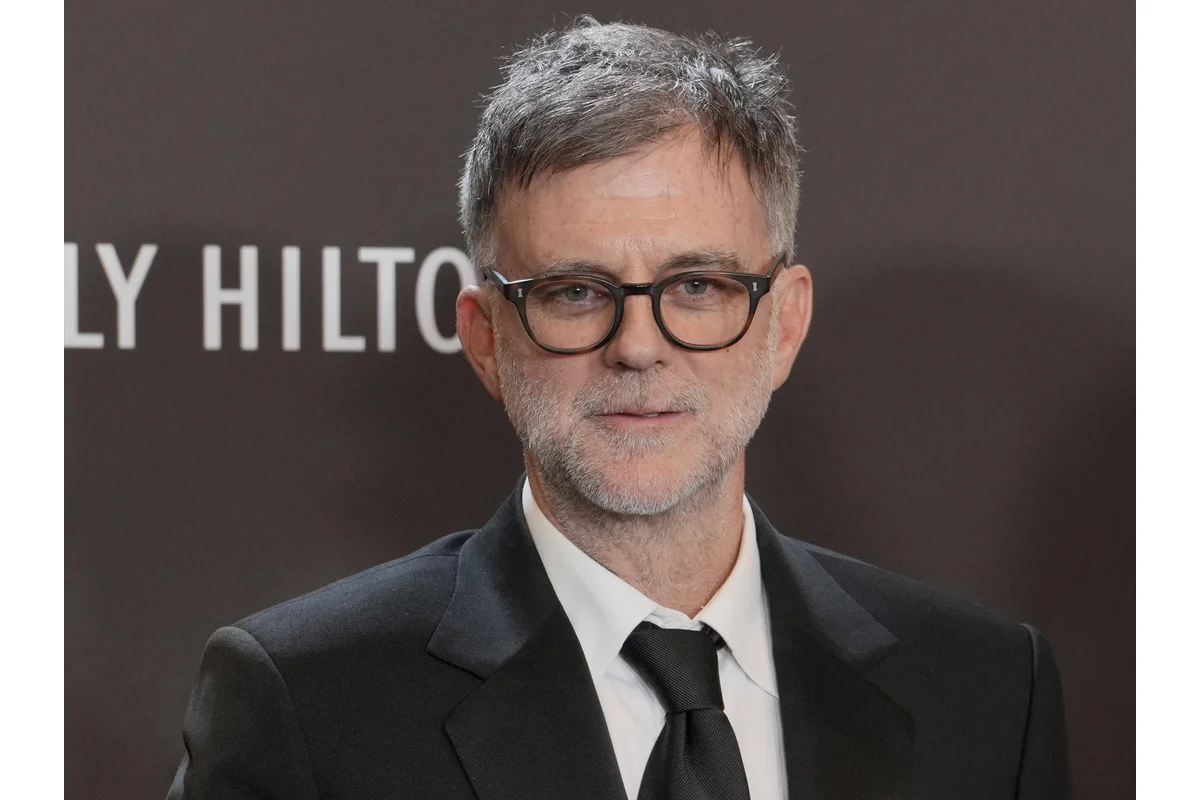
Paul Thomas Anderson, a filmmaker with five previous screenplay nods—including original screenplay nominations for Boogie Nights, Magnolia, and Licorice Pizza, plus adapted screenplay nods for There Will Be Blood and Inherent Vice—has accrued 14 Academy Award nominations overall without a win. This year, he is nominated for three Oscars. Given this extensive track record and the Academy’s tendency to award filmmakers “when it’s their time,” Anderson is expected to secure a statuette, most likely in the adapted screenplay category if he does not win best picture or directing.
Ryan Coogler’s Sinners Gains Momentum As Strong Contender
The film Sinners, written and directed by Ryan Coogler, stands out with a record-breaking 16 nominations. This momentum places Coogler in an excellent position to win the original screenplay award. The success of Sinners indicates its strong appeal among voters and its potential to secure him a significant Oscar victory at the Dolby Theatre ceremony.
Underdogs in the Screenplay Race and Their Historical Context
While acting categories often produce unexpected winners in the form of newcomers or veteran performers making comebacks, screenplay awards have also had their share of surprising victors. For instance, Billy Bob Thornton’s win for adapted screenplay with Sling Blade in 1997 and Mark Boal’s original screenplay win for The Hurt Locker in 2010 showcase how less favored nominees can prevail over stronger contenders like Quentin Tarantino or popular animated films. This year, the most unexpected contender in the writing categories is Jafar Panahi’s Persian-language film It Was Just an Accident, nominated for original screenplay and international film awards, though its chances remain slim based on historical trends.
Challenges for Foreign-Language Films in Screenplay Awards
Foreign-language films rarely win in screenplay categories, with only six original screenplay victories in history and just two since 1967—Pedro Almodóvar’s Talk to Her (2003) and Bong Joon-ho and Han Jin-won’s Parasite (2020). Given this track record, Jafar Panahi’s It Was Just an Accident is unlikely to win, and the Norwegian–Swedish film Sentimental Value, though more visible with nine nominations including for notable actors Stellan Skarsgård and Elle Fanning, faces similar obstacles despite its partial English dialogue enhancing its profile.
Advantages for Writer-Directors in the Oscar Screenplay Competitions
In Oscar screenplay races, writers who also direct their films often have an edge, akin to how political candidates benefit from running mates who broaden appeal. Historic three-time winners like Billy Wilder and Woody Allen, both celebrated writer-directors, exemplify this advantage. Recently, Sean Baker secured the original screenplay Oscar for Anora, a film he also directed. This year, the majority of screenplay nominees are also credited filmmakers, with only two exceptions—Blue Moon (Robert Kaplow) and Bugonia (Will Tracy)—which have limited momentum, virtually ensuring that directors will take home screenplay awards in both the original and adapted categories.
