
Ralph Fiennes is widely recognized as one of the finest British actors of the past five decades, known for his versatility and deep commitment to his craft. His breakthrough came over 30 years ago when he earned an Academy Award nomination for portraying the brutal Nazi officer Amon Göth in Steven Spielberg’s acclaimed film Schindler’s List, marking only his third movie after years on stage with the Royal Shakespeare Company.
This nomination set the stage for a remarkable film career that has spanned numerous genres and memorable roles, including a standout performance in last year’s zombie film 28 Years Later, directed by Danny Boyle. Fiennes has worked within a broad range of settings, from Wes Anderson’s distinctive style in The Grand Budapest Hotel to the high-stakes world of James Bond, as well as sci-fi in Sunshine, another Boyle collaboration, and the quieter historical drama The Dig.
Challenges with American Romantic Comedy
Despite this wide-ranging success, Fiennes has acknowledged a personal difficulty when it comes to American romantic comedies. Known for his unmistakably British background—he descends from a 16th-century baron and carries the full name Twistleton-Wykeham-Fiennes—he found himself somewhat out of place in the genre. This cultural dissonance was especially evident when he agreed to star opposite Jennifer Lopez in the 2002 film Maid in Manhattan, a typical early-2000s romantic comedy centered around mistaken identity and class differences.
Reflecting on that period, Fiennes told People magazine,
“It was rom-com writing. It was light. But I think I felt a little bit at sea sometimes. I wondered ‘Now, who is this Republican senator?’ My antennae for things American – I think – got better since. But then I think I was kind of sometimes a little bit lost.”
Ralph Fiennes, Actor
The atmosphere of Maid in Manhattan was very much shaped by its upper-class New York setting, complete with clichéd dialogue and era-specific musical choices, such as Vanessa Carlton’s ubiquitous “plinkety-plinkety” style song. Fiennes’ distinctive British accent stood out, and his appearance—with a sharply styled haircut reminiscent of Ivan Drago from Rocky IV—added to his discomfort. His presence in a film so embedded in American romantic comedy tropes felt misaligned with his usual gravitas and background.
Return to Form and Continued Success
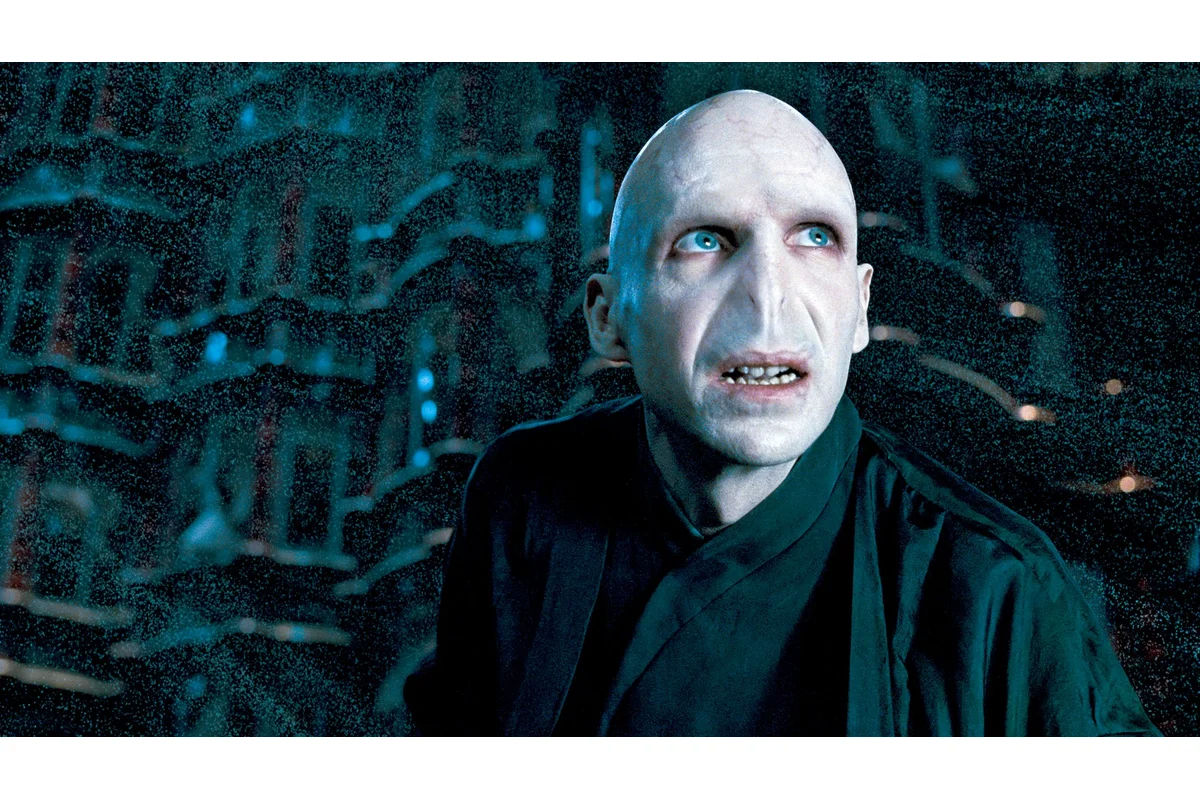
Although the romantic comedy challenge did not derail his career, Fiennes quickly returned to roles more suited to his strengths. After Maid in Manhattan, he engaged in critically acclaimed projects like The Constant Gardner and secured a defining role as Voldemort in the Harry Potter film series during the 2000s. These performances reinforced his reputation as a serious and multifaceted actor.
Looking ahead, Ralph Fiennes is set to appear later this year in Sunrise on the Reaping, the newest installment of The Hunger Games franchise. He will take on the role of the authoritarian President Snow, succeeding the late Donald Sutherland in this pivotal character. This casting signals another high-profile opportunity for Fiennes to demonstrate the breadth and depth of his acting career.
The Impact of Cultural and Role Choices on Fiennes’ Career
Ralph Fiennes’ experience with Maid in Manhattan highlights the challenges even accomplished actors face when crossing into unfamiliar genres and cultures. His self-described feeling of being “lost” reveals just how much cultural nuances affect an actor’s comfort and performance style. However, this experience did not impede his trajectory; instead, it underscored his strengths in more complex, dramatic, or genre-spanning roles.
With a career that includes collaborations with renowned directors like Steven Spielberg, Danny Boyle, and Wes Anderson, and iconic characters such as Voldemort, Fiennes remains a compelling figure in contemporary cinema. His upcoming role in The Hunger Games is poised to continue his legacy as an actor capable of navigating diverse characters and stories while staying true to his distinctive presence.
