
Martin Scorsese stands as one of the most influential directors to emerge from the New Hollywood era, with a career that spans decades and continues to shape contemporary filmmakers. His unique blend of artistry and commercial success exemplifies what it means to create cinema that captivates audiences without sacrificing depth, exemplified by films like Taxi Driver and The Wolf of Wall Street. Scorsese’s cinematic influence remains a critical point of reference in the industry today.
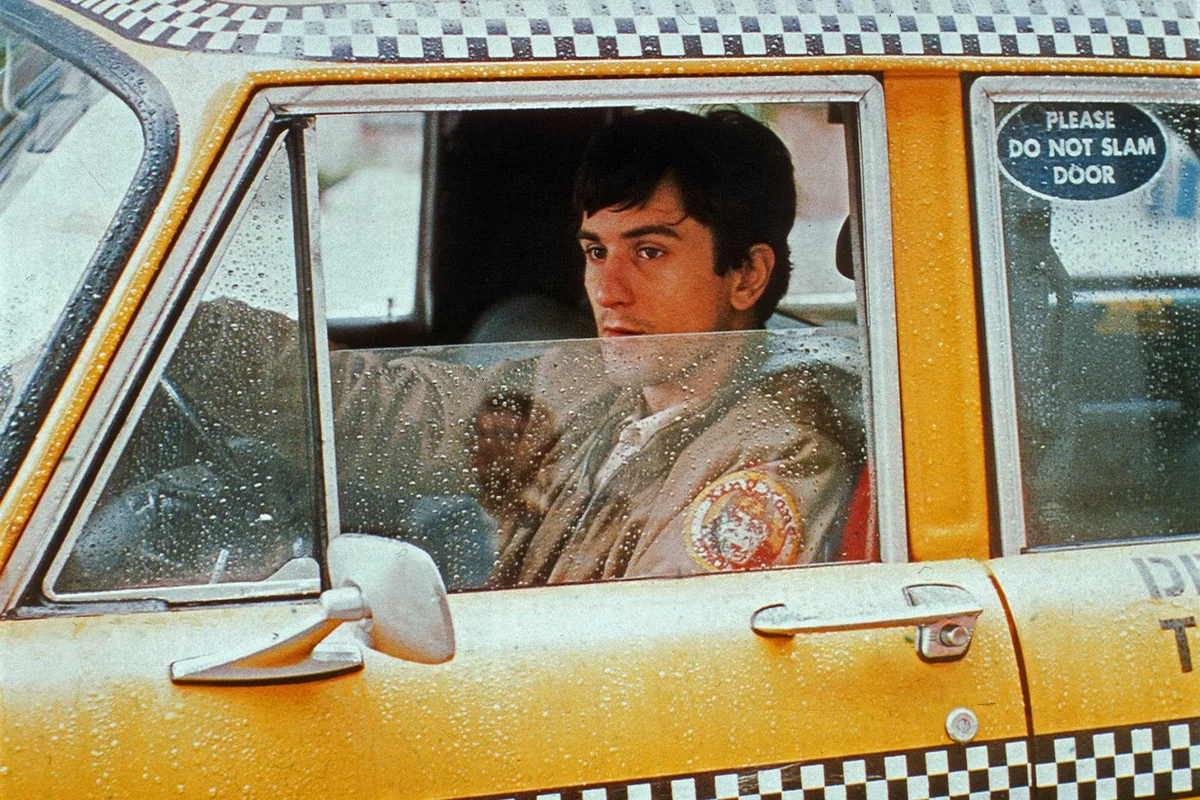
Through vividly crafted scenes, such as the neon-lit, troubled streets explored in Taxi Driver, or the intense, fast-paced world of finance in The Wolf of Wall Street, Scorsese consistently delivers films that are both compelling and visually striking. His approach balances strong narratives with inventive filmmaking techniques, setting a high standard for directors who follow.
The Varied Inspirations Behind Scorsese’s Vision
Scorsese credits a broad range of filmmakers for shaping his style, including Powell and Pressburger’s visual beauty, Roger Corman’s guidance in independent cinema, and the intimate storytelling of Satyajit Ray. However, behind this diverse array of influences, there is one figure Scorsese identifies as the ultimate pioneer of cinema — a filmmaker whose legacy both revolutionized the art form and sparked significant controversy.
The Controversial Legacy of DW Griffith
Martin Scorsese has singled out DW Griffith as
“the one who started it all,”
acknowledging Griffith’s pivotal role in establishing many cinematic techniques still used today. Griffith’s groundbreaking innovations helped shape the foundation of feature-length narrative films by introducing methods such as tracking shots, synchronized orchestral scores, and close-ups. These advances were crucial steps in cinema’s evolution during its infancy.
However, Griffith’s most famous work, The Birth of a Nation, remains highly contentious due to its openly racist content and celebration of white supremacy. The film’s release reportedly contributed to a resurgence in Ku Klux Klan membership, highlighting the disturbing impact of its problematic themes. Despite this, the film is still recognized for its technical achievements and historical importance in the craft of filmmaking.
Enduring Recognition Among Cinema Legends
Among prominent directors, appreciation for Griffith’s technical contributions persists despite the moral failings of his most infamous film. Alfred Hitchcock praised Griffith’s editing methods, noting to François Truffaut that
“the classical cutting techniques dating back to DW Griffith have stood the test of time and still prevail today,”
even describing Griffith as “the Columbus of the screen.” Similarly, Werner Herzog referred to him as “the Shakespeare of cinema,” underscoring the lasting impact of his artistic innovations.
This complex legacy illustrates how many filmmakers wrestle with acknowledging Griffith’s cinematic breakthroughs while confronting the reprehensible content of his work. The tension between valuing technical progress and rejecting offensive subject matter remains a significant discussion point within film history.
Understanding the Puzzle of Griffith’s Place in Film History
DW Griffith’s role in cinema presents a deeply conflicted case: while his mastery of filmmaking techniques laid a foundation for modern storytelling on screen, the moral implications of his subject matter cannot be overlooked. Filmmakers like Martin Scorsese openly recognize this duality, emphasizing Griffith’s undeniable influence despite the heavy burden of his racist legacy.
As the film industry continues to evolve, grappling with its past will remain essential for understanding both the art form’s development and its cultural responsibilities. Scorsese’s acknowledgment of Griffith reinforces the need for nuanced perspectives when examining cinema’s origins and its ongoing transformation.
