
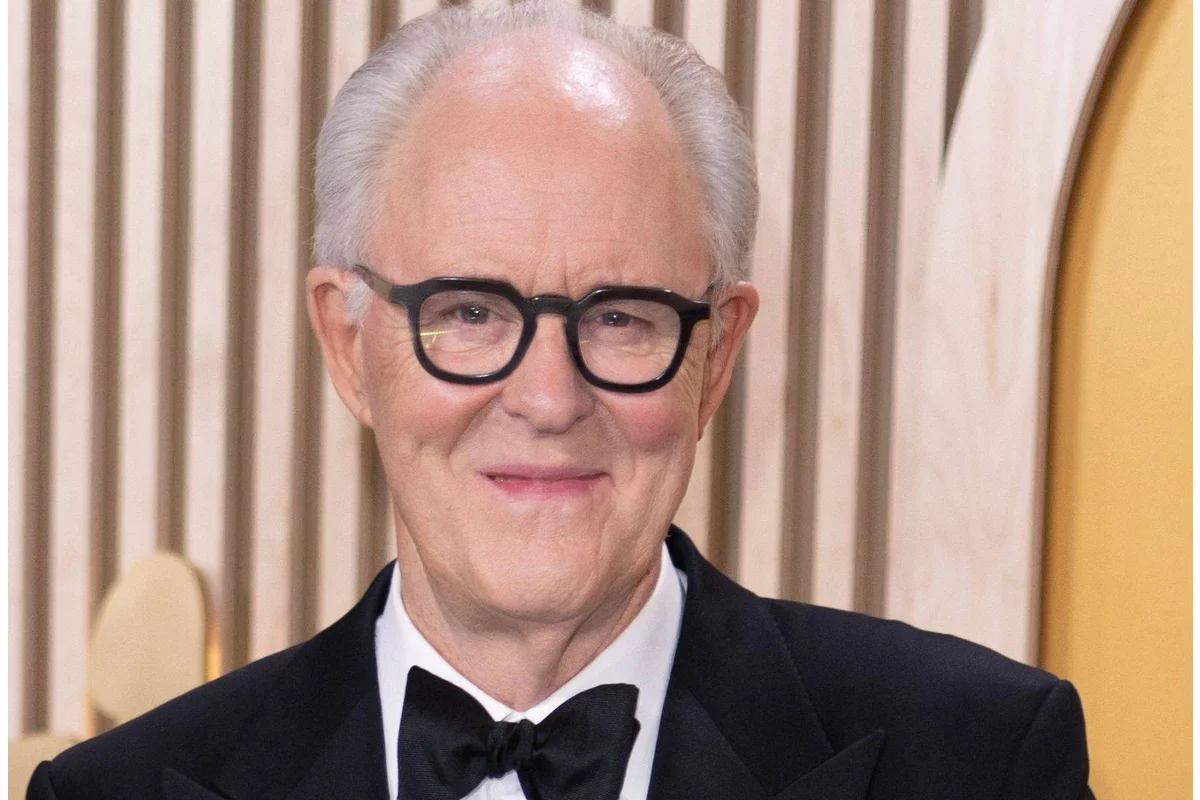
Aud Mason-Hyde, a non-binary actor known for their role in the film Jimpa, has described John Lithgow’s recent casting as Professor Albus Dumbledore in HBO’s new Harry Potter series as “hurtful.” The comments come amid ongoing controversy surrounding the project, which is set to premiere in the UK in 2026, due to the author JK Rowling’s public stance on transgender issues. Mason-Hyde’s concerns highlight tensions around LGBTQ+ representation and Rowling’s involvement in the reboot.
Background on Mason-Hyde’s Role in ‘Jimpa’ and the Film’s Themes
Mason-Hyde stars as Frances, a non-binary teenager who journeys to Amsterdam with their mother Hannah, played by Olivia Colman, to visit their gay grandfather Jim, also known as ‘Jimpa,’ portrayed by John Lithgow. The narrative focuses on Frances’ desire to connect with Amsterdam’s queer community, leading Hannah to reflect on her own past experiences and relationships. This layered family story foregrounds LGBTQ+ identities, adding context to Mason-Hyde’s reaction to Lithgow’s casting in the contentious Harry Potter adaptation.
Mason-Hyde’s Response to Lithgow’s Role Amid Controversy
In an interview with Out magazine, Mason-Hyde candidly shared their mixed feelings about Lithgow’s involvement. They described the casting as “a strange decision” and “disconcerting,” without speculating on Lithgow’s personal motivations. Mason-Hyde reached out directly to Lithgow to express their emotions regarding his choice to join the HBO adaptation, especially given JK Rowling’s history of supporting “gender-critical” campaigns.
“It was definitely a difficult moment,”
said Mason-Hyde, conveying the complexity of their reaction.
“It’s a very difficult thing. As soon as I heard about Harry Potter, for sure, I contacted John and expressed my feelings about it.”
— Aud Mason-Hyde, actor
JK Rowling’s Involvement and the ‘Gender-Critical’ Debate
JK Rowling continues to be a divisive figure due to her public comments and financial support for groups critical of transgender rights. She confirmed last year that she donated to For Women Scotland, a “gender-critical” organization involved in a legal case concerning the 2010 Equality Act’s definition of womanhood. This effort led to a Supreme Court ruling affirming that the law refers to biological sex, sparking widespread criticism from trans advocates.
“That funding is doing a great deal of harm,”
Mason-Hyde emphasized, highlighting their concern over Rowling’s influence on the transgender rights movement.
Despite Rowling holding an executive producer role for the new Harry Potter series, Lithgow recently stated that she is “not really involved” in the production process. However, as the original story’s author, Rowling is expected to financially benefit from the series, intensifying criticism because of her continued support for the ‘gender-critical’ cause.
Lithgow’s Personal Stance and Industry Reactions
Mason-Hyde acknowledged Lithgow’s reputation as a “beautiful human” and an “incredibly talented actor,” though they admitted that the casting decision felt “vaguely hurtful.” They also noted that this feeling does not diminish the positive experiences shared with Lithgow.
“So there’s an element of this that feels vaguely hurtful. It can’t take away from what we had and the time that we spent together.”
— Aud Mason-Hyde, actor
At the International Film Festival Rotterdam earlier this month, Lithgow addressed the controversy, remarking that he found Rowling’s views on gender “inexplicable.” He pointed out the irony given Harry Potter’s central themes of acceptance and inclusivity, which contrast sharply with the author’s recent public statements.
Implications for the Harry Potter Franchise and Community Response
The casting of John Lithgow in the HBO Harry Potter series stirs complicated emotions within the LGBTQ+ community, especially amid ongoing debates about the author’s political stance. Mason-Hyde’s frank critique underscores a broader conversation about representation, allyship, and the impact of creators’ views on their work’s reception. As the series prepares for its 2026 UK release, these discussions are likely to influence audience perspectives and the cultural response to the reboot.
