
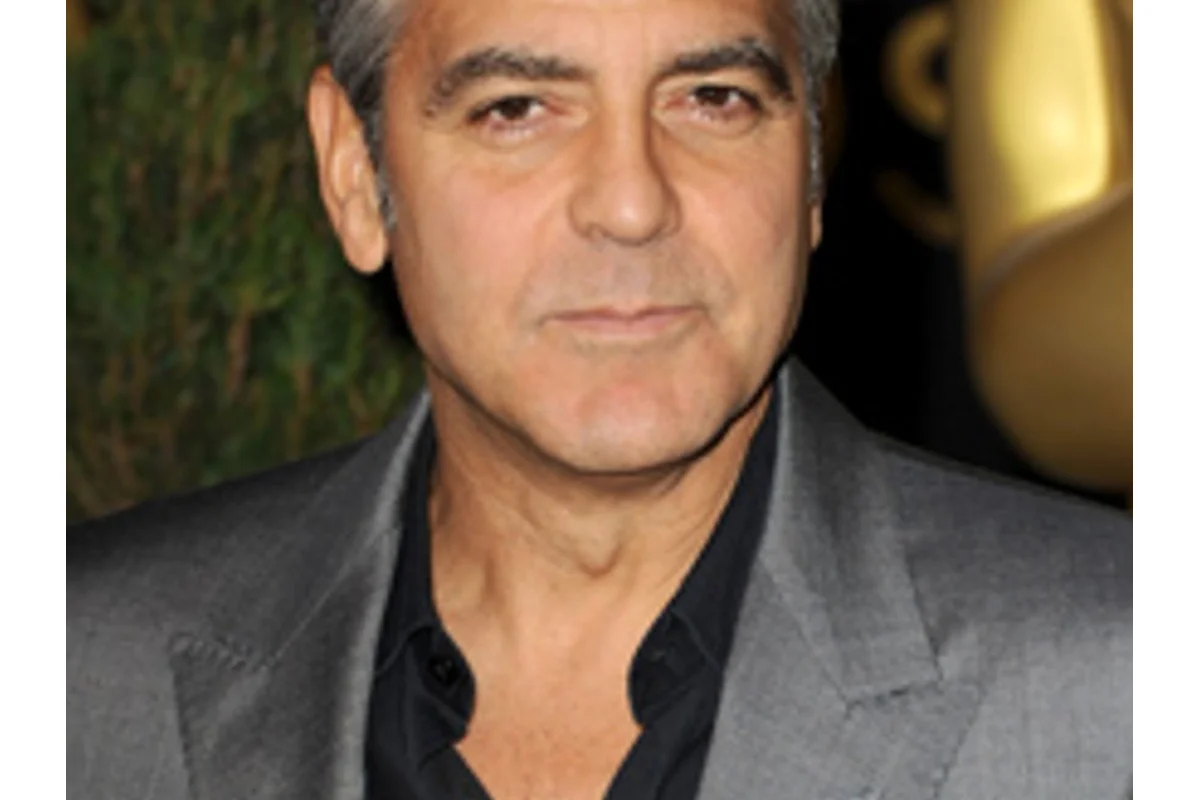
George Clooney, a prominent figure in Hollywood for decades, has revealed his two favourite nuclear thriller films, reflecting his deep appreciation for cinema. Known for his extensive industry experience and wide network, Clooney’s opinions carry notable weight, especially on his favoured films. In a recent discussion, he highlighted two movies tied to the theme of nuclear tension that stand above the rest for him.
The Films Behind Clooney’s Choice
Clooney talked about these films during a conversation with author Cindy Pearlman for her book, You Gotta See This: More Than 100 of Hollywood’s Best Reveal and Discuss Their Favourite Films. Instead of choosing just one film, he opted to name both that are closely connected in theme and origin. His picks – Dr. Strangelove and Fail Safe – both derive from the same Cold War-era source material and offer contrasting perspectives on the nuclear threat.
“It’s a dual pick for me,”
Clooney explained,
“It’s two that go hand-in-hand, because they’re both from the same book. My favourite films are Dr Strangelove and Fail Safe. They’re just brilliant films that say a lot about the world. They talk about issues of nuclear proliferation. They’re also so brilliantly made. [Sidney] Lumet made one and [Stanley] Kubrick made the other. One is hysterically funny, and the other is terrifying. They’re just beautifully made films. Wait, I already said that, but write it down again, please.”
– George Clooney, actor
The Origins and Contrasts of the Films
Both movies centre on the ever-present danger of nuclear conflict during the Cold War. The primary influence is the novel Red Alert by Peter George, also known as Two Hours to Doom in several regions. This story revolves around a rogue US Air Force general who initiates an unauthorized nuclear attack on the Soviet Union. While Stanley Kubrick’s Dr. Strangelove takes a satirical and darkly comedic view of the scenario, the original novel tackles the subject with intense seriousness and drama.
Sidney Lumet’s Fail Safe, released the same year as Kubrick’s film, also depicts a nuclear crisis with strikingly similar plot elements but traces its inspiration to a different novel titled Fail-Safe, by Eugene Burdick and Harvey Wheeler. The near-identical storylines led to legal disputes initiated by Peter George and Kubrick against the authors and producers of Lumet’s film. Although these issues were eventually resolved through an out-of-court settlement, the controversy negatively affected Fail Safe‘s lasting reputation, contributing to its relative obscurity today.
Clooney’s Engagement with the Films’ Legacy
Despite Kubrick’s Dr. Strangelove gaining more widespread acclaim over the years, Clooney appreciates both films equally for their distinct approaches. Demonstrating his dedication to the subject, Clooney once produced a live television remake of Fail Safe. Although the production did not achieve widespread success, it showed Clooney’s determination to keep the story and its themes relevant for modern audiences, emphasizing the ongoing importance of nuclear issues.
Why Clooney’s Preferences Matter
George Clooney’s endorsement of these films highlights the enduring cultural and political relevance of nuclear thrillers in explaining global tensions. Both Dr. Strangelove and Fail Safe explore the dangers of nuclear proliferation and decision-making under extreme pressure, themes that remain pertinent in today’s geopolitical climate. Clooney’s interest also reminds viewers of the power of cinema to engage with complex issues through artful storytelling.
As tensions about nuclear disarmament and global security continue, these movies serve as compelling reminders of the stakes involved. Clooney’s recognition could prompt renewed attention to these classics, encouraging new audiences to reflect on the consequences of nuclear conflict and the importance of vigilance in international relations.
