
In 2009, as David Harbour’s acting career was beginning to gain momentum, he auditioned for a role in the highly anticipated 20th Century Fox X-Men franchise. Specifically, Harbour sought to join the cast of X-Men Origins: Wolverine, a prequel that aimed to explore the backstory of the famed mutant superheroes. Despite his suitability, Harbour was ultimately turned down for the role due to concerns about his weight, marking a significant moment in his journey.
The Blob Role and Harbour’s Audition Experience
Following three successful films in the original X-Men lineup, the studio and director Gavin Hood wanted to introduce more beloved characters from the comics in this new prequel. One such character was Fred Dukes, widely known as The Blob, who is characterized by his large size and nearly impenetrable skin. Hood felt Harbour could effectively portray the imposing villain, even envisioning him in a fat suit to enhance the character’s look.
During his audition, Harbour attempted to lighten the atmosphere with a humorous gesture by lifting his shirt and joking,
“I got your Blob right here!”
The joke, however, did not resonate well with the studio or Hood, setting the tone for what followed.
Weight Concerns Undermined Harbour’s Chances
In a 2017 interview with The Wrap, Harbour revealed that his joke inadvertently damaged his chances of securing the role. Despite believing he was well-suited physically and mentally for the part, he was told by the director and studio representatives that they were worried about his health after seeing his physique during the audition.
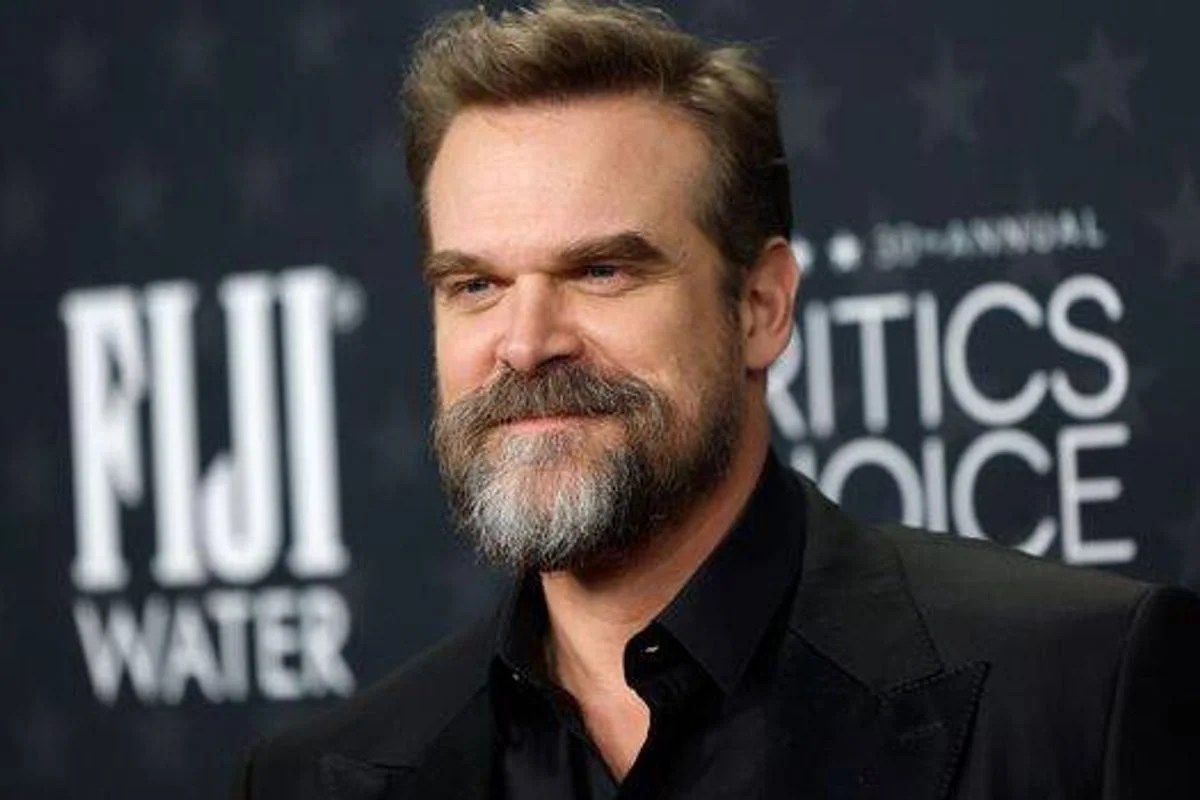
“I just made a stupid joke and then they called me and the director, we met at like a hotel, and he was like, ‘David, look, you’re wonderful, we really think you’re just a great actor, we’re just concerned … we’re really concerned.’ I was like, ‘Why, what’s your concern? I’m good to go. I’m available, let’s do this!’ And they were like, ‘No, it’s just, you lifted up your shirt and we saw the … we’re just a little worried about your health.’ … I was like, ‘Wait a minute, dude … You are telling me I’m too fat to play The Blob? That’s awesome, I have to get the f*** back to New York.’ That’s my audition — so, I didn’t get The Blob.”
— David Harbour, Actor
Harbour found it ironic that he was considered too overweight to play a character whose defining trait was his size and bulk. Despite the character’s less intense combat involvement, Harbour felt confident in his ability to handle the physical demands or to adjust his fitness as needed, especially since the role called for wearing a bulky costume.
After the Rejection: Harbour’s Career Progression
While Kevin Durand ultimately landed the part of The Blob in X-Men Origins: Wolverine, Harbour continued to build his career through various supporting roles. His persistence paid off when he secured the pivotal character of Jim Hopper in the acclaimed Netflix series Stranger Things, which became a defining role and significantly boosted his profile.
Harbour later joined the Marvel Cinematic Universe, portraying Alexei Shostakov, also known as Red Guardian, in films such as Black Widow and the upcoming Thunderbolts. These roles cemented his place within the superhero genre, reflecting a notable turnaround from his earlier setback with 20th Century Fox.
The Broader Impact of Harbour’s X-Men Rejection
The decision by 20th Century Fox to pass on David Harbour because of health concerns highlights ongoing industry considerations about actors’ appearances and well-being. Harbour’s experience demonstrates the challenges actors face when their physical traits come under scrutiny, even for roles that align with their natural characteristics. Despite this obstacle, Harbour’s subsequent success underscores the importance of resilience and adaptability in an unpredictable entertainment landscape.
Moreover, Harbour’s eventual entry into the Marvel Cinematic Universe after missing out on an X-Men role at Fox illustrates how opportunities in superhero franchises have evolved, with different studios offering alternate paths for talent to thrive. Given his trajectory, Harbour’s story may inspire other actors confronting similar industry biases while remaining committed to their craft.
