
Gary Oldman has built a significant part of his career portraying complex antagonists, becoming well known for his skillful depictions of iconic villains. From fictional characters like the ruthless drug lord Norman Stansfield in Léon: The Professional and the grotesque Mason Verger in Hannibal to the violent pimp and gang leader Drexl Spivey in True Romance, Oldman has consistently embraced roles that delve deep into darkness.
In addition to these fictional villains, Oldman has taken on challenging portrayals of real-life figures with morally complicated legacies. His work includes playing Lee Harvey Oswald in JFK and historical leaders such as Winston Churchill and Harry S Truman. Despite the difficulty of these roles, Oldman approaches them with dedication and intensity.
The Demands of Becoming Iconic Villains in Challenging Productions
Oldman’s fearless attitude towards tough roles even extended to taking on Count Dracula in Francis Ford Coppola’s Bram Stoker’s Dracula. Known for relentless directing, Coppola required immense commitment from his cast, which Oldman met head-on. He spent four weeks rehearsing in Napa Valley, a period dubbed “Camp Coppola,” involving long readings and extensive preparation alongside the crew and cast.
Oldman described the physical toll of the production, especially the makeup process, which required many hours daily.
“I never had a rest, I never had a day off. It was a six-month shoot and I worked 150 hours in the old man makeup alone. That’s a lot of glue on your face. But you surrender to it, you have to find a peace with it,”
he recalled.
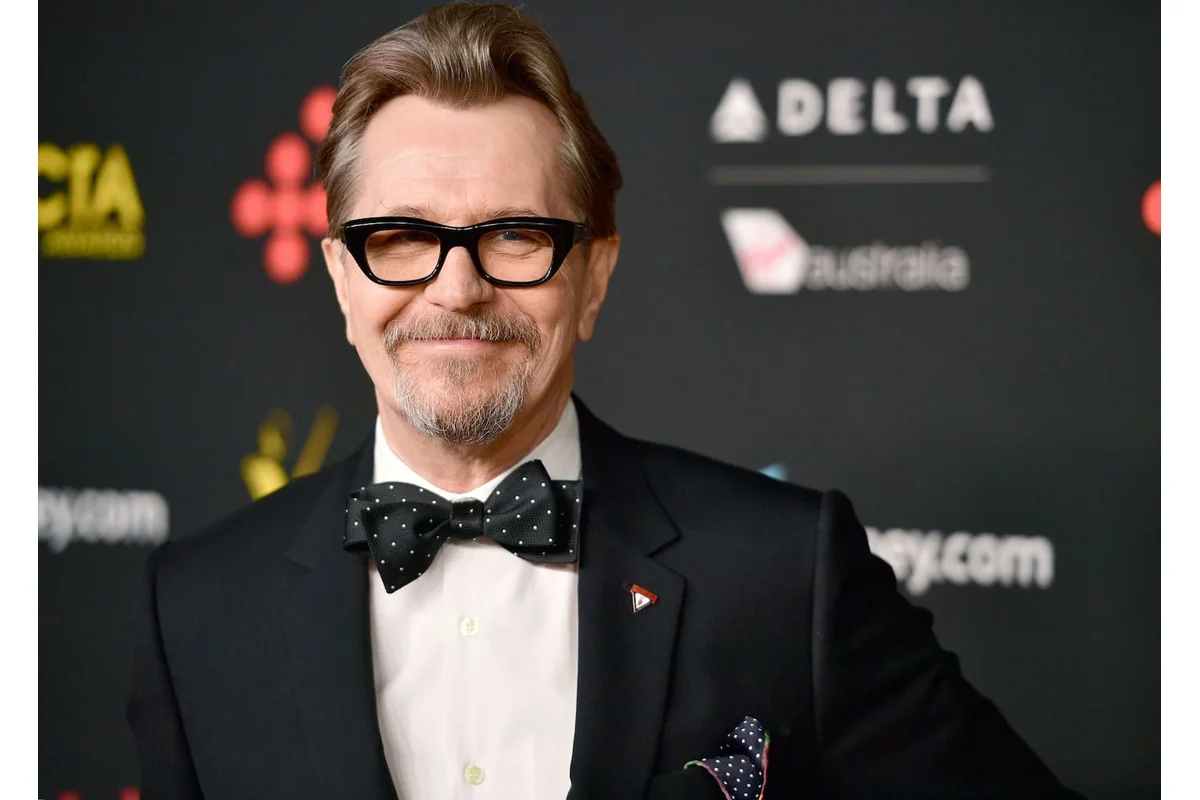
The Role Gary Oldman Declined Due to Its Heavy Burden
Despite his readiness to inhabit dark characters, Oldman has drawn a distinct line regarding certain roles. He revealed he turned down the chance to portray Charles Manson, explaining that it carried “too much karma.” Though he did not disclose the specific project, Oldman’s comments came in 2012, before Quentin Tarantino’s Once Upon a Time in Hollywood, leaving the exact film unknown.
Oldman expressed that the timing for taking on such a role remains sensitive due to the lingering pain for victims’ families and the public. He pointed out his decision was made
“out of respect for the sister that’s still living and Polanski,”
referencing Roman Polanski and Sharon Tate’s family still coping with the trauma.
He further explained the challenge actors face in portraying villains, noting,
“You play a villain, or you play a bad guy, you’ve got to find something that’s likeable.”
Since the Manson murders remain relatively recent tragedies, Oldman decided it was not appropriate to search for redeeming qualities in the cult leader at this stage.
The Complexity Behind Choosing Villainous Roles
Gary Oldman’s career reflects a nuanced relationship with villainous characters, balancing his passion for intense roles with personal and ethical boundaries. His refusal to play Charles Manson highlights the emotional and moral considerations actors must weigh when portraying figures tied to real human suffering. This decision underscores how some stories, despite public fascination, require sensitivity toward those affected.
As an actor known for immersing himself fully into challenging parts, Oldman’s choices reveal his awareness of the impact his portrayals can have. His legacy of iconic villains continues to grow, but with a clear respect for the real-world consequences certain roles carry, which may shape his future role selection in the years ahead.
