
Richard Linklater’s new film, Nouvelle Vague, dramatizes the three weeks Jean-Luc Godard spent shooting his breakthrough movie Breathless, offering a close look at the French New Wave’s origins. Released in 2025, this biopic centers on Godard’s revolutionary creative process and the challenges he faced during production, drawing attention to Richard Linklater Nouvelle Vague’s unique depiction of filmmaking history. The cast includes Guillaume Marbeck as Godard, Zoey Deutch as Jean Seberg, and Aubry Dullin portraying Jean-Paul Belmondo, recreating a pivotal moment in cinema within a vibrant, intimate setting.
Godard’s experimental approach to Breathless disrupted traditional filmmaking norms and sparked both admiration and resistance. Nouvelle Vague captures these tensions, highlighting the friction between Godard’s visionary direction and the practical difficulties encountered on set. Seberg’s Hollywood stardom contrasted with Godard’s radical style, framing the story as a delicate balance between innovation and pushback, and allowing Linklater to honor Godard’s groundbreaking legacy while portraying the human side of the production challenges.
How Breathless Changed Filmmaking Forever
The making of Breathless is widely studied for its bold techniques, including impromptu dialogue, disrupted continuity, and innovative editing that introduced jump cuts. Godard’s willingness to break cinematic conventions helped democratize movie production, making it more accessible and authentic. Nouvelle Vague brings this history into vivid focus, blending factual recreation with lively storytelling that reflects Godard’s experimental spirit.
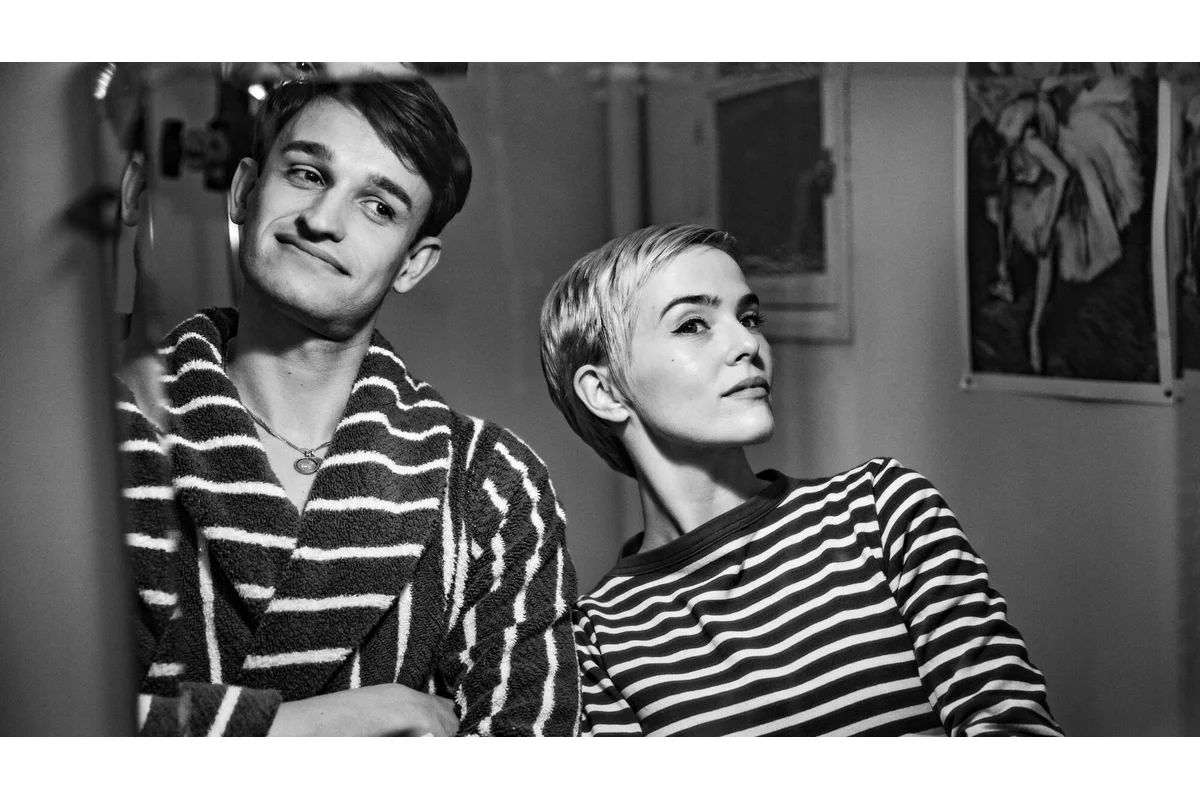
By showing moments such as scenes being filmed without scripted dialogue and stylistic movie editing choices that prioritized the flow of creativity, Linklater’s film underscores the importance of Breathless’ impact. The movie doesn’t just retell the facts but embodies the playful rebellion and artistic freedom that defined the French New Wave movement and inspired generations of filmmakers.
Nouvelle Vague’s Visual Style Echoes French New Wave Aesthetics
The filmmakers behind Nouvelle Vague meticulously reconstructed Paris in 1959, using a greyscale palette and shooting style reminiscent of early New Wave films to create an authentic atmosphere. The use of jump cuts and a lighthearted musical score enhances the experience, making the audience feel immersed in the same creative space where Godard worked.
Richard Linklater portrays Godard as a disillusioned yet inspired idealist, mirroring the character of Michel from Breathless—restless, uncertain, and searching for meaning beyond traditional cinema. This alignment between subject and style allows Nouvelle Vague to serve both as a tribute and a revival of Godard’s restless artistic energy, capturing the immediacy and spontaneity that revolutionized filmmaking.
The Film as a Tribute to Independent Cinema’s Spirit
In an era where streaming services and changing distribution models threaten traditional movie-going experiences, Nouvelle Vague stands as a celebration of independent filmmaking’s resilience and creativity. The film emphasizes the value of low-budget, passion-driven projects and the freedom they allow artists, echoing the original French New Wave’s ethos.
Technology has recently lowered many barriers for independent creators, enabling innovative storytelling despite challenges facing cinemas worldwide. By revisiting Godard’s unconventional methods, Nouvelle Vague champions cinema as an art form shaped by experimentation and personal vision, inspiring both contemporary and future filmmakers to embrace independence and risk-taking.
“Every review of Nouvelle Vague raves about how the movie is a love letter to Godard, to the French New Wave, to Breathless, and to independent cinema as an artistic pursuit.” – Unattributed
How Nouvelle Vague Reflects Richard Linklater’s Own Filmmaking Philosophy
Jean-Luc Godard’s approach—picking up a camera and letting the story unfold naturally—has inspired few American directors as much as Richard Linklater. Known for his relaxed, improvisational style in films like Slacker, Linklater carries forward the traditions of the French New Wave, demonstrating a shared commitment to authenticity over rigid planning.
Nouvelle Vague fits comfortably into Linklater’s filmography as an extension of his easygoing, contemplative storytelling. The influence of French New Wave ideals is also seen in the American mumblecore movement, with its focus on natural dialogue and intimate narratives. Linklater’s interview revealing that Slacker inspired Nouvelle Vague highlights how deeply he resonates with the creative freedoms championed by Godard, Truffaut, and Chabrol.
By channeling the spirit of these revolutionaries, Linklater crafts a film that does more than reenact historical events; he invites viewers into the artistic process that redefined cinema. This further solidifies Richard Linklater Nouvelle Vague as both a tribute to and a rejuvenation of independent, innovative filmmaking.
The Broader Impact: Reviving a Film Movement for Modern Audiences
Nouvelle Vague’s release is significant for cinephiles and industry observers alike, as it rekindles interest in the French New Wave’s radical ideas amid today’s shifting film landscape. By vividly portraying Godard’s methods and struggles, the film bridges past and present, highlighting the enduring relevance of disrupting mainstream storytelling.
Its arrival may inspire a new wave of filmmakers to experiment boldly and reject heavily commercialized practices. For audiences, it offers both education and entertainment, deepening appreciation for the art behind cinema’s evolution. As Richard Linklater continues to explore such historical narratives, his work stands to shape ongoing conversations about creativity, independence, and the future of film.
