
John Lithgow, the veteran American actor aged 80, has been cast as Albus Dumbledore in HBO’s upcoming adaptation of the Harry Potter franchise. This decision has drawn painful criticism from his co-star Aud Mason-Hyde, a non-binary actor, who described the casting as “hurtful and difficult.” The controversy arises amid ongoing tensions surrounding the Harry Potter series and its creator JK Rowling, whose public stance against transgender rights has caused significant discord within fan and activist communities.
The Legacy of JK Rowling’s Controversies and Its Impact on the Franchise
The Harry Potter franchise, made up of seven books and eight films, has recently been the focus of heated debate due to JK Rowling’s outspoken opposition to transgender rights. Since 2019, Rowling has been labeled a trans-exclusionary radical feminist (TERF), leading to polarized reactions among fans and actors involved in the series. Despite this, the new HBO series continues with a fresh cast, including John Lithgow as the beloved headmaster Dumbledore, a role previously portrayed by Michael Gambon in the 2007 film adaptation of
“Harry Potter and the Order of the Phoenix.”
Aud Mason-Hyde’s Mixed Feelings About Working with Lithgow
Aud Mason-Hyde, who stars in the 2025 film Jimpa alongside Lithgow and Olivia Colman, plays Frances, the non-binary child of Colman’s character Hannah. Despite praising Lithgow’s personal kindness and professionalism, Mason-Hyde expressed deep disappointment over his choice to accept the Harry Potter role.
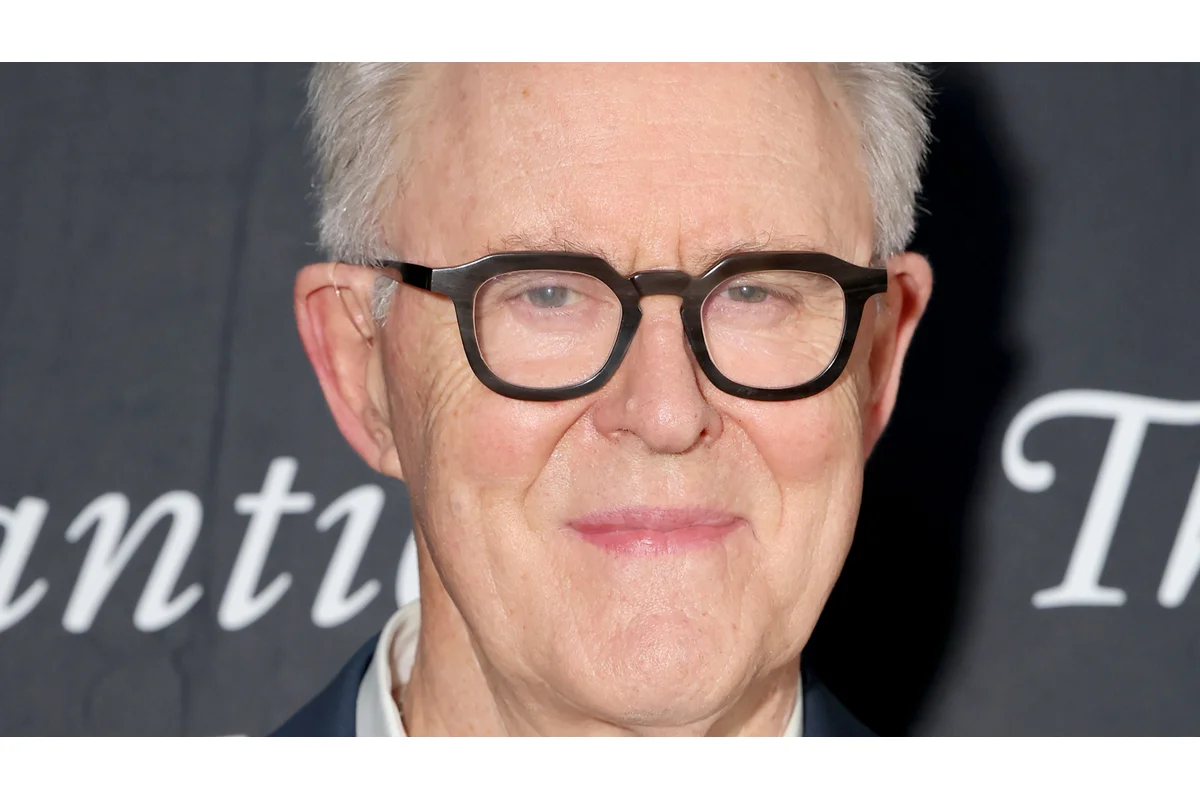
“He is such an incredibly talented actor, but also such a beautiful human to make work with, and that was my experience with John. I never felt invalidated or questioned or doubted in my identity or in my transness by him,”
Aud said.
“I consistently felt that he was a very loving and a very guiding co-star.”
They acknowledged, however, the emotional difficulty posed by Lithgow’s decision to join a project linked to Rowling. Mason-Hyde described their reaction as “vaguely hurtful” and “disconcerting,” noting the timing of the decision came after the completion and premiere of Jimpa.
Lithgow Addresses Backlash at Rotterdam Film Festival
John Lithgow has openly discussed the backlash against his involvement in the Harry Potter series during a recent appearance at the Rotterdam Film Festival. He revealed that a friend with a transgender child sent him an open letter urging him to “walk away from Harry Potter,” which made him feel uncomfortable.
“I take the subject extremely seriously,”
Lithgow said, emphasizing the importance he places on the material he chooses to work with.
“JK Rowling has created this amazing canon for young people, young kids’ literature that has jumped into the consciousness of society.”
He expressed surprise at Rowling’s controversial views, pointing out that she is not actively involved in the new production. Lithgow praised the team behind the HBO series, describing them as “remarkable” and expressing a desire to collaborate with them.
Responding to criticism aimed at him, Lithgow stated,
“It upsets me when people are vehemently opposed to me having anything to do with this. But in Potter canon you see no trace of transphobic sensitivity. She has written this meditation of kindness and acceptance. And Dumbledore is a beautiful role.”
He added,
“It was a hard decision. It made me uncomfortable and unhappy that people insisted I walk away from the job. I chose not to do that.”
Supporting Cast and Characters Announced for the HBO Adaptation
The new Harry Potter TV project assembled an impressive cast alongside Lithgow. Paapa Essiedu has been cast as Severus Snape, Janet McTeer takes on Minerva McGonagall, and Nick Frost appears as Rubeus Hagrid. These announcements came in April of last year, heightening anticipation for the series, which aims to explore the wizarding world in greater depth over eight episodes.
The Intersection of Personal Identities Within the Cast
Aud Mason-Hyde’s role as Frances marks a significant moment for non-binary representation within the project, complementing Olivia Colman’s portrayal of Hannah. The film Jimpa, in which both Mason-Hyde and Lithgow starred, premiered in January 2025 at the Sundance Film Festival. In that film, Lithgow portrays Jim, known as Jimpa, Hannah’s father, which situates the actors together in a narrative exploring complex family dynamics and identity.
Olivia Colman has also publicly discussed her feelings toward gender identity amid the Jimpa promotion. She revealed in interviews that she has long felt a sense of non-binariness despite identifying as a woman, sharing a personal perspective on gender fluidity. Colman stated,
“Throughout my whole life, I’ve had arguments with people where I’ve always sort of felt nonbinary”
and described feeling at home being “a gay man” within her personal life and relationship with her husband Ed Sinclair, to whom she has been married for 25 years.
Colman emphasized a fluid approach to strength and vulnerability within relationships, saying,
“I think with my husband and I, we take turns to be the strong one, or the one who needs a little bit of gentleness. I believe everyone has all of it in them.”
She added,
“I don’t feel like it’s binary.”
Historical Context and Family Background of Olivia Colman
Olivia Colman and Ed Sinclair met during the 1990s while rehearsing for a Cambridge Footlights production of Alan Ayckbourn’s Table Manners. At the time, Colman was pursuing studies in teaching at Homerton College, Cambridge. Together, they raise three children: Finn, 20; Hall, 18; and a ten-year-old daughter. This personal history adds nuance to Colman’s reflections on gender and identity discussed during the Jimpa promotional events.
Broader Cultural and Franchise Implications of the Controversy
The uproar over John Lithgow’s casting amid the backdrop of JK Rowling’s polarizing reputation highlights ongoing tensions within the fandom and the entertainment industry about transgender rights and representation. This intensifies scrutiny on how legacy franchises evolve and how they reconcile harmful public perceptions with commitments to diversity and inclusion.
Lithgow’s role as Dumbledore could influence how future storytelling in the wizarding universe addresses such matters, especially with the production team’s stated separation from Rowling’s personal views. As the new HBO series unfolds, audiences and critics alike will watch closely to see if the adaptation can balance reverence for the source material while sensitively embracing contemporary social values.
The response from Mason-Hyde embodies the conflicted emotions many non-binary and transgender individuals feel toward the franchise’s legacy, reflecting a broader cultural reckoning in progress. The interplay of personal identities among the star cast recalls the complexity of navigating public and private realities in the spotlight, making this an ongoing and evolving conversation.
