
Margot Robbie brings a fierce intensity to her portrayal of Cathy in the latest adaptation of Emily Brontë’s Wuthering Heights, which opened on February 13. Set on the wild moors of West Yorkshire, this version reimagines the story with an unflinching, sexually charged perspective, delivering a vivid experience that diverges sharply from previous film versions and the original novel’s somber tone. Emerald Fennell’s direction embraces boldness, targeting a modern audience open to a more vibrant and provocative interpretation of the classic narrative.
An International Legacy of Adaptations
Wuthering Heights has inspired over twenty screen versions worldwide, ranging from American and British retellings to adaptations set in France, Japan, Mexico, India, and the Philippines. Esteemed filmmakers including Jacques Rivette, Luis Buñuel, and Kijū Yoshida have each offered distinctive cinematic visions of the story, underscoring its global resonance and adaptability. Despite this rich history, Fennell’s adaptation stands apart due to its lush, colorful style and unapologetic sensuality.
From MTV Teen Dramas to Expansive Gothic Romance
Previous attempts to modernize Wuthering Heights have not universally succeeded, with some productions relocating the story to sunny Californian settings, reducing it to teen romance clichés—as seen in titles like Wuthering High. Emerald Fennell’s version, however, deliberately veers away from such simplifications. Filled with opulent designs, anachronistic flourishes, and an intense emotional palette, the film feels like Wuthering Heights reimagined for the Bridgerton generation, blending passion, tragedy, and dark humor in equal measure.
Complex Characters Entwined in Desire and Turmoil
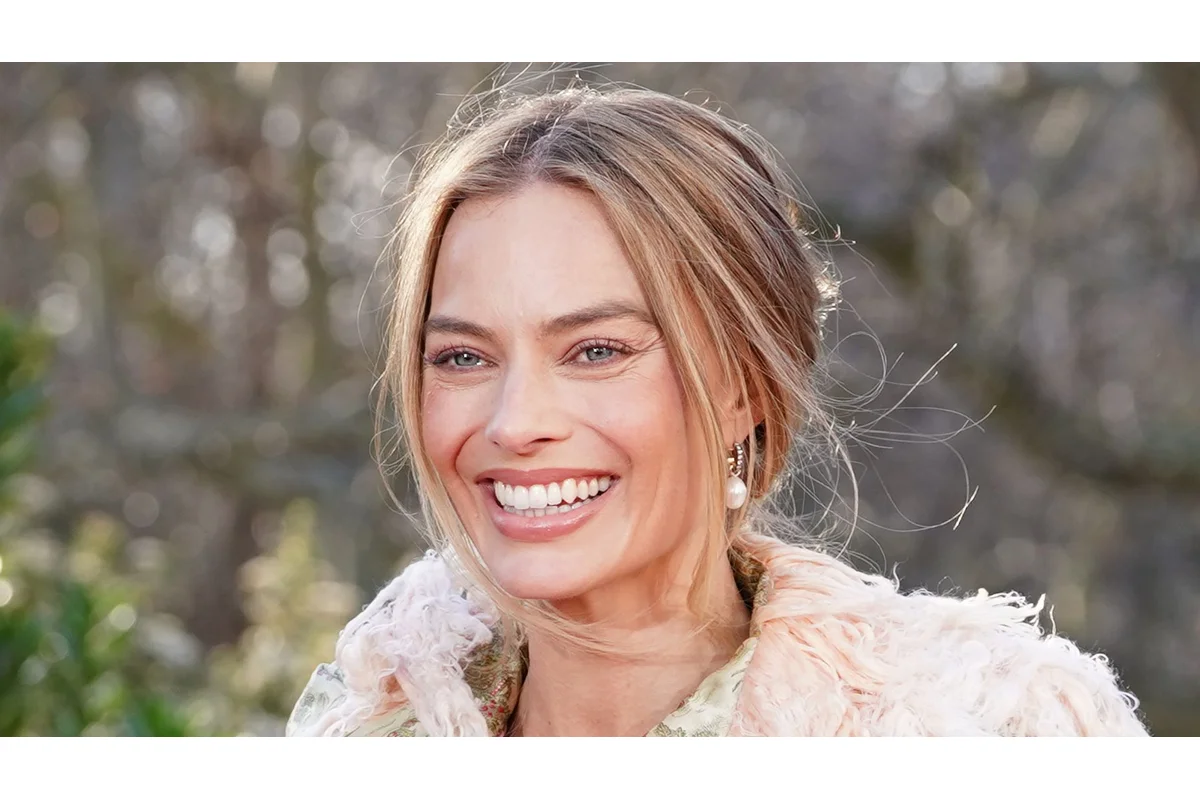
Margot Robbie stars opposite Jacob Elordi, who plays Heathcliff, the foundling taken in by Cathy’s father, Mr. Earnshaw (Martin Clunes). Raised as quasi-siblings, Cathy and Heathcliff’s relationship quickly moves beyond childhood innocence into a tumultuous and intoxicating love, fraught with power struggles and deep emotional conflict. Robbie captures Cathy’s blend of recklessness and vulnerability, revealing a character driven by both lust and emotional needs, while Elordi portrays Heathcliff’s ferocity balanced by underlying heartbreak.
Racial and Class Themes in a Modern Lens
The film touches lightly on the racial and class tensions that pervade Brontë’s novel, though it largely sidesteps the novel’s darker implications of colonialism and marginalization associated with Heathcliff’s ambiguous ethnicity. Historically depicted as a “dark-skinned gipsy” and other terms signaling otherness, Heathcliff’s roots suggest a complex colonial backdrop tied to Liverpool’s history as a slave-trading port. Fennell opts for a subtler approach, focusing more on the romance’s emotional intensity than the raw social critiques found in earlier versions, such as Andrea Arnold’s 2011 adaptation, which cast Black actors to emphasize those dynamics.
Plot Development: Desire, Betrayal, and Societal Pressures
The story traces Cathy’s shifting allegiances between Heathcliff and Edgar Linton (Shazad Latif), the affluent neighbor who embodies security and kindness. After an injury confines Cathy to the Linton household, Edgar’s courtship deepens, challenging Cathy’s loyalty to Heathcliff, who senses her growing distance. The resulting love triangle unfurls with escalating tension and heartbreak, driven by personal ambition, class considerations, and unrelenting passion.
Visually Striking Cinematography and Design
The film’s aesthetic is rooted in its period setting but infused with dazzling contemporary elements that heighten its emotional impact. Linus Sandgren’s cinematography bathes scenes in rich colors, while Suzie Davis’s production design and Jacqueline Durran’s bold, fantasy-inspired costumes contribute layers of visual intensity. The soundtrack, scored by Anthony Willis and complemented by original songs from Charli XCX, amplifies the romantic and tragic undertones, reinforcing the film’s heightened atmosphere.
Portrayal of Toxicity and Abuse in Love
Fennell does not shy away from the darker aspects of the central relationship. Both Cathy and Heathcliff engage in destructive behavior, with Heathcliff’s abusive treatment of Isabella (Alison Oliver) foregrounded in a harrowing scene evoking the dynamic of Dangerous Liaisons. Despite this, the film emphasizes the grand, passionate dimension of the love story rather than delving deeply into psychological torment. This approach prioritizes emotional spectacle, which may divide audiences depending on their attachment to the novel’s complex themes.
The Stellar Cast Elevates the Turbulent Narrative
Margot Robbie, also a producer on the film, navigates Cathy’s complex emotional terrain with a blend of fiery impulsiveness and poignant remorse. Jacob Elordi emerges as a standout, portraying Heathcliff with raw magnetism that captures his brutal nature and anguished heart. Supporting actors Martin Clunes, Shazad Latif, and Alison Oliver deliver nuanced performances that enrich the dynamic cast. Hong Chau, as Nelly, provides quietly compelling moments, using subtlety to reflect the ambiguous loyalties and class tensions that underpin much of the drama.
Emerald Fennell’s Confident Direction Targets Contemporary Viewers
Emerald Fennell, who wrote and directed the film, crafted this version of Wuthering Heights with a clear vision aimed at engaging today’s audiences seeking a mix of intensity, romance, and visual splendor. The film’s unapologetic embrace of sensuality, tragic love, and stylistic boldness ensures it stands out amidst numerous adaptations. Offering a fresh, vigorous take on a well-trodden story, this Wuthering Heights blends timeless themes with a modern sensibility that could redefine how a new generation experiences Emily Brontë’s most famous work.
