
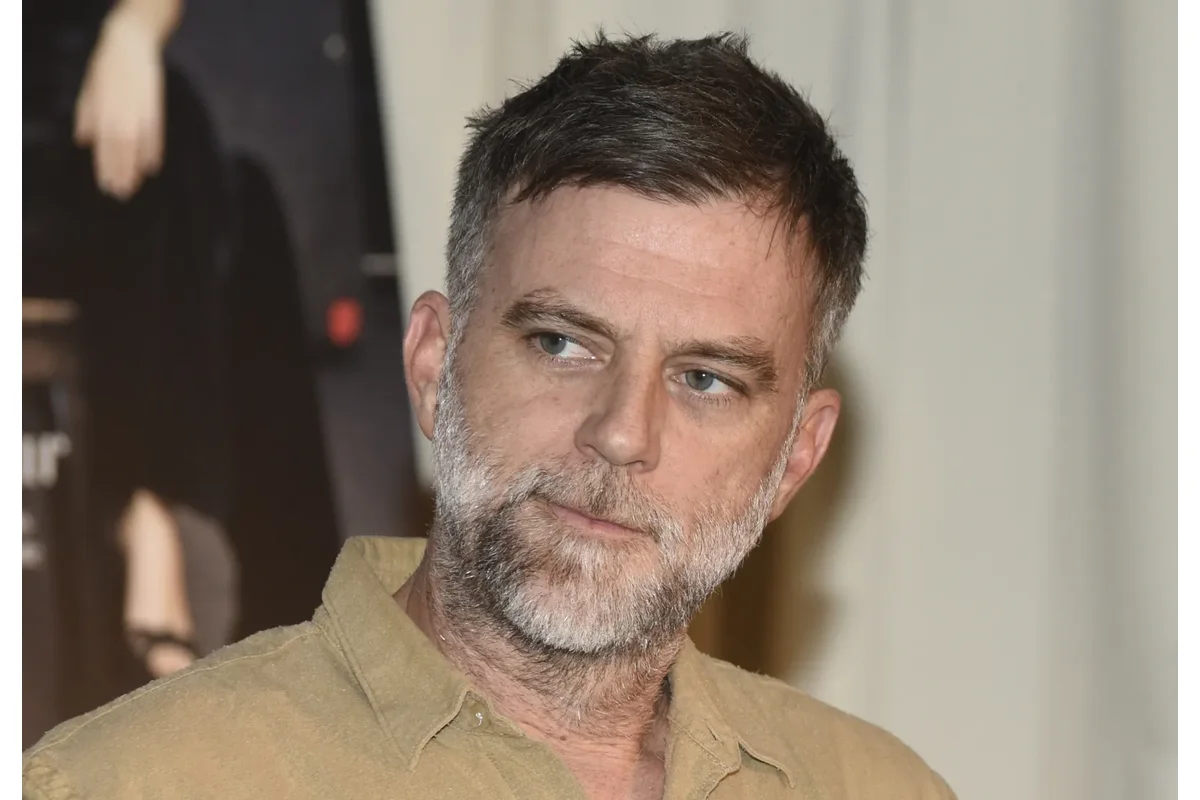
Filmmaker Paul Thomas Anderson has formally requested the removal of music from his 2017 film Phantom Thread from the Amazon MGM Studios documentary Melania. The documentary, which explores Melania Trump’s role during President Donald Trump’s anticipated second inauguration in 2025, has sparked controversy partly due to its soundtrack choices.
The issue arose because a piece from Phantom Thread’s score was used without proper consultation. According to a joint statement by Anderson and the film’s composer, Jonny Greenwood, Universal neglected to inform Greenwood about the third-party use of the music, violating his agreement.
“It has come to our attention that a piece of music from Phantom Thread has been used in the Melania documentary. While Jonny Greenwood does not own the copyright in the score, Universal failed to consult Jonny on this third-party use which is a breach of his composer agreement. As a result, Jonny and Paul Thomas Anderson have asked for it to be removed from the documentary.” – Paul Thomas Anderson and Jonny Greenwood
Background of the Music Rights Dispute
Phantom Thread, a drama focusing on the life of couture dressmaker Reynolds Woodcock, played by Daniel Day-Lewis, features a score by Jonny Greenwood. As a longtime collaborator with Anderson, Greenwood has established a reputation for crafting compelling soundtracks, with Phantom Thread marking their fourth joint project. Despite Greenwood’s significant contributions, he does not hold the copyright to the film’s music, which lies with Universal. The failure to notify Greenwood about the utilization of his composition in the Melania documentary constitutes a breach of their agreement, prompting Anderson’s and Greenwood’s request for removal.
Melania’s documentary soundtrack also includes music from renowned artists such as Aretha Franklin, Boney M., Tears for Fears, The Rolling Stones, Michael Jackson, Elvis Presley, and James Brown. This extensive licensing underscores the complexity involved in managing music rights for the film, heightening the importance of adhering to proper procedures. The documentary, which premiered on January 30, has faced heavy criticism from media reviewers despite Melania Trump’s positive view of the project.
Writing for The Guardian, critic Xan Brooks condemned the film as a
“gilded trash remake of Jonathan Glazer’s The Zone of Interest,”
describing the experience as
“two hours of pure, endless hell.”
Whether Amazon will comply with Anderson and Greenwood’s removal demand remains to be seen, as does the potential for additional legal challenges from other parties involved.
Jonny Greenwood’s Role as a Key Collaborator
Jonny Greenwood, initially recognized as a core member of the rock band Radiohead, has transitioned into one of Hollywood’s most sought-after composers. His partnership with Paul Thomas Anderson has spanned several critically acclaimed films, including There Will Be Blood (2007), The Master (2012), and Inherent Vice (2014), alongside Phantom Thread. Outside of Anderson’s projects, Greenwood has worked with filmmakers such as Lynne Ramsay, Jane Campion, and Pablo Larraín, further cementing his reputation in the industry.
Coming up next, Greenwood could earn his first Oscar nomination for Best Original Score for his work on 2025’s One Battle After Another, continuing the artistic streak that began with Phantom Thread’s haunting compositions. His competitors in this awards season include Max Richter for Hamnet, Jerskin Fendrix for Bugonia, Alexandre Desplat for Frankenstein, and Ludwig Göransson for Sinners.
Phantom Thread: Cast and Characters
Phantom Thread stars:
- Daniel Day-Lewis as Reynolds Woodcock, the meticulous and celebrated dress designer.
- Vicky Krieps as Alma Elson, Woodcock’s enigmatic muse and love interest.
- Lesley Manville as Cyril Woodcock, a key figure in Reynolds’s professional life.
- Camilla Rutherford as Johanna, part of the supporting cast surrounding Woodcock.
The interplay among these characters drives the film’s tension and emotional depth, which is partly underscored by Greenwood’s evocative score, emphasizing the significance of the music’s role both within the movie and in the dispute over its usage.
