
Michael Bay, renowned action film director, has initiated a $1.5 million lawsuit against the Cadillac Formula 1 team, shortly after the team’s unveiling at the Super Bowl. The legal action, submitted to the Los Angeles Superior Court of California, accuses Cadillac F1 team leader Dan Towriss of appropriating Bay‘s creative work without compensation for the team’s debut advertisement aired during the widely viewed game.
This development centers on the contentious relationship between Bay, a freelance contract worker, and Cadillac F1, highlighting the risks involved when formal agreements are not firmly established beforehand. Bay’s claim asserts that the automaker exploited his concepts and production efforts without fulfilling payment obligations.
Timeline and Circumstances Leading to the Dispute
According to Bay’s account, he engaged in a video call with Towriss where various advertisement concepts were discussed, after which Bay was informed he had been hired to direct the project. Bay alleges that Towriss encouraged the start of production, saying,
“OK, let’s get to work,”
followed by
“I will let everyone know.”
Operating under the assumption that contracts would soon be finalized, Bay’s team began preparing the campaign.
However, on December 6, Cadillac informed Bay’s group that the company planned to proceed with a different team for the commercial. Bay contends that this “different direction” was essentially the same concept executed more cheaply. This sudden reversal left Bay feeling wronged after investing significant time and resources into the project.
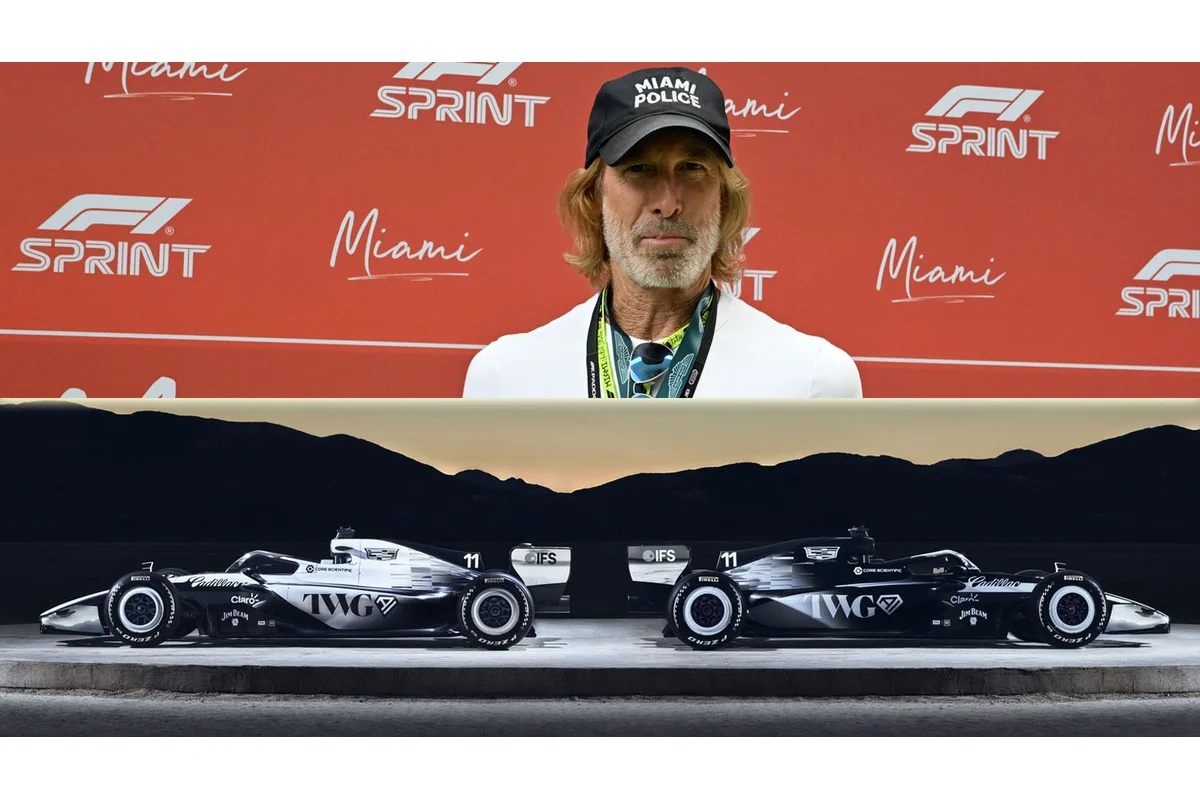
Cadillac’s Response to the Allegations
Cadillac F1 representatives have expressed confidence in resolving the dispute, stating that the creative concept for the Super Bowl advertisement was finalized prior to discussions with Bay. A spokesperson told The Athletic,
“Michael Bay is a cinematic genius and we talked with him about directing our Super Bowl ad. But after two meetings, it became clear he couldn’t meet our timeline, and there ultimately wasn’t a path forward.”
The spokesperson added,
“It’s unclear why he’s bringing this claim, since the concept and creative were already developed and we were only exploring him as a director. It’s also unusual to raise this now, given the ad hasn’t even been released. We’re confident this will be resolved appropriately. Even so, we still admire Michael Bay’s creative brilliance and would welcome the opportunity to work together in the future.”
In a media briefing, Towriss expressed disappointment at Bay’s legal action, stating,
“disappointed that he [Bay] chose to do that.”
He continued,
“Certainly, all the creative was done well in advance of ever speaking with him. We were wanting to talk to him about a role as director, not taking creative ideas from him.”
Details of Project Budget and Production Challenges
The lawsuit asserts that responsibility for Bay’s removal lies with the production studio hired to create the commercial, Translation. With a constrained budget of $3 million and a tight schedule, Bay’s team began organizing production plans, scouting locations, and drafting a preliminary version of the ad. This mock-up incorporated elements reminiscent of Bay’s previous work with General Motors and was presented on December 5, just one day before the termination notice.
The compressed timeline and limited funding reportedly complicated the collaboration, creating tension over expectations versus financial constraints, which may have fueled the eventual breakdown in their working relationship.
Attempts at Resolution and Ongoing Legal Battle
Following the December 6 dismissal, Michael Bay has spent the subsequent two months aiming to resolve the conflict outside court but was met with no resolution. The legal filing articulates a belief that Cadillac and Dan Towriss desired the high-profile production style Bay is known for but without meeting his customary compensation standards.
Bay’s lawsuit seeks payment for his fees as both director and producer, reimbursement for unpaid work, and additional punitive damages. The complaint includes allegations of breach of verbal contract, breach of implied contract, provision of goods and services, and fraud. These claims reflect a serious rift amid what should have been a prestigious partnership for an emerging Formula 1 team.
The Broader Implications for Cadillac’s F1 Debut
This conflict casts a shadow over Cadillac’s entry into Formula 1, as the team faces its second major controversy prior to the 2026 race season kickoff. Struggling to build positive momentum, Cadillac’s legal troubles may affect the brand’s reputation and partnerships as it seeks to establish itself in the global racing arena.
With the lawsuit now public, observers will be watching closely how Cadillac manages this setback and whether a resolution with Michael Bay might still be possible. The case sheds light on the complexities of creative collaborations under tight deadlines and the necessity for clear contractual agreements, especially involving high-profile individuals and organizations.
