
Michael Keaton’s portrayal in Game 6 offers a compelling early glimpse of what would later define his acclaimed 2014 film Birdman, connecting through intense themes of professional pressure and personal struggle. Released in 2005, Game 6 centers on Keaton’s character during a critical moment before a Broadway premiere, intertwining the anxiety of an impending review with the tension of a World Series game, set against the backdrop of New York City’s theatrical world.
A Glimpse into Nicky Rogan’s Turmoil
In Game 6, Keaton embodies Nicky Rogan, a successful yet cynical playwright who faces a pivotal night—the opening of his new play. Though those around him confidently expect his latest work to cement his status among the top playwrights, Nicky’s life outside the theater is fracturing. His relationship with his soon-to-be ex-wife Lillian, portrayed by Catherine O’Hara, is strained by bitterness and exhaustion, while his connection with his daughter Laurel, played by Ari Graynor, remains tense and distant.
Beyond these family struggles, Nicky grapples with mounting professional anxiety, largely fueled by his close friend Elliot’s warnings. Elliot, played by Griffin Dunne, lives haunted by a career-damaging review from notorious theater critic Steven Schwimmer, a role taken by Robert Downey Jr. This looming threat weighs heavily on Nicky, heightening his fears that his own play might suffer a similar fate, especially as his lead actor, Peter Redmond (Harris Yulin), battles a debilitating brain parasite causing him to forget lines during rehearsals.
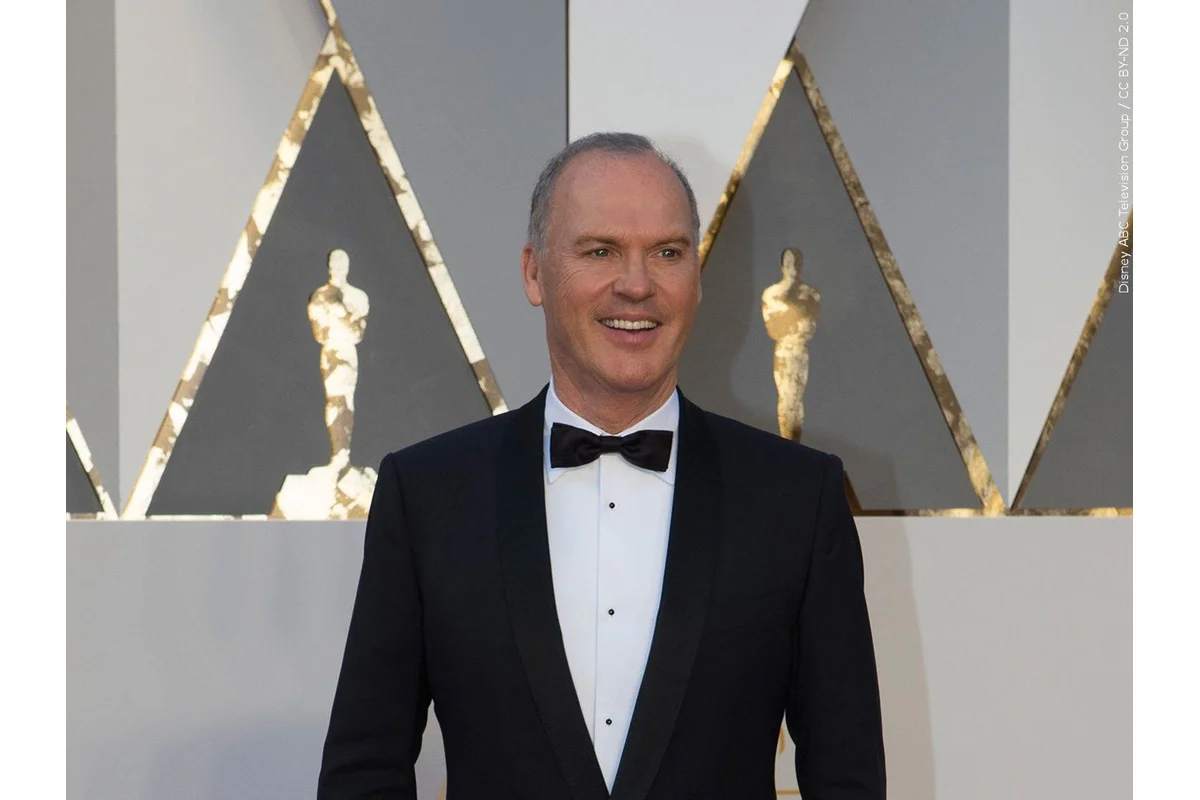
Amidst this chaos, Nicky’s fixation on the Boston Red Sox’s Game 6 of the World Series reflects his internal state. The Red Sox, defined by their repeated near-misses and last-minute failures, symbolize the precarious balance of success and collapse that Nicky feels in his own life. Despite professional accomplishments, he views his career and legacy through the lens of constant threat and disappointment.
Choosing to skip his own play’s premiere to watch the game, Nicky hopes to find a moment of clarity. However, this distraction fuels darker thoughts, including a morbid consideration of silencing the destructive critic Schwimmer, illustrating the pressure that criticism and public opinion exert on his mental health.
Comparing Game 6 with Birdman’s Psychological Depth
Though often linked by their shared exploration of theatrical pressures and identity crises, Game 6 and Birdman approach these themes from distinct perspectives. Birdman dramatizes Riggan Thomson’s unraveling mental state as he fights for artistic relevance, blending surreal elements with dark humor. In contrast, Game 6 presents a more grounded, dramatic narrative centered on a man who has achieved success but lives in dread of losing it all.
The characters echo each other in their fears and struggles but diverge in style and substance. While Birdman immerses viewers in a fever dream of psychological turmoil, Game 6’s tone remains restrained, emphasizing realism and emotional tension. In Game 6, Nicky Rogan embodies the anxieties of maintaining legacy in the face of external pressures, much like the Boston Red Sox’s pattern of near-success and last-minute failure defines his outlook.
Birdman’s plot revolves around the protagonist’s attempt to reinvent himself onstage with a Raymond Carver adaptation, illustrating the fragility of identity amid public scrutiny and personal decay. Conversely, Game 6 tells the story of a man who may retire soon yet fears his meaningful connections and reputation are slipping away. Both narratives delve deeply into the fear of becoming irrelevant, but their contrasting executions reveal Michael Keaton’s versatility in portraying complex, conflicted men under siege.
Why Game 6 Matters in Understanding Michael Keaton’s Career
Game 6 stands as an essential, overlooked precursor to Keaton’s later achievements, providing insight into his evolving portrayal of psychological fragility and artistic struggle. Streaming for free on platforms like Tubi, it invites viewers to witness Keaton’s layered performance in a film that, while less stylistically flashy than Birdman, resonates with similar emotional intensity.
Watching Game 6 before Birdman offers a surprising and enriching perspective on Keaton’s career trajectory. The two films together chart a progression from subtle, restrained drama towards a boldly experimental and self-referential work. This pairing highlights Keaton’s ability to navigate themes of anxiety, legacy, and personal crisis within the demanding arena of theater and fame.
Ultimately, Game 6 is more than a simple footnote in Keaton’s filmography; it is a vital piece that illuminates the actor’s ongoing engagement with narratives about the precariousness of success and identity. Its focus on the tension between public reception and private despair foreshadows the height of Keaton’s later, more celebrated performances. As such, Game 6 deserves recognition not only for its intrinsic storytelling but also for its role in shaping the complex character study that Birdman would perfect nearly a decade later.
