
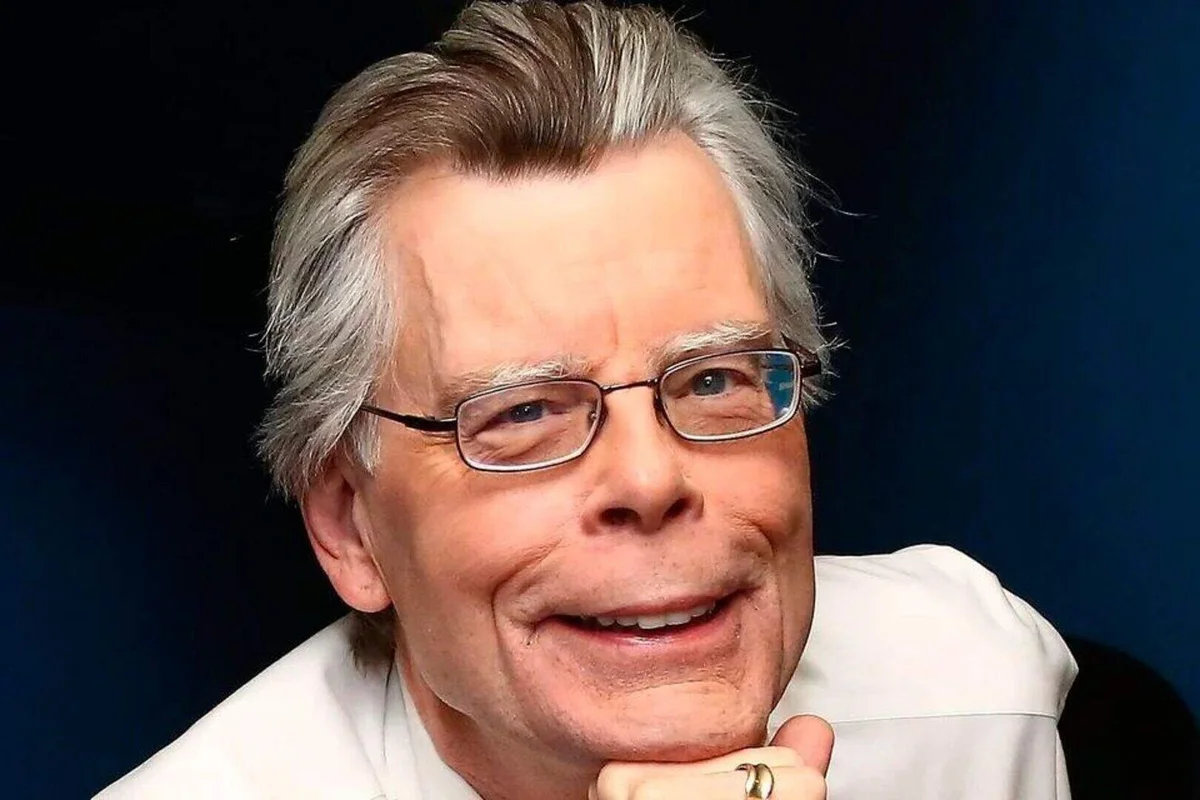
Stephen King, one of the most celebrated and prolific authors in modern literature, has revealed a surprising choice for his personal favorite among his many works. Despite a vast collection of renowned novels like It and The Shining, King identifies Lisey’s Story as his top pick, a choice that contrasts with popular opinion and reflects a deeply personal connection. This insight shines a light on the author’s creative priorities and emotional investments across his decades-long career.
The Unique Nature of Stephen King’s Preferred Novel
Choosing a favorite work of art among creators is notoriously difficult, often compared to selecting a favorite child. While many artists avoid the question, some, like Alfred Hitchcock, have shared unexpected favorites from their own portfolios. King’s admission aligns with this trend by spotlighting a less commonly discussed title, Lisey’s Story, rather than his widely acclaimed hits such as The Stand or the Dark Tower series. The novel, which King adapted into a 2021 miniseries starring Julianne Moore, reveals layers of intimacy and reflection not typically encountered in his horror-dominated reputation.
Exploring the Complex Plot of Lisey’s Story
The storyline of Lisey’s Story defies straightforward description and presents a puzzle of personal emotions and supernatural elements. The protagonist, Lisey Landon, navigates the aftermath of her husband Scott Landon’s death, facing fragmented memories and uncovering secret writings that lead her into a mysterious otherworldly dimension. Scott was a prolific writer, and through his notes and workspaces, Lisey embarks on a journey orchestrated by her late husband, blending grief with discovery.
The narrative’s structure is deliberately disjointed, weaving sentimental themes with moments of confusion and reflective insight. The novel confronts mortality and legacy with a boldness that is unusual even for King, emphasizing internal emotional landscapes rather than straightforward horror.
Personal Reasons Behind King’s Strong Attachment to This Novel
King’s passion for Lisey’s Story is rooted in his own life experiences and emotional realities, particularly his confrontation with illness. After suffering pneumonia and during his recovery, King witnessed his wife, Tabitha King—also an accomplished author—cleaning and organizing his workspace. This act made him contemplate what it would look like if someone tidied up after his death, inspiring the core idea behind the novel.
Though the book is not a direct autobiography, it serves as a subtle, fictionalized exploration of King’s thoughts on mortality, grief, and the legacy an author leaves behind. It also reflects a complex relationship with his wife, intertwining fiction with real emotional truths. King’s effort to keep the story fictional while embedding these intimate themes contributes to the novel’s layered and often cryptic tone.
Critical Reception and Audience Discontent with the Novel and Its TV Adaptation
Despite King’s fondness for the novel, many readers and critics struggled with its execution. Lisey’s Story drew criticism for its length, cumbersome narrative, and unusual stylistic choices, such as invented words meant to illustrate the unique bond between Lisey and Scott. Terms like smucking and babyluv appeared repeatedly, and instead of enhancing the story, they irritated many readers.
The novel’s sprawling and often chaotic plot compounded the frustration, lacking the focused momentum found in King’s other major works like It or The Stand. The miniseries adaptation, which King himself scripted, mirrored these issues rather than resolving them, retaining the novel’s complex, sometimes bewildering narrative style.
This creative choice has been characterized as an example of a work born more from an author’s personal need to express and grapple with private matters than from a desire to satisfy or engage a wider audience. The question remains whether such deeply personal projects should be exposed to public critique or remain private explorations.
“so obsessed with whether he could, he didn’t stop to think about whether he should”
— Commentary on Lisey’s Story
The Impact of the Cast on the Adaptation
The 2021 miniseries adaptation of Lisey’s Story featured prominent actors Julianne Moore as Lisey Landon and Clive Owen as Scott Landon. Their performances brought life to King’s narrative, yet even strong acting could not entirely overcome the uneven storytelling and narrative complexity that challenged viewers’ engagement with the series.
Understanding the Significance of Stephen King’s Choice
Stephen King identifying Lisey’s Story as his favorite invites readers and fans to reconsider how they engage with his work. This choice underlines that an artist’s personal connection to their creation can be quite different from public reception or critical acclaim. For King, the novel represents a vulnerable, intimate expression of themes like love, loss, and legacy, crafted during a health crisis that influenced his sense of mortality.
The discord between King’s enthusiasm and the broader audience’s frustrations emphasizes the tension between creative freedom and consumer expectations. It also reveals how deeply personal narratives risk alienating readers unfamiliar with the artist’s internal world. As King continues to write and adapt, these dynamics will likely shape how upcoming projects are received and interpreted.
