
During the recent Super Bowl event, Bad Bunny made history by breaking numerous halftime show records, drawing widespread attention and acclaim. Simu Liu, meanwhile, stirred up a strong reaction with his passionate criticism of Erika Kirk’s rival halftime performance, fueling a heated debate across social media platforms. The Simu Liu Super Bowl rant became a trending topic as fans and commentators discussed the contrast between the two halftime presentations.
Bad Bunny’s Record-Breaking Super Bowl Performance
Bad Bunny’s halftime show became one of the most-watched and celebrated in Super Bowl history, surpassing expectations with its energy and cultural impact. The performance highlighted his rise as a global music icon, appealing to a broad audience with a blend of vibrant visuals and catchy music. This breakthrough solidified Bad Bunny’s place among the elite performers who have graced the Super Bowl stage, setting new benchmarks for audience engagement and digital viewership.
Simu Liu’s Fiery Response to Competing Halftime Show
Simu Liu’s impassioned reaction to Erika Kirk’s rival halftime performance sparked an intense dialogue among football fans and entertainment watchers. His viral comments criticized the quality and audience size of the opposing show, emphasizing the stark difference in impact between the two acts. The actor’s candid remarks underscored the competitive nature of Super Bowl halftime performances and highlighted fan loyalty while generating a lively discourse on entertainment preferences.
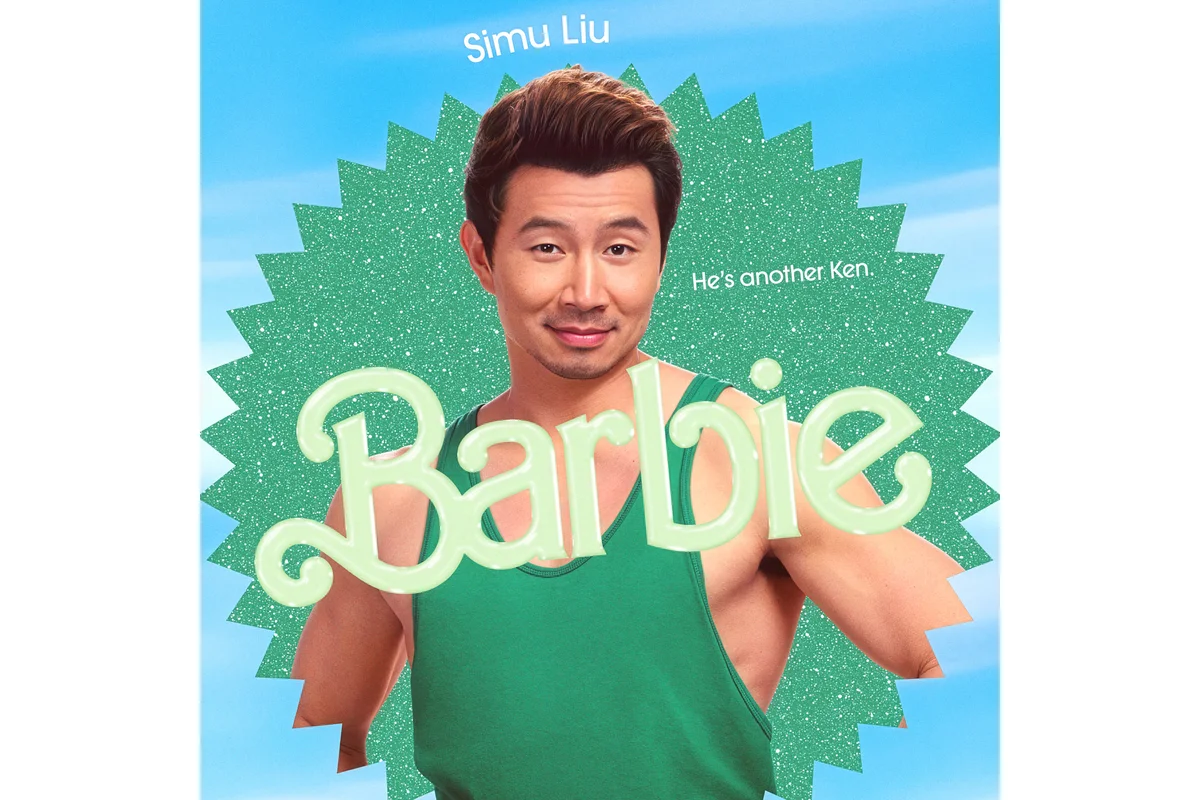
“A crowd of seven people” – Simu Liu’s phrase became a meme that encapsulated his frustration and quickly spread online, drawing attention to the disparity in attendance and enthusiasm between the two shows.
Context Around the NFL and Halftime Entertainment
The Super Bowl remains a central event in American sports and pop culture, showcasing premier NFL teams and attracting millions of viewers worldwide. This year’s performance tensions reflected the broader competition for audience attention during the halftime segment, which has evolved into a major marketing and entertainment opportunity. As football fans tuned in for the game, the halftime show provided both a musical spectacle and a platform for celebrity narratives, intensifying the event’s cultural significance.
The Impact of Social Media and Fan Engagement
Social media played a critical role in amplifying both Bad Bunny’s groundbreaking show and Simu Liu’s outspoken critique. The rapid spread of reactions and memes demonstrated how digital platforms shape public perception of live events, influencing fan engagement and discourse. This dynamic poses new challenges and opportunities for performers and organizers aiming to capture and retain viewer interest in an increasingly fragmented media landscape.
What This Means for Future Super Bowl Halftime Shows
The contrasting receptions of Bad Bunny’s record-setting act and Simu Liu’s provocative rant underscore the evolving nature of Super Bowl entertainment. Future halftime shows are likely to face increased scrutiny as audiences demand not only high-quality performances but also authentic engagement and cultural relevance. The event continues to be a defining moment where sports, music, and celebrity influence intersect, shaping trends and conversations beyond the stadium.
As interest remains high, the NFL and associated artists will need to balance tradition with innovation to maintain the Super Bowl’s status as a premier entertainment spectacle, while performers like Bad Bunny demonstrate the power of cultural resonance and widespread appeal.
