
In Sam Raimi’s horror-comedy Send Help, Dylan O’Brien embodies Bradley Preston, a character who easily wins the title of the world‘s worst boss. Preston is an obnoxious nepotistic heir to his father’s finance company, blending traits reminiscent of Patrick Bateman, Bill Lumbergh from Office Space, and a boastful MAGA frat bro, layered with blatant workplace sexism. Set against a backdrop of privilege and entitlement, his persona is that of a privileged rich white man who has never faced consequences for his behavior.
Opposing him is Rachel McAdam’s Linda Liddle, a diligent and efficient employee in the Planning and Strategy Department, whose strengths lie in numbers and operational expertise. However, she struggles with social awkwardness and workplace dynamics, compounded by Preston’s blatant exclusionary attitude that replaces the company’s culture with a boys’ club that leaves no room for her. Their antagonistic relationship drives the tension in the film and sets the stage for the unexpected circumstances that unfold.
A Deadly Island Stranding Fuels Chaos and Conflict
The story accelerates when a catastrophic plane crash strands Bradley and Linda on a desert island, taking two natural enemies and forcing an intense and combustible survival dynamic. Several of Bradley’s closest friends perish in the crash, delivering a narrative twist described as “just desserts.” This survival scenario fuels much of the film’s chaotic comedy and horror elements, combining Raimi’s signature gore and humor.
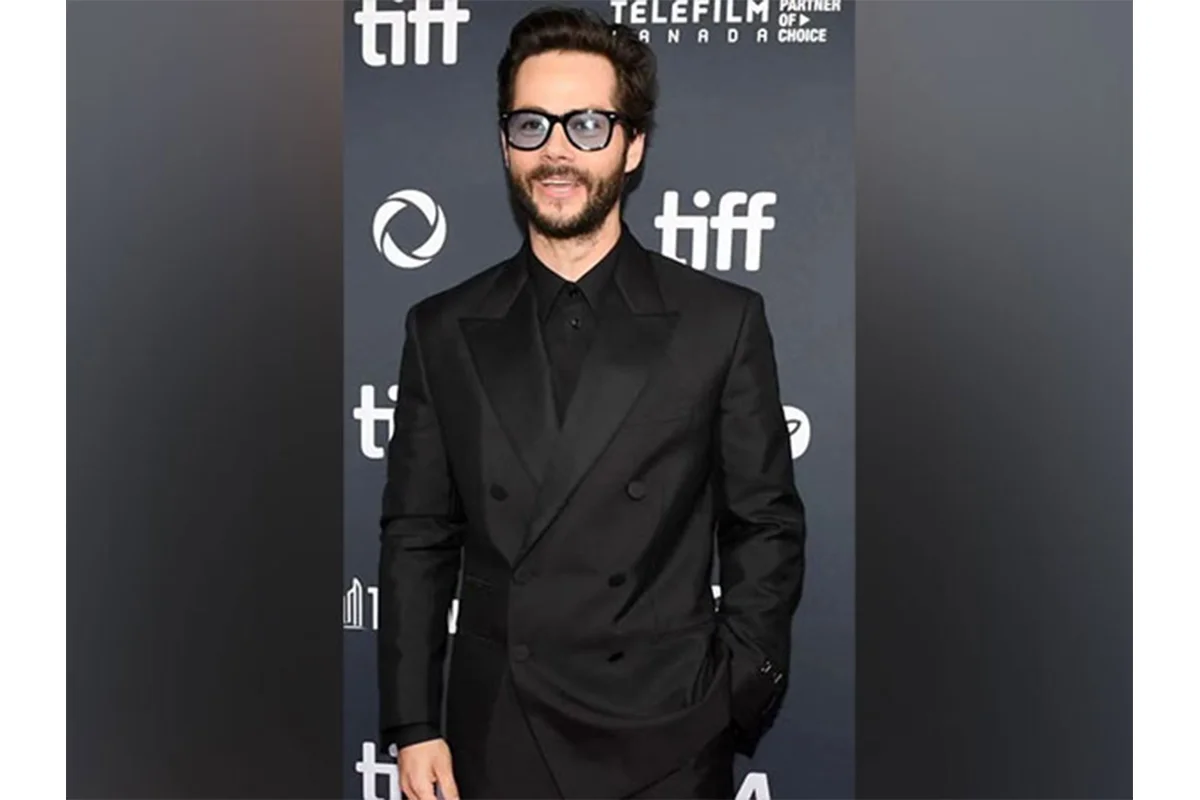
Send Help is hailed as Raimi’s most impressive film since Drag Me to Hell, with a rich mixture of comedic chaos and visceral horror moments that repeatedly push boundaries. The film also benefits from O’Brien’s evolving career trajectory, marking a year of notable performances, including an Independent Spirit nomination for his role in the Sundance hit Twinless, which premiered around the same time.
Dylan O’Brien Reflects on the Indie vs. Studio Film Experiences
O’Brien shares his perspective on working in both independent and studio film environments, highlighting the differences he experiences in projects like Send Help and Twinless. He explains that despite Maze Runner being a major studio franchise, it was produced with an indie philosophy, featuring tight production schedules and an efficient, scrappy workflow. Similarly, his early television work on Teen Wolf maintained this rapid pace, with long days and a focus on quick, precise takes.
“One’s in the studio space, and one’s independent, and those are entirely different worlds. Which is really interesting to experience back to back, and the contrasts of each of those machines,”
O’Brien says, underscoring how navigating these two spheres offers contrasting creative experiences.
He notes a strong personal comfort with indie productions, valuing the intimate atmosphere and focused energy on set, which he finds essential for filmmaking that feels genuine and organic.
The Appeal and Challenges of Playing a Repellent Character
O’Brien finds enjoyment and catharsis in portraying a character as repugnant as Bradley Preston. Despite the character’s extreme unpleasantness, he treats the role with a comic sensibility, embracing the fun of playing someone so shockingly awful.
“Yeah, I don’t know, it was hard to shower off at the end of the day,”
he jokes, dismissing any lingering discomfort from the role.
He expresses that he understood his role’s function in providing a humorous foil to Rachel McAdams’ character, embracing the theatrical “fuckin’ piece of shit” role as a key element that injects humor into the narrative. O’Brien also notes that sometimes his ad-libbing and portrayal led some on set to momentarily believe he was genuinely like Bradley, requiring him to clarify:
“You know I’m not… That’s not who I am, right?”
Balancing the Character’s Likeability Amid Toxic Behavior
A crucial element of O’Brien’s performance lies in making such an unlikable character grow more nuanced and relatable as the story progresses. Initially, Bradley inspires pure disdain, but the film gradually reveals additional layers, encouraging viewers to root for him despite his flaws.
O’Brien acknowledges that this balancing act was deliberate and essential, recalling early production conversations where there were concerns about his leaning too heavily into Bradley’s unpleasantness:
“I literally had to say the words, ‘I promise you, I promise you, I will ground him.’”
This promise ensured the character’s arc would gain depth, making the film’s dynamic tension and emotional progression more compelling.
Behind the Scenes of Send Help’s Intense and Uncomfortable Moments
One of the film’s grotesquely memorable scenes involves Linda vomiting in Bradley’s face. O’Brien reveals that, despite the scene’s visceral shock value, the substance was a mango-flavored special effects concoction, describing it as
“kind of like… zesty, and nice.”
He emphasizes that the vomiting was achieved primarily through camera tricks and editing, rather than actual physical contact between actors.
The film amplifies these moments with extended takes, replaying the shocking visual of puke hitting O’Brien’s character multiple times. O’Brien highlights the humorous nature of Bradley waking just as Linda tries to resuscitate him, keeping him conscious through the ordeal.
Another scene that provoked extreme discomfort features Linda threatening to chop off Bradley’s testicles. O’Brien explains the scene evolved organically on set, with Rachel McAdam driving the emotional intensity and physicality. He had the opportunity to observe her performance extensively beforehand, which helped him navigate being immobilized by an octopus-like grip in this heightened horror-comedy moment.
The Feral Fight: Raw Physicality and Intensity Between Bradley and Linda
The climactic confrontation between Bradley and Linda stands out for its raw, animalistic energy. The fight was rehearsed in advance and dubbed the “Feral Fight” by the production team, emphasizing that the characters rely on instinct rather than trained combat techniques. The brutal brawling includes Linda biting Bradley’s shoulder and Bradley ripping her hair, with moments of cruelty interspersed with dark humor.
O’Brien fondly recalls the chaotic nature of the fight, especially the surreal prop work involving a prosthetic Rachel head used to simulate the eye gouging scene.
“It was really funny, it was like a bald mannequin Rachel’s head that someone had to fly through security with,”
he recounts, illustrating the inventive craftsmanship behind the film’s gore.
Bradley’s Fate: A Deadly End and Complex Moral Judgments
The film concludes with Bradley meeting his demise at the hands of Linda, struck with a golf club. O’Brien reflects on whether this grim outcome was deserved, suggesting that both characters are flawed and justified in their extreme actions. He notes that many viewers might see them simply as two “crazy people,” each acting according to deeply personal motives shaped by painful experiences.
O’Brien expresses empathy for both Bradley and Linda, highlighting their contrasting yet intertwined reasons for survival and vengeance. He notes Bradley’s desperate, escalating aggression when he pulls a shotgun on Linda before she strikes back, implying that the violent resolution holds a reluctant sense of justice.
Looking Ahead: Dylan O’Brien’s Upcoming Collaborations and Future Projects
Beyond Send Help, Dylan O’Brien is collaborating again with James Sweeney, his co-creator on Twinless. While details remain scant, O’Brien indicates that their new project leans toward reviving romantic comedy, intending to bring a fresh voice to the genre in a commercially appealing way. He describes the work as early in development but expresses enthusiasm for the potential direction.
Send Help is currently available in cinemas, while Twinless is set for release on February 6. O’Brien’s performances in these diverse roles underscore his versatility and continued rise in dramatic and genre filmmaking.
