
Anne Hathaway, known for her role in the original Devil Wears Prada and her status as a millionaire actress, recently sparked controversy by insisting on wearing flats instead of heels for the upcoming sequel. This shift in footwear highlights a broader cultural change about comfort and power in fashion, fundamentally altering the familiar narrative associated with the franchise and the character Andy Sachs. Hathaway’s call to swap stilettos for comfortable shoes signals a dramatic departure from past fashion norms that equated pain with professionalism and success.
The New Era of Footwear in Fashion
In the world of Devil Wears Prada, stilettos were never just about style; they symbolized a rite of passage and a test of endurance. Wearing uncomfortable shoes was a sign of commitment and membership in an exclusive fashion circle. Andy Sachs’s transformation, marked by her first steps in Chanel boots, was both a victory and a painful symbol of status. However, Hathaway challenges this outdated notion by advocating for flats—shoes that prioritize comfort over sacrifice. This represents a fundamental revolution in how fashion and power intersect, pushing back against the idea that success must come with discomfort.
The shift in attitude now questions the relevance of old rules where suffering was synonymous with success. In 2026, the glamor once associated with painful shoes is fading, and Hathaway is unapologetically rejecting the idea that women’s careers should be linked to their ability to endure pain in pursuit of style or approval. This change does not aim to undermine the legacy of the 2006 film but to break free from the constraints it once embraced.
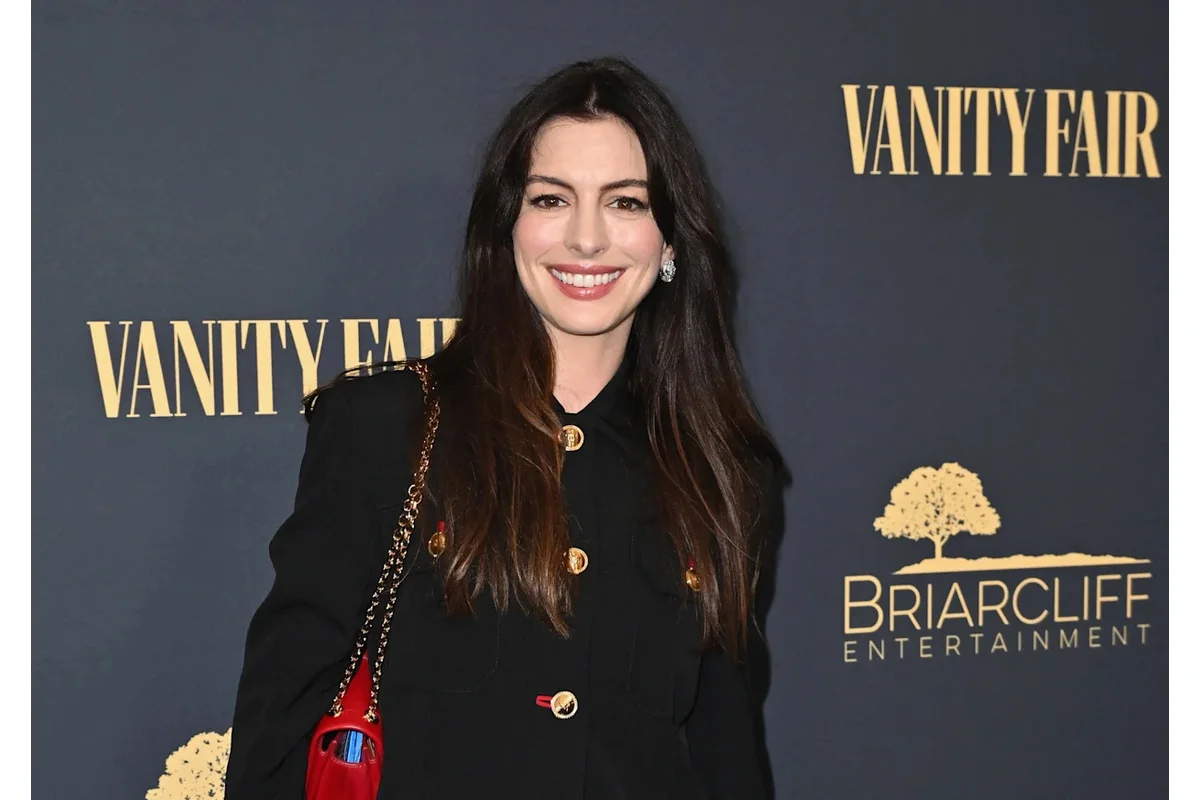
Andy Sachs Transformed: From Approval to Authenticity
In the new sequel, Andy Sachs is expected to return confidently to her workplace, wearing flats without concern for how she appears to others. This development marks a significant evolution from her earlier self, who dressed to gain Nigel’s attention and earn Miranda Priestly’s approval. Now, Andy is portrayed as someone dressing for herself, symbolizing a fresh perspective where fashion serves personal comfort and self-expression rather than external validation.
This transformation is a reflection of a larger cultural shift in how people relate to appearances in professional settings. It signals a move away from wasting energy on seeking scraps of approval, opting instead to embrace function over form. The change also underscores a broader statement about empowerment: true confidence comes from authenticity, whether expressed in flats, sweatpants, or any attire chosen freely by the wearer.
Miranda Priestly’s Reign and the End of Fashion’s Painful Rules
Miranda Priestly, portrayed by Meryl Streep, was the embodiment of fashion’s harsh demands, leeching power from impossible expectations like long waiting lines and agonizingly high heels. These ordeals were core to her authority and the drama surrounding Runway magazine. Yet, with comfort becoming mainstream, this foundation of control starts to erode. If audiences begin to embrace loafers and reject pain as a measure of prestige, Miranda’s empire risks losing its formidable grip.
The sharp contrast between the pain-inducing fashion of the past and today’s wellness-centered approach makes the iconic image of Miranda somewhat outdated. The memorable line,
“That sweater is not just blue, it’s cerulean”
—Miranda Priestly, resonates less when fashion no longer demands sacrifice. On online forums like Reddit, users joke,
“She’d be leading HR mandatory sensitivity trainings by now.”
reflecting the cultural shift from intimidation to inclusivity within the fashion world.
The Legacy of Patricia Field and the Emerging Fashion Paradigm
Patricia Field’s costume design for the original film set a high standard by weaving fashion intricately into storytelling. However, fashion itself evolves constantly, and the sequel calls for a fresh approach that challenges her celebrated style. Anne Hathaway’s advocacy for flats is an invitation to rethink Field’s aesthetic, not to erase her influence but to flip it playfully.
Fashion cycles often embrace past trends but now increasingly celebrate comfort as a form of rebellion. It is no longer unusual to see expensive, deliberately “ugly” sandals or sneakers worn alongside more traditional luxury footwear. The old fashion rules haven’t vanished but have transformed, adapting to new cultural priorities like arch support and authenticity that resonate strongly in 2024.
Luxury Flats: A New Status Symbol
The economics within luxury fashion have inverted, with flats gaining value and status once reserved for high heels. Brands like Loro Piana, The Row, and collaborations with Birk produce flat shoes that command premium prices, sometimes reaching $900 or more, and customers often face waitlists. This trend reflects the rise of “quiet luxury,” where understated designs without overt branding indicate wealth more subtly than flashy logos. Someone commanding a six-figure salary might opt for minimalist sneakers, signaling elite status through restraint rather than display.
Comfort has become an exclusive privilege associated with the wealthy, while traditional ideas about “earning” one’s position through suffering persist for many others. This inversion exposes contradictions in how society signals success, revealing a disconnect between true comfort as a lifestyle and the outdated narrative that hard work always requires hardship, a notion increasingly viewed as misleading or exploitative.
Emily’s Character and the Shift in Generational Attitudes
Emily, once the enforcer of old-school fashion grueling standards, exemplifies the worn-out expectations of sacrifice in the workplace. She suffered through pain to fit into designer shoes, dismissing others’ styles, including Andy’s, as inadequate. The sequel poses a challenge for Emily’s character to adjust to today’s “ugly chic” fashion trends, where younger professionals embrace sweatpants and casual footwear to assert their seriousness.
Emily would likely struggle with this cultural change, yet her commitment to a strict aesthetic suggests she could adapt, even if reluctantly. Representing an older generation, she risks becoming eclipsed by younger workers who flaunt practical, unapologetic styles like platform Crocs—a symbol of shifting values about workwear and power, highlighting evolving workplace dynamics and generational divides.
Anne Hathaway’s Message Reaches Beyond the Screen
Hathaway’s advocacy for flats is more than a production decision; it sends a message directly to fans and viewers. She urged,
“Don’t feel like you have to suffer for us.”
This breaks the fourth wall, inviting the audience to reconsider the cost of fashion and success in their own lives, rejecting outdated notions that pain or discomfort prove dedication or worth.
The influence extends beyond the movie itself: screenings now showcase audiences dressed casually in sweatpants and slippers, turning fans into living runways that challenge fashion’s past rigidity. This trend reflects how cultural gatekeepers are stepping aside as comfort and authenticity become the new markers of cool, even if the shift is temporary.
Discarding Protective Armor in the Workplace
The original film’s environment resembled a battlefield, where dressing up painfully was akin to donning armor in a fight for survival and respect. Comfort was seen as weakness. In contrast, the current trend subverts this metaphor, arguing that true power comes from shedding that armor. Wearing sneakers or flats to work signifies detachment from intimidation tactics and embraces freedom from the pressures of outdated norms.
The modern alpha no longer needs to prove dominance through exhaustion or discomfort. Instead, they command authority through effortless indifference, redefining what it means to be a boss. As the workplace evolves, the once-feared image of Miranda Priestly loses traction, replaced by a culture that values well-being and work-life balance.
The Changing Narrative Around Andy’s Flats
In the original movie, Andy’s flats were used for comedic effect, lingering on the screen as a sign of social awkwardness or lack of style. Now, Hathaway’s insistence on flats flips that joke into a powerful statement. The once “clunky” shoes are reframed as symbols of subtle protest and progress, questioning whether the sacrifices demanded by fashion and status were ever justified.
Two decades later, this perspective challenges audiences to rethink the value placed on conforming to painful standards. Perhaps Andy and others like her were pioneers, ahead of their time in rejecting the need to “try so hard” and embracing comfort as a new form of strength.
The Ongoing Debate and Cultural Resonance
Hathaway’s casual remark about flats quickly escalated into a cultural conversation, with media and fans dissecting the meaning behind the shoes on platforms like TikTok, Reddit, and popular culture podcasts. The classic elements of the original film—Miranda’s steely gaze, Andy’s oversized cardigan, the Paris job—have morphed into memes, symbols of a bygone era still fondly debated by old and new fans alike.
This enduring interest shows how deeply the story continues to resonate, offering a second life through reflection on its themes and the evolving cultural landscape around fashion, power, and identity.
Flats as a Catalyst for Change in the Runway Universe
The introduction of flats is more than a fashion choice; it signals a potential upheaval of the entire Runway world. Accepting comfort challenges the need for Miranda’s approval and Emily’s empathetic hardship, questions that arise in discussions about the sequel’s direction. The larger issue is whether audiences are ready for a story where success doesn’t require suffering.
At stake is the fate of long-held traditions and characters—whether Miranda’s dominion will persist, transform, or fade as new values take hold. Hathaway’s comment has removed the veil, setting the stage for a sequel that must confront these evolving attitudes and meet the expectations of an audience eager for change.
