
In the wake of a highly viewed Super Bowl halftime show featuring Puerto Rican artist Bad Bunny, Florida Republican Representative Randy Fine launched a formal call for an investigation into the performance, citing violations and moral concerns. Ben Stiller responded swiftly to Fine’s criticism, defending the show’s message of inclusion and challenging the political backlash over the performance.
Congressman Randy Fine Calls for FCC Inquiry Into Halftime Performance
Randy Fine targeted the Federal Communications Commission (FCC) with a letter demanding an immediate and thorough investigation into Bad Bunny’s halftime act. Fine’s complaint portrayed the performance not just as entertainment but as a potential criminal offense. Specifically, he claimed that the lyrics, which referenced drug use, constituted encouragement of illegal activity on live television. He emphasized that language barriers, such as the Spanish lyrics, should not exempt the broadcast from rules governing indecency.
Additionally, Fine condemned the use of explicit language during the event, including foreign language profanity, urging the FCC to impose the “maximum penalties.” His letter suggested that tolerating such content due to its profitability would send a message that indecency is acceptable if it generates revenue. The representative’s stance ignited a wave of criticism online, with opponents accusing him of diverting attention from pressing local issues in Florida’s 6th district in favor of policing artistic expression at a global pop concert.
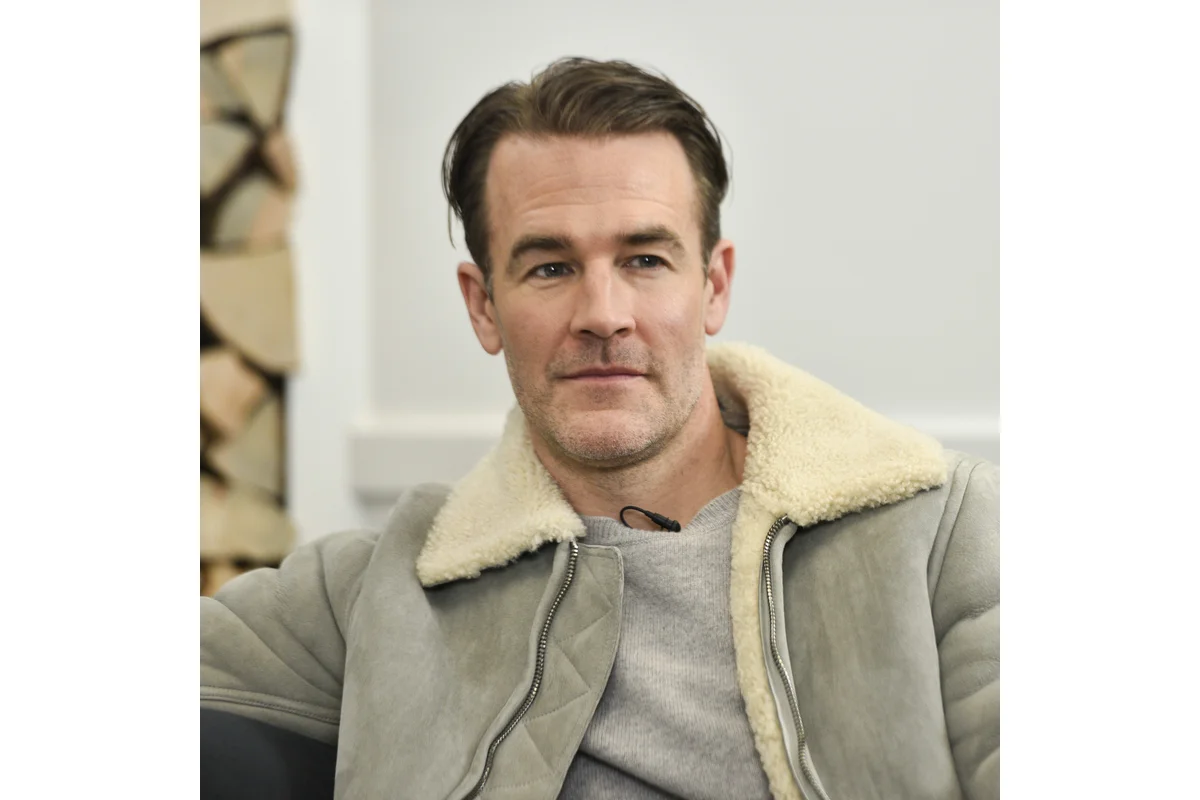
Ben Stiller Champions a Message of Inclusion and Artistic Excellence
As Representative Fine’s demands gained traction, actor Ben Stiller entered the conversation with a sharply ironic response on social media. Known for his comedic social insights, Stiller mocked the seriousness of the inquiry, reframing it as an investigation into Bad Bunny’s exceptional talent and charisma rather than the supposed indecency.
Stiller tweeted,
“Focus of investigation: how did Bad Bunny manage to kick ass at such a high level and deliver the most watched and well produced half time show about inclusion and love ever made….”
He further suggested that any investigation should explore the source of Bad Bunny’s remarkable skills and heart. His message celebrated the performance’s artistic impact and the inclusive themes it promoted, contrasting sharply with Fine’s accusatory letter.
Ben Stiller Calmly Faces Social Media Attacks
Stiller’s witty defense attracted attention from Fine’s supporters, sparking a series of social media exchanges marked by hostility and trolling. Despite personal attacks branding him as a “self-righteous” figure from Hollywood and unfounded conspiracy theories aimed at his friends, Stiller consistently responded with civility and grace. He affirmed his New York City upbringing and expressed gratitude for his family while wishing even his detractors well.
When confronted with comparisons between Bad Bunny’s viewership and that of Kendrick Lamar, Stiller acknowledged Lamar’s success without engaging in the debate, maintaining a respectful tone. Even in the face of the most extreme online harassment, such as bizarre accusations, Stiller’s replies remained polite and detached, defusing tension rather than escalating conflict.
He tweeted simply, “All the best!” and
“She’s so funny! I’m a fan xx,”
maintaining a calm demeanor in the midst of heightened online tensions.
Public Figures Joining the Pushback Against Moral Outrage
Stiller’s composed response was part of a broader trend among public figures pushing back against politically charged outrage over entertainment content. Bravo host Andy Cohen also engaged critics on social media, using humor to critique the moralizing responses. Stiller’s approach, highlighting the positive aspects of Bad Bunny’s show and dismissing the seriousness of the investigation calls, underscores a cultural divide about how popular performances are being scrutinized.
The situation highlights the tension between political figures seeking to regulate content based on perceived decency standards and artists who celebrate diversity and inclusion. As public conversations continue, Stiller’s intervention marks a significant moment where humor and artistic defense appear to be gaining ground over punitive political rhetoric.
Focus of investigation: how did Bad Bunny manage to kick ass at such a high level and deliver the most watched and well produced half time show about inclusion and love ever made….investigators plan to explore source of Bunny’s huge talent, off the charts charisma and even…
— Ben Stiller (@BenStiller) February 11, 2026
All the best!
— Ben Stiller (@BenStiller) February 11, 2026
She’s so funny! I’m a fan xx
— Ben Stiller (@BenStiller) February 11, 2026
