
Denis Villeneuve sandworm design reached new heights in the 2021 film Dune, where the immense creatures of Arrakis were brought to life with unprecedented realism. Tasked with depicting Shai-Hulud—the towering sandworms feared by the desert inhabitants, the Fremen—Villeneuve and his team combined biological accuracy with innovative technology to make these colossal predators feel both threatening and tangible.
Villeneuve’s vision prioritized sensation over spectacle, ensuring viewers didn’t just see the sandworms but genuinely experienced their overwhelming presence. The film’s visual effects and sound design worked together to immerse audiences in the perilous ecosystem of Arrakis, turning what could have been merely fantastic monsters into believable apex creatures.
Crafting a Realistic Sandworm Presence
The sandworms of Arrakis known as Shai-Hulud are enormous, measuring nearly half a kilometer in length and between 40 to 50 meters in diameter. These creatures’ size alone posed a unique challenge to Villeneuve and his creative team. Unlike typical colossal monsters designed purely to awe, the sandworms had to adhere to believable physical constraints. Villeneuve spent almost a year refining their design to reflect how such beings might truly survive and move in a harsh desert environment.
The approach to their appearance leaned heavily on prehistoric imagery, resulting in a dense, layered exterior rather than the smooth, slimy skin typical of earthworms. Their armor-like shell, depicted as several inches thick, implies durability against the abrasive sand and resistance to human weaponry. This intensifies their portrayal as unstoppable forces of nature rather than just oversized creatures.
One striking feature—the sandworm’s mouth—drew inspiration from baleen whales, chosen for its functional role in filtering nutrients as the worm burrows through sand. This design choice further embedded the sandworms into the ecology of Arrakis, making them feel like a natural part of the world rather than sci-fi monsters.
Illusions of Size and Scale Through Visual Techniques
The British VFX and animation studio D-NEG was entrusted with creating the CGI sandworms, where the principle of “less is more” guided their execution. Instead of revealing the entire creature, often only parts were shown emerging or moving beneath clouds of sand, with visuals carefully composed to engage the audience’s imagination and build a sense of enormity.
By limiting direct exposure and using low-angle shots, the filmmakers emphasized the sandworms’ monumental size and power. This method created a palpable feeling of dread and suspense, as viewers sensed the danger even when much of the worm remained unseen. The partial concealment made the worms feel like real, living entities that dominated their environment in a way that was both overwhelming and terrifying.
Organic Soundscapes to Complement the Sandworm’s Design
Villeneuve’s commitment to realism extended beyond visuals into the sound design for the sandworms. The creatures deliberately avoid traditional monster roars; instead, their sounds mimic natural and biological processes.
As the sandworms move, the friction of their armored scales against sand produces rhythmic, dry whistles and hisses that evoke the vast desert setting. When skin contacts rocks, low-frequency crinkling noises arise, signaling the proximity of these titanic animals. Rather than artificial growls, these sounds ground the sandworms authentically within their environment.
The sound design team even incorporated audio for the internal breathing system of the worms. When a rider exposes the exposed skin beneath the scales, listeners can hear air rushing through breathing vents, highlighting the creature’s vulnerability and life-like qualities. This contrast of fierce power and biological fragility adds depth to the sandworm’s on-screen presence.
Integrating Practical Effects for Enhanced Realism
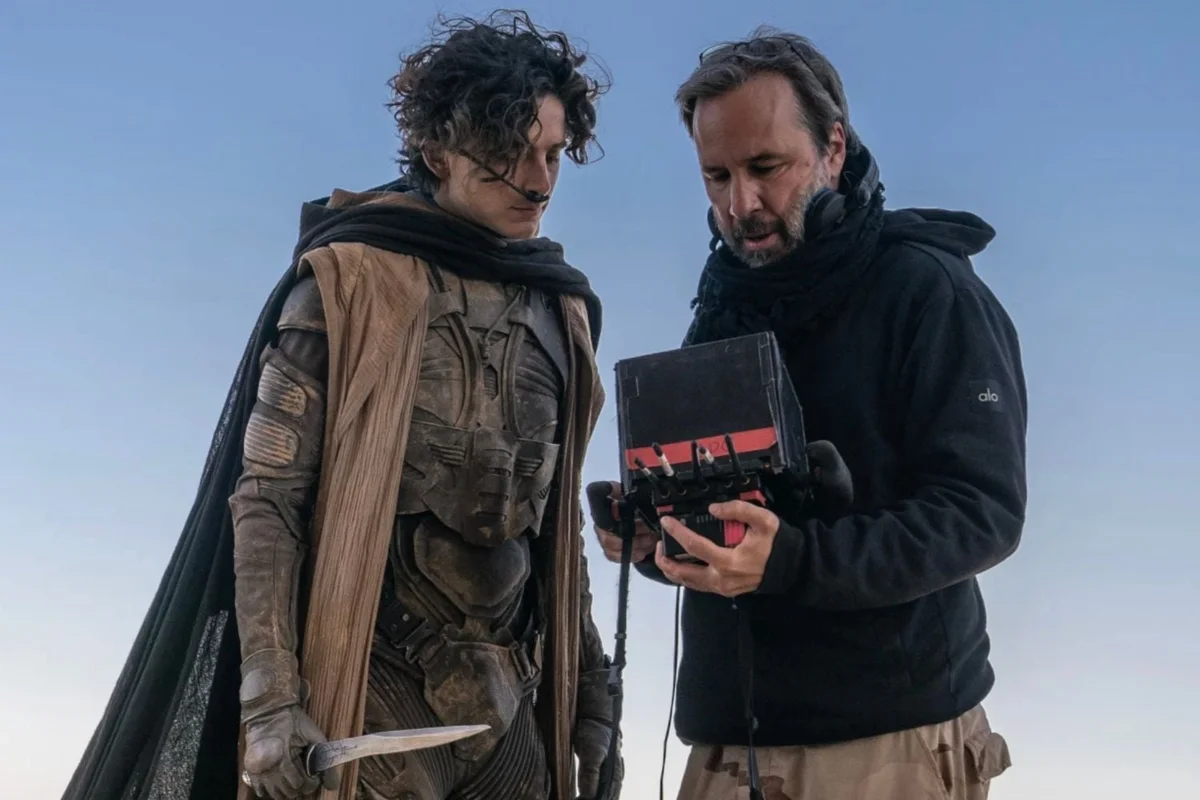
To capture an authentic experience for the actors, the production built a sizeable “shaker rig” during the filming of Dune: Part Two. This platform simulated the shaking and trembling of riding a sandworm. Timothée Chalamet, who plays Paul Atreides, was exposed to real sand blasts and motions designed to mimic the harsh desert conditions and the creature’s immense movement.
The rig’s vibrations and tilts forced Chalamet to physically respond to the environment rather than acting purely to green-screen effects. His dust-covered appearance and squinting eyes are the result of genuine interaction with sand and wind, lending credibility to the scenes and heightening audience immersion.
The Lasting Impact of Villeneuve’s Sandworm Creation
Denis Villeneuve’s meticulous efforts to balance cutting-edge CGI with respect for realistic biology transformed the sandworms from literary icons into cinematic giants that feel both frightening and believable. His collaboration with CGI experts, sound designers, and production teams produced creatures that are not mere visual spectacles but living predators within the film’s ecosystem.
Villeneuve avoided the trap of creating monsters that exist only as impressive digital effects by ensuring every aspect—from their movement and anatomy to their unique sounds—served a purpose rooted in nature. This approach has set a new standard for monster design in sci-fi, where impact is measured by how much the audience can feel the creature’s weight and danger rather than just see it.
As Dune: Part Two continues production, audiences can expect further refinement of this vision, including more immersive practical effects and deeper explorations of the creatures that define the perilous world of Arrakis.
“Such design choices made sandworms feel like an integral part of the Arrakis ecosystem rather than some sort of space dragons. They felt gritty, gruesome, and yet grounded.”
– Denis Villeneuve
“Denis Villeneuve saw these creatures as a filmmaking challenge rather than a visual effects showcase. The goal was to convince, not just impress.”
– CGI Team Lead
