
The Pirates of the Caribbean film series dominated early 2000s cinema, becoming a massive cultural and financial success. These movies, particularly the original trilogy, played a crucial role in sustaining Walt Disney Studios during a challenging period between the end of the Disney Renaissance and the resurgence sparked by Frozen in 2013. At a time when Disney’s animated films struggled, Pirates became synonymous with the studio’s identity, driving much of its profitability and visibility.
Continued Attempts to Revive the Franchise Amidst Changing Leadership
Despite Pirates of the Caribbean’s fading cultural resonance, Disney extended the franchise with additional installments, including the 2017 release Dead Men Tell No Tales, which failed to meet critical and commercial expectations. Recently, with Josh D’Amaro taking over as Disney’s CEO, renewed speculation surfaced about rebooting the series. These discussions reignited debates focused heavily on Johnny Depp’s involvement, reflecting ongoing public contention around his persona after the original trilogy’s heyday.
Reevaluating Depp’s Role and Legacy in the Franchise
Johnny Depp’s portrayal of Jack Sparrow was once lauded as a defining element of the films’ charm. However, over time, Depp has become a polarizing figure, generating significant division among fans and observers. There remains a vocal segment urging Depp’s return to the franchise, yet many question whether his presence is essential to recapturing the magic. The actor continued as a key figure in later films, but those sequels lacked the vitality that marked the originals.
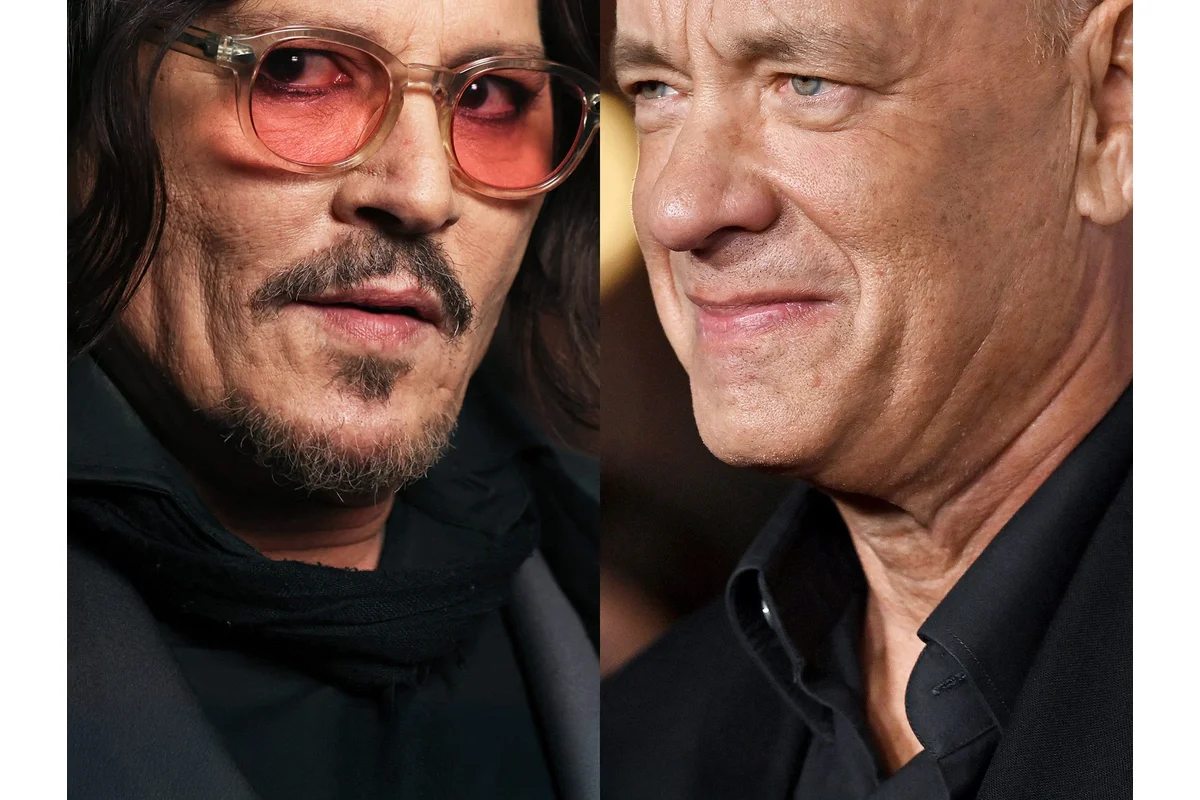
Gore Verbinski: The Visionary Director Behind the Success
Gore Verbinski’s direction of the first three Pirates movies is widely credited with their distinct energy and daring tone. His filmmaking style infused those blockbusters with innovation and audacity, elements often missing from the later entries. Verbinski’s diverse work, including The Ring, Rango, and his recent sci-fi black comedy Good Luck, Have Fun, Don’t Die, showcase his talent for creating unconventional, high-concept narratives. Unlike the lifeless feel attributed to the 2011 and 2017 Pirates sequels, which he did not direct, Verbinski’s contributions brought a passion and originality that lifted the series beyond typical franchise fare.
The Impact of Verbinski’s Direction on Pirates’ Unique Identity
The original trilogy’s tone was exceptionally bold, exemplified by moments like the third film’s jarring transition from the Disney castle logo to a scene depicting a mass hanging. Such creative risks underscore Verbinski’s commitment to pushing boundaries within a major studio blockbuster. His vision shaped the franchise’s distinctive style and made it resonate with audiences at a deeper, more complex level than a standard action-adventure series.
Why Future Pirates Films Should Prioritize Directorial Vision Over Star Power
While Depp remained a prominent character in later films, his portrayal gradually lost appeal, diluted by oversaturation and changing public perception. Therefore, his involvement in future installments is not necessarily a priority. In contrast, bringing Verbinski back as director could revitalize the franchise’s core strengths, given his proven ability to create engaging and original storytelling. Disney’s future handling of Pirates will likely benefit more from trusting creative risk-taking akin to Verbinski’s approach rather than relying on past star performances.
Looking Ahead: The Challenges and Opportunities for Pirates
Disney’s decisions under Josh D’Amaro’s leadership may determine whether the Pirates franchise can regain its former excitement or continue to falter. If the studio opts for a reboot, the key question is whether it will embrace the bold filmmaking that Verbinski exemplified or default to safer, conventional formulas. The franchise’s legacy hinges on this choice, as selective creative vision may be the key to restoring its cultural and commercial vitality in a crowded entertainment landscape.
“Say what you want about Verbinski’s first three and their ever-escalating nature, but they are insane, passion-filled, and deeply idiosyncratic blockbusters.” – Unattributed
“Hell, the third film, At World’s End, literally cuts from the Disney castle opening logo to a mass hanging of men, women, and children. Verbinski pulled that stunt in Disney’s biggest blockbuster of 2007 and got away with it; that is absolutely insane and a testament to his ruthless ambition.” – Unattributed
“So do I need Depp to return for a new Pirates film? Absolutely not. The appeal of seeing an in-his-prime Depp playing this gonzo character is now completely gone, having been stripped bare by years of saturation and over-exposure.” – Unattributed
“But do I need Verbinski to return for a new Pirates film? That makes a much bigger difference in my opinion, as the filmmaker is very much still making tactile, outside-the-box, high-concept movies that swing for the fences in a way that, frankly, I don’t trust Disney to let any new filmmaker do.” – Unattributed
