
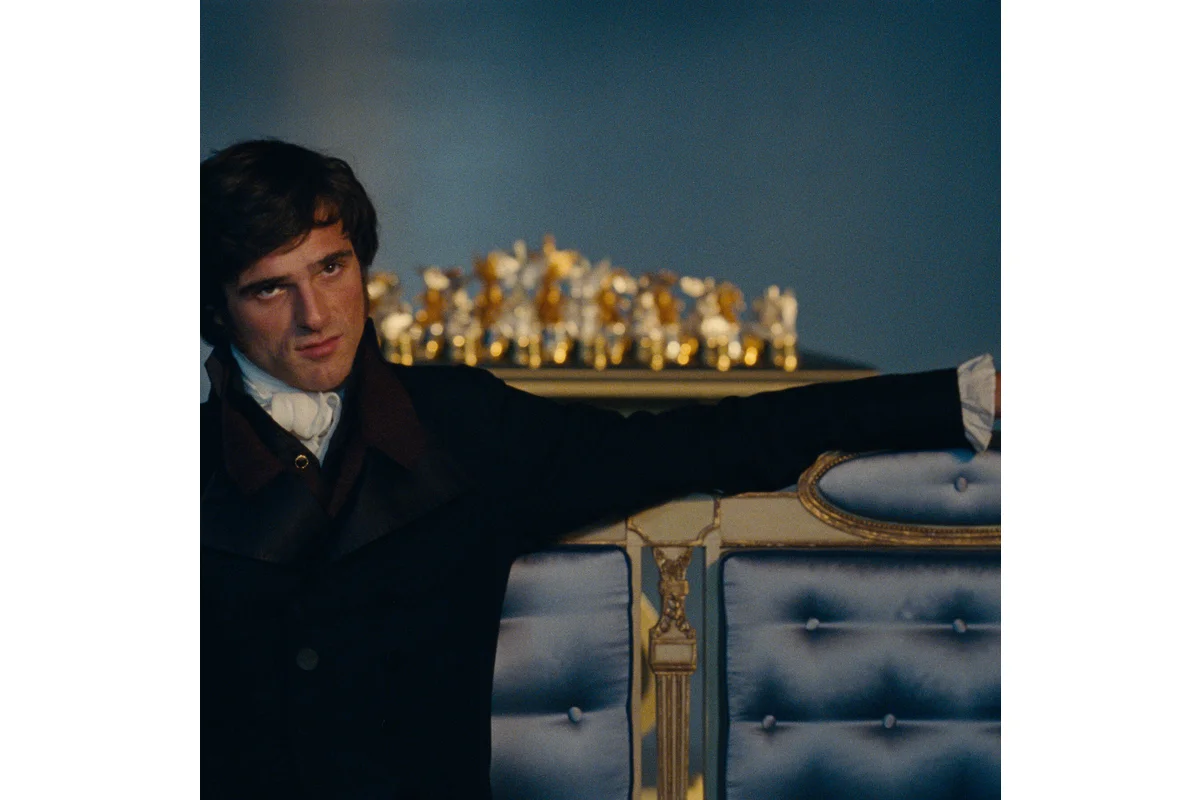
This weekend marks the wide release of Emerald Fennell’s film adaptation of Emily Brontë’s Wuthering Heights, aiming to bring the classic story to a contemporary audience. Featuring Jacob Elordi in the role of Heathcliff, the movie focuses heavily on the intense and illicit romance between Cathy Earnshaw and Heathcliff, highlighting Elordi’s Heathcliff portrayal amid a stylized setting and a modern pop soundtrack by Charli XCX.
Changes to the Original Story and Casting Choices
The film takes notable liberties by trimming much of the original novel’s plot to concentrate on Cathy and Heathcliff’s passionate relationship. Importantly, the movie keeps the detail that Heathcliff is Cathy’s foster brother, a relationship that adds complexity to their dynamic. However, where the book describes Heathcliff as ethnically ambiguous and dark-skinned, Elordi’s portrayal is that of a white Australian actor, a casting choice justified by Fennell as reflecting her vision of the character from when she first read the novel as a teenager.
Wuthering Heights has seen at least 18 film adaptations, with Heathcliff often played by white actors such as Richard Burton, Tom Hardy, and Ralph Fiennes. Fennell’s casting aligns with this long-standing tradition, making accusations of whitewashing difficult to sustain. The adaptation also includes actors of color in other roles like Linton and Nelly, indicating a more nuanced approach to diversity.
A History of Heathcliff Portrayals and the Challenge of Representation
One rare departure from the norm occurred in Andrea Arnold’s 2011 adaptation, where James Howson, a Black British actor, played Heathcliff. Despite this groundbreaking casting, the film struggled commercially, and Howson quickly faded from the spotlight. In contrast, casting Jacob Elordi, a rising star with significant box office appeal, reflects commercial considerations that weigh heavily in such productions. This choice raises questions about balancing star power with authentic representation.
Reflecting on Personal and Cultural Perspectives on Heathcliff
The film’s focus on a white Heathcliff contrasts with the varied ways readers and viewers might relate to the character. For instance, the author and humorist Dave Schilling recalls his teenage years when reading Wuthering Heights, imagining sci-fi battles instead of the novel’s narrative. Schilling’s personal history as the child of an interracial marriage in America, a country where such unions were once illegal, colors his perspective on Heathcliff’s alienation and difference caused by race and upbringing.
This sense of othering—being perceived as different and subjected to exclusion—is central to the novel’s themes, embodied in Heathcliff’s character and his struggle with social prejudice. Cathy and Heathcliff’s separation is driven by social class and reinforced by Cathy’s brother Hindley, who relegates Heathcliff to the status of servant. These dynamics hinge on Heathcliff’s ambiguous origins and distinct appearance, which position him apart from the Earnshaw family.
The Complexity of Interracial Themes in Film and Literature
While Hollywood often avoids deeply engaging with race in films featuring interracial relationships, Wuthering Heights inherently grapples with these issues through its exploration of outsider status and societal division. Schilling points to other films, such as the 2015 movie Focus starring Margot Robbie and Will Smith, which showcase interracial couples without delving into the social implications, highlighting the varying intent and depth filmmakers bring to such representations.
Schilling is not demanding that every narrative confront racial themes explicitly, but he recognizes that Wuthering Heights carries a subtext about alienation and deep-rooted prejudice. This substance differentiates it from entertaining but less challenging fare, underscoring the potential richness of Heathcliff’s character beyond surface-level casting choices.
A Call for Broader Imagination in Recreating Heathcliff
Reflecting on the casting of Jacob Elordi and director Emerald Fennell’s vision, Schilling expresses a wish for a portrayal of Heathcliff that embraces the character’s complexity as a figure of otherness and alienation. Instead of simply replicating traditional interpretations, he advocates for a version that explores deeper social and cultural fractures, possibly imagining a Heathcliff who reflects the intricate realities of race and identity.
He challenges Fennell’s inability to imagine an interracial version of Heathcliff, suggesting this limitation stems from the human tendency to see only what aligns with personal biases or comfort zones. This perspective invites future filmmakers to reconsider how classic characters can be reinterpreted to resonate with today’s diverse audiences and heightened awareness of representation.
Looking Ahead: The Impact of Casting and Storytelling Choices
The decision to cast Jacob Elordi as Heathcliff inevitably shapes how modern viewers perceive this iconic character, balancing the tensions of artistic vision, commercial viability, and cultural identity. As audiences engage with Emerald Fennell’s adaptation, questions about authenticity, representation, and the power of storytelling remain central to the conversation surrounding Wuthering Heights.
Ultimately, this adaptation may prompt renewed discussions on how literary classics are adapted to reflect shifting societal values while honoring their core themes of love, revenge, and social division.
“I can’t quibble too much with that, since Wuthering Heights is squarely in the public domain and film-makers can do whatever they want with it.”
– Dave Schilling, Humorist
“Who am I to argue against the holy Saint Commerce?”
– Dave Schilling, Humorist
“Because we see only what we want to see.”
– Dave Schilling, Humorist
