
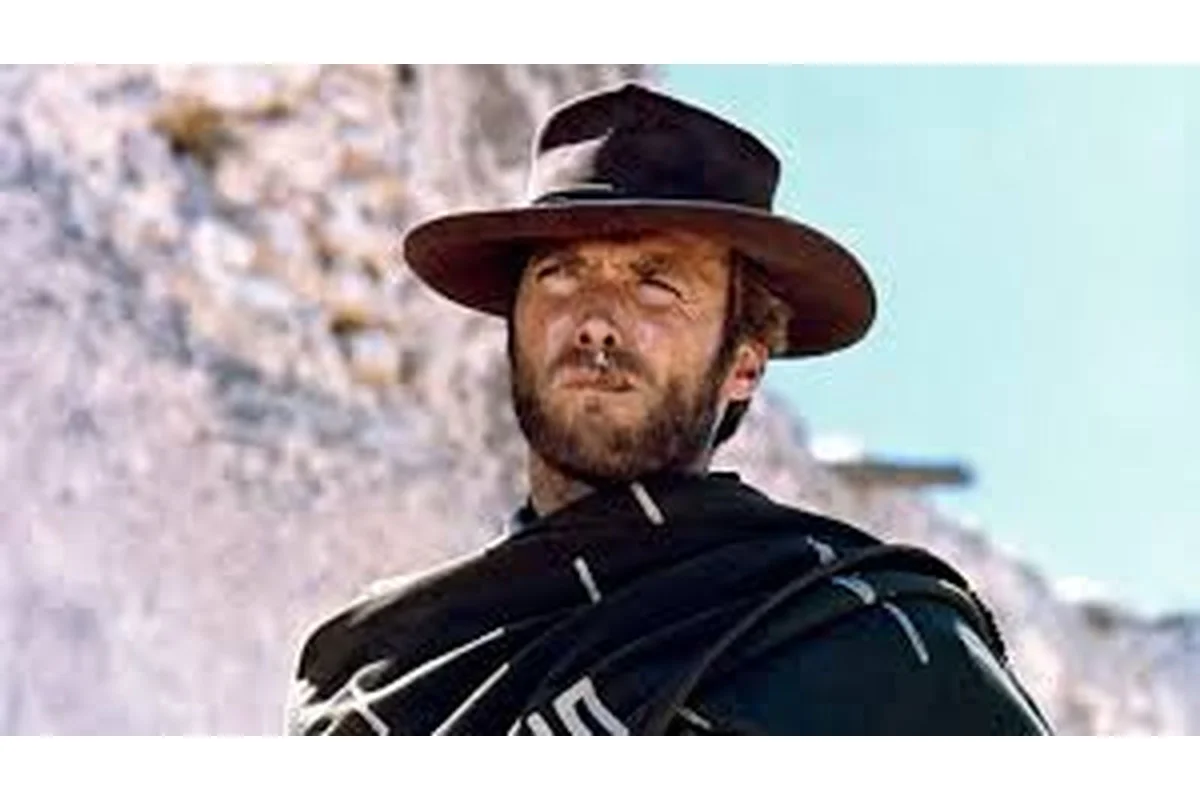
Clint Eastwood transformed the Western genre during the 1960s, moving away from the traditional, often idealized portrayal of American heroes seen in John Wayne films. Eastwood’s roles in Sergio Leone’s spaghetti westerns introduced a more violent and gritty portrayal of characters, establishing him as the ultimate anti-hero. His brooding presence and effortless coolness captivated audiences as he embodied toughness, whether wielding a gun or engaging in fights. By the 1970s, Eastwood shifted to directing but still took on acting roles, notably starring as the relentless, morally ambiguous cop in the classic crime thriller Dirty Harry.
Michael Caine: Britain’s Counterpart to Eastwood’s Tough Persona
At the same time, across the Atlantic in Britain, Michael Caine emerged as a parallel figure to Eastwood’s rugged anti-hero, gaining recognition for his gripping portrayals of Cockney gangsters. Well before Eastwood’s tenure in the Dirty Harry series, Caine had already secured his place in cinema history with his role as Harry Palmer, a spy character introduced in 1965’s The Ipcress File, which he reprised in Funeral in Berlin and Billion Dollar Brain. While Eastwood’s characters often rode horses and engaged in shootouts, Caine specialized in playing streetwise, charismatic gangsters, further cementing his image with the gritty 1971 film Get Carter.
Expanding Horizons and Hollywood Collaborations
By the late 1970s and into the 1980s, Michael Caine extended his career beyond British cinema, appearing in major Hollywood productions such as Brian De Palma’s Dressed to Kill, Stanley Donen’s Blame It on Rio, and Woody Allen’s Hannah and Her Sisters, for which he earned an Academy Award. Though he participated in less successful projects like Jaws: The Revenge, Caine diversified his roles, even portraying Scrooge in The Muppet Christmas Carol. Despite his Hollywood success, he remained connected to British film, starring in beloved movies like Educating Rita and Mona Lisa during the 1980s.
Reviving the Gritty Spy Genre in the 1990s
In the 1990s, Michael Caine leveraged his Hollywood experience to support larger British film productions, aiming to revive the country’s film industry after a decade of overshadowing by American cinema. Partnering with Martin Bregman, and backed by HBO funding, he formed M&M Productions and released Blue Ice in 1992. This film was a conscious effort to recapture the essence of Caine’s earlier espionage and gangster roles, drawing inspiration from the success of Eastwood’s Dirty Harry.
Reflecting on the project, Caine remarked,
“HBO knew that Marty was a friend of mine, and they said to him, ‘You know what we’d like to see? Michael Caine with a gun in his hand again, and a woman in the other arm’. That was the whole premise. So we bought these really hard, seedy, gritty detective books and made an incredible, tough film, all action. This is a bit of a Dirty Harry Palmer.”
– Michael Caine, Actor
The Legacy and Impact of Caine’s Spy Role Compared with Eastwood’s Influence
Though Blue Ice failed to achieve significant box office success, earning only $350,000 in the UK and missing a release in the US market, it remains a testament to Caine’s effort to revisit the gritty anti-hero persona that had defined earlier phases of his career. Unlike Eastwood’s Dirty Harry, which became a cultural touchstone, Blue Ice did not make a lasting impact, yet Caine’s status as an iconic anti-hero was firmly established long before Eastwood’s film debuted. Both actors, in their respective countries, exemplified the shift toward more complex, morally ambiguous protagonists who resonated with audiences craving realism and toughness on screen.
