
The renowned Martin Scorsese De Niro partnership has produced some of the most memorable films in cinema history, yet their collaboration has not always been seamless or guaranteed. Despite eight major projects together over two decades, there were significant gaps and missed opportunities, notably concerning a film Robert De Niro starred in that Martin Scorsese chose not to direct.
The Complex History of De Niro and Scorsese’s Collaboration
Between 1973’s “Mean Streets” and 1995’s “Casino,” Robert De Niro and Martin Scorsese crafted eight landmark films, forming one of Hollywood’s most acclaimed actor-director pairings. However, excluding the 2015 short “The Audition”—a promotional piece for casinos in China and the Philippines—their work together halted for almost 25 years before resuming with “The Irishman.”
This later reunion, followed by “Killers of the Flower Moon,” confirmed that Scorsese had not abandoned De Niro in favor of his longtime collaborator Leonardo DiCaprio. The latter’s presence even helped bring the two icons together for the first time on the same screen, dispelling any rumors of rivalry or distancing between them.
Reasons Behind Their Unmatched Yet Intermittent Partnership
Their sporadic collaborations were not due to personal conflicts; De Niro and Scorsese remained close friends throughout. Although various film offers were made, De Niro declined several key roles in Scorsese projects, including parts in “The Last Temptation of Christ” and “The Departed,” preferring not to assume roles assigned to others.
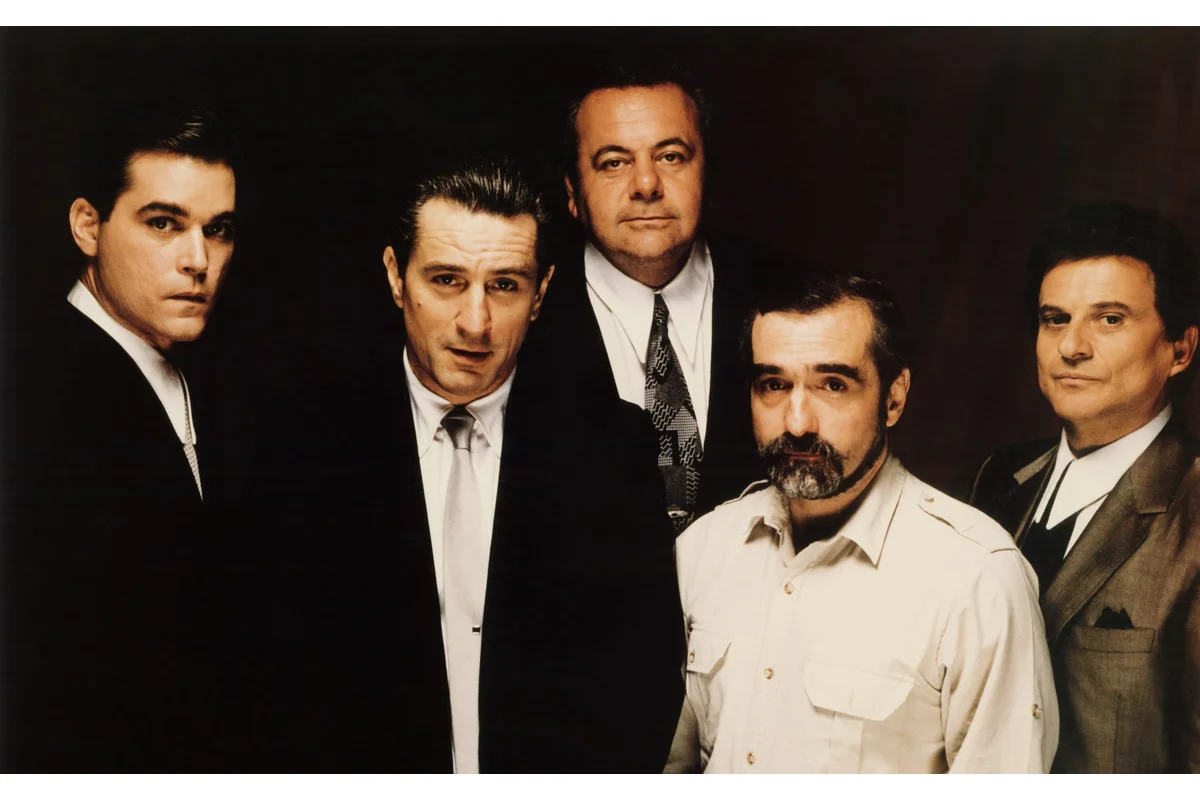
Conversely, a significant moment came in the late 1990s when De Niro signed on to play a mob boss facing a personal crisis. Naturally, he sought Scorsese’s direction, given their shared history with mafia-themed films. However, Scorsese declined the offer, recognizing it didn’t align with his artistic vision.
Why Scorsese Turned Down Directing “Analyze This”
Reflecting on this decision, Scorsese said,
“He wanted me to do Analyze This, and I said, ‘We already did it. It was Goodfellas‘. I talked to him about other projects, and at one point he said, ‘You know the kind of stuff I liked to do with you.’” – Martin Scorsese
This highlights the perceived overlap between “Goodfellas” and “Analyze This,” despite their vastly different approaches. Whereas “Goodfellas” is a sprawling, intense depiction of a gangster’s rise and fall within Italian–American organized crime, “Analyze This” offered a lighter, comedic take focusing on the relationship between De Niro’s character Paul Vitti, a mob boss, and his psychiatrist played by Billy Crystal.
Though “Analyze This” was successful enough to spawn a sequel, Scorsese did not feel compelled to revisit the gangster genre through this comedic lens. The depth and darkness of his earlier work in the genre were far removed from the humor-driven story of “Analyze This,” explaining why he opted out of directing the film.
The Significance of Their Later Projects Together
When Scorsese did return to mafia-centered films, he reunited with De Niro on his passion project “The Irishman.” This marked a triumphant return for both, cementing their status in film history. De Niro, deeply connected to Scorsese’s cinematic vision, saw no other director capable of handling such a demanding and personal story.
Their latest collaboration, “Killers of the Flower Moon,” continues to showcase the strength of their partnership, reminding audiences of the unique dynamic that has defined some of cinema’s most influential gangster narratives. Despite periods of separation and declined offers, the mutual respect and artistic understanding between Scorsese and De Niro endure, underscoring their enduring legacy in film.
