
Emerald Fennell has addressed the controversy surrounding her recent adaptation of Wuthering Heights, emphasizing the distinct difference between her film and Emily Brontë’s original novel. The film, featuring Jacob Elordi as Heathcliff and Margot Robbie as Catherine, has sparked debate due to its unconventional choices, leading Fennell to explain her creative intentions and why she chose to place quotation marks around the movie’s title. The keyword Emerald Fennell Wuthering Heights encapsulates this conversation about adaptation and interpretation.
Fennell’s Perspective on Adapting a Complex Classic
Emerald Fennell openly acknowledges the challenge of converting such a complex and layered novel into a film. In a recent interview with Fandango, she stated,
“You can’t adapt a book as difficult and complicated and difficult as this book,”
and clarified her position by adding,
“I can’t say I’m making Wuthering Heights. It’s not possible. What I can say is I’m making a version of it.”
This admission underlines her approach as a reinterpretation rather than a faithful retelling.
Fans familiar with the original text have pointed out numerous differences, including the film’s altered ending, Catherine’s unsettling ‘skin room’ constructed from visuals of Margot Robbie’s actual skin, and the reduced role of the Isabella Linton character. Fennell emphasized that these choices reflect her vision rather than a strict adaptation.
“There was a version I remembered reading that isn’t quite real,”
she said, continuing,
“And there’s a version where I wanted stuff to happen that never happened. And so it’s Wuthering Heights and it isn’t.”
Finding the Right Heathcliff and Artistic Inspirations
Although Fennell had long aspired to adapt the novel, her creative spark was ignited when she recognized Jacob Elordi’s unique qualities during their collaboration on the 2024 film Saltburn. She recalled,
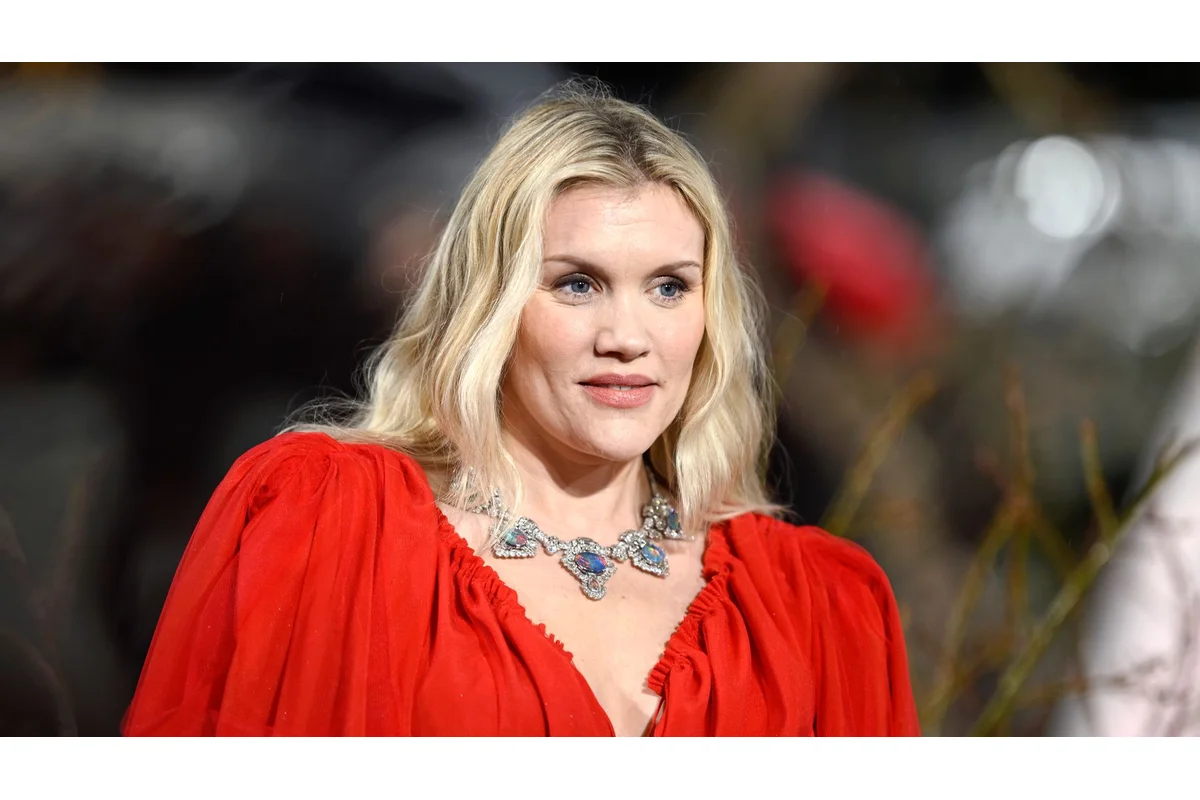
“Jacob was playing Felix in Saltburn and obviously in the mid noughties, the sideburn was quite a big moment,”
then added,
“When I first saw him in the haircut, I realized he looked exactly like the Heathcliff on my well, well worn copy of Wuthering Heights that I’ve had since I was a teenager.”
This moment shaped the casting, even as critics challenged the choice of Elordi, given the novel’s description of Heathcliff as dark-skinned. Scholars argue that Emily Brontë portrayed Heathcliff as Black, which has fueled debate on authenticity. Fennell responded to these concerns by noting,
“I think the thing is everyone who loves this book has such a personal connection to it, and so you can only ever make the movie that you sort of imagined yourself when you read it,”
adding,
“I don’t know, I think I was focusing on the pseudo-masochistic elements of it.”
Margot Robbie’s Interpretation of the Film
Margot Robbie, who also serves as a producer on the film, revealed she approached the project without prior familiarity with Brontë’s novel. She shared with Fandango,
“I hadn’t read the book before reading the script,”
emphasizing that the movie reflects Emerald Fennell’s emotional experience with the story rather than a direct adaptation. Robbie explained,
“This is Emerald making you feel the way the book made her feel when she read it when she was younger,”
highlighting the film’s intent to evoke a specific atmosphere and emotional resonance.
Showcasing Style on the Press Tour
Alongside these creative insights, Margot Robbie’s varied fashion choices during the Wuthering Heights promotional tour have caught attention. At the Sydney premiere on February 12, 2026, she returned to her Australian roots wearing a corseted, custom Ashi Studio Couture dress. Her London appearances included a custom Dilara Findikoglu outfit for the February 5 premiere and a vintage John Galliano ensemble at a photocall on February 4.
Robbie continued to demonstrate her style with a Dilara Findikoglu outfit en route to the BBC Radio Studios in London on the same day, followed by a custom Thom Browne look while posing with Jacob Elordi at Paris’s Sacré-Coeur on February 2. The Paris premiere also featured a Chanel ensemble, underscoring the dramatic themes of the film.
Her Los Angeles premiere on January 28 showcased a striking red Schiaparelli gown paired with a Cartier necklace, reflecting a high-fashion approach. She also wore Dilara Findikoglu during the January 28 photocall and chose Alexander McQueen’s SS26 Ready-to-Wear for a January 26 appearance on Jimmy Kimmel Live!
Additional standout looks included a Roberto Cavalli necklace styled by Andrew Mukamal, a Victoria Beckham SS26 Ready-to-Wear outfit, and a Markgong dress worn while posing with Charli XCX and Jacob Elordi on January 28. These varied selections punctuated the film’s intense release schedule and provided a bold visual narrative alongside the movie’s own provocative themes.
The Broader Implications of Fennell’s Adaptation Choices
Emerald Fennell’s adaptation of Wuthering Heights challenges expectations by prioritizing personal artistic vision over strict adherence to the source material. Her willingness to engage with the novel’s emotional core rather than its exact plot underscores the ongoing tension between traditional literary adaptations and contemporary reinterpretations. Given the passionate views from critics, scholars, and audiences alike, the film’s reception may continue to spark important discussions about identity, fidelity, and the nature of storytelling.
As the film settles into its place within the broader landscape of adaptations, Fennell’s approach offers a reminder that every reader—and filmmaker—brings their own perspective to classic works. The impact of her choices will likely prompt audiences to revisit Brontë’s novel with fresh eyes, reflecting on the diverse ways a single story can be experienced and expressed.
