
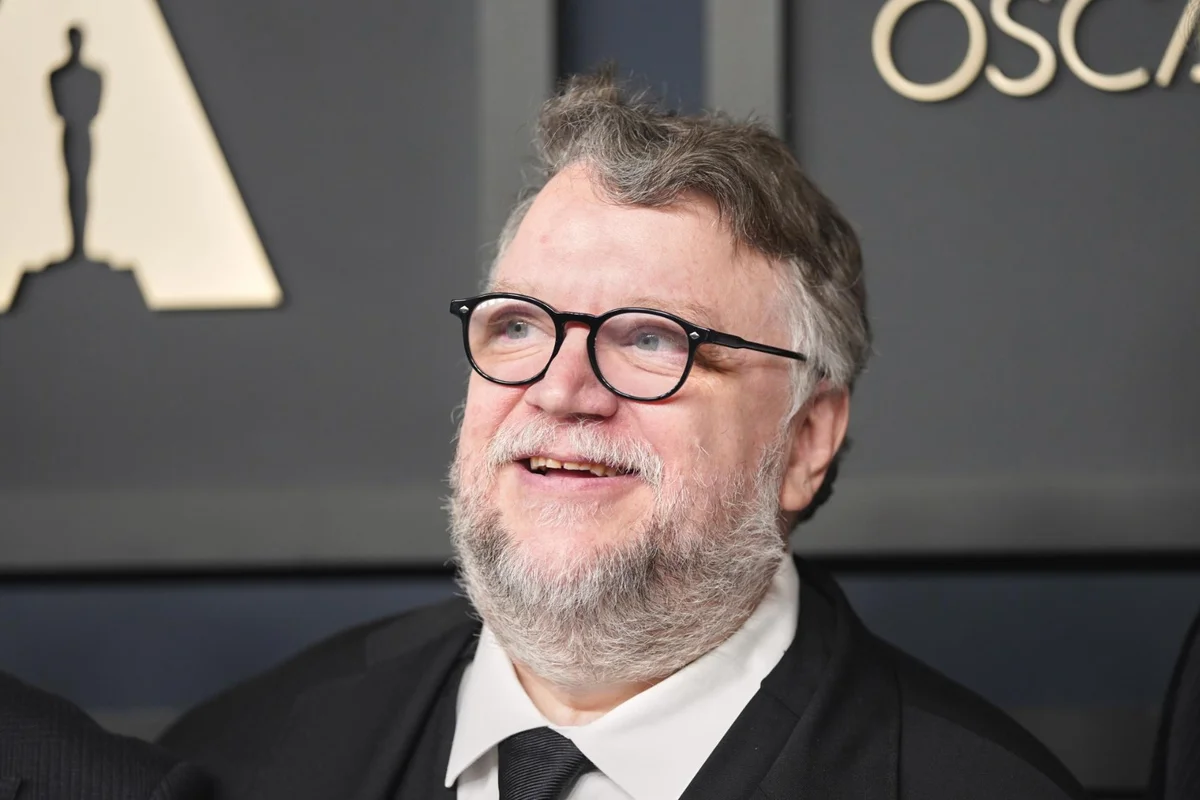
On February 7, the Directors Guild of America held an in-depth panel conversation with its nominees for Outstanding Directorial Achievement in Theatrical Feature Film at the DGA’s Los Angeles Theater, featuring Paul Thomas Anderson, Ryan Coogler, Guillermo del Toro, Josh Safdie, and Chloé Zhao. The nearly two-and-a-half hour discussion covered a wide range of topics related to filmmaking preparation and execution, highlighting Guillermo del Toro filmmaking insights that illuminated his unique approach.
Exploring Different Approaches to Film Direction
During the conversation, each director shared their personal methods and challenges. Paul Thomas Anderson spoke about listening to Cowboy Carter on the way to set. Guillermo del Toro described how the eyes of actors serve as his primary criterion when casting his ensemble. Josh Safdie revealed his documentary-style approach to filmmaking, while Chloé Zhao explained her techniques to awaken subconscious connections among her actors. Ryan Coogler detailed lessons learned from Sean Durkin on filming an actor portraying twins.
Paul Thomas Anderson’s Challenging Opening Scene Story
Paul Thomas Anderson recounted the difficulties of filming the opening sequence of One Battle After Another, which was to be set at the border near San Diego. He recalled,
“We had shot the opening sequence once and we didn’t really like the way that it went. We wanted to put it at the border by San Diego, right on the wall. We had done such a good job, the border patrol was so happy with us the first time around, when we went with Teyana [Taylor], they said that we could shoot on the wall and create a temporary internment camp under the freeway. And I said [to my crew], ‘How did you do this?’ And they said, ‘Do not ask. I don’t really know.’ And so we shot that opening sequence in three days just waiting for somebody to say, ‘You need to go away! What are you doing here?’”
Paul Thomas Anderson’s narrative revealed the uncertainty and tension involved in securing such a sensitive location for filming.
Unpredictable Moments During Filming at the Border
Anderson added another surprising moment from the shoot:
“Even to the point where we’re shooting fireworks off into Mexico. While we were shooting, we would watch people [and] I couldn’t tell our background extras from people who were really crossing the border. I’m not kidding. I was shooting a scene in a tiny little trailer and I saw a family walk by behind Teyana and I thought, ‘Well, the ADs let some extras walk through to go to the bathroom or something like that,’ but it was a family that was crossing the border. I don’t know what the hell happened there and I didn’t ask any questions. I still don’t know the answers. It’s still a great mystery to me, but securing that location was hard.”
His account depicts the intense reality and challenges faced while filming in a location rife with emotional and political tension.
Significance of Del Toro’s Filmmaking Perspectives
The insights shared during this conversation emphasize the artistry and complexities behind filmmaking, particularly from someone like Guillermo del Toro, whose focus on actors’ eyes as a casting metric reveals a deeply emotional approach. The range of techniques from documentary styles to subconscious actor connections highlights the personal and often difficult journeys these directors undertake to tell compelling stories. As the industry continues evolving, such candid discussions provide valuable perspectives on the realities behind movie-making, reflecting the emotional and logistical struggles behind acclaimed films.
