
Hugh Grant, well known for his awkward charm and iconic roles, has quietly expressed frustration with much of his filmography, especially regarding one movie he refuses to address. Throughout his career, the British actor has openly criticized various performances, but remains particularly regretful about his 1995 film, Nine Months. This candid admission reveals some of the struggles behind the scenes of a career marked by immense success and typecasting.
The Actor’s Mixed Feelings About His Career Roles
Grant has experienced a recent revival in his career while simultaneously being critical of many films that defined his early success. Although he skyrocketed to fame in the 1990s as the quintessential awkward leading man in romantic comedies, he has expressed disdain for some of those roles. For example, despite agreeing to the part, Grant declared he
“couldn’t have hated the whole thing more”
about his role as a CGI-enhanced Oompa Loompa in Paul King’s Wonka.
Furthermore, Grant admitted he cultivated a public persona that exaggerated his Four Weddings and a Funeral character, telling American audiences an act he later regretted. This self-imposed typecasting contributed to his frustrations with how he was perceived in Hollywood, blaming himself for the image he created.
The Untouchable Regret: Nine Months
Among Grant’s many criticisms, one film stands above the rest as a source of lasting regret: Nine Months. When asked about it during a career retrospective with SAG-AFTRA, the actor was visibly uncomfortable, brushing past the subject quickly.
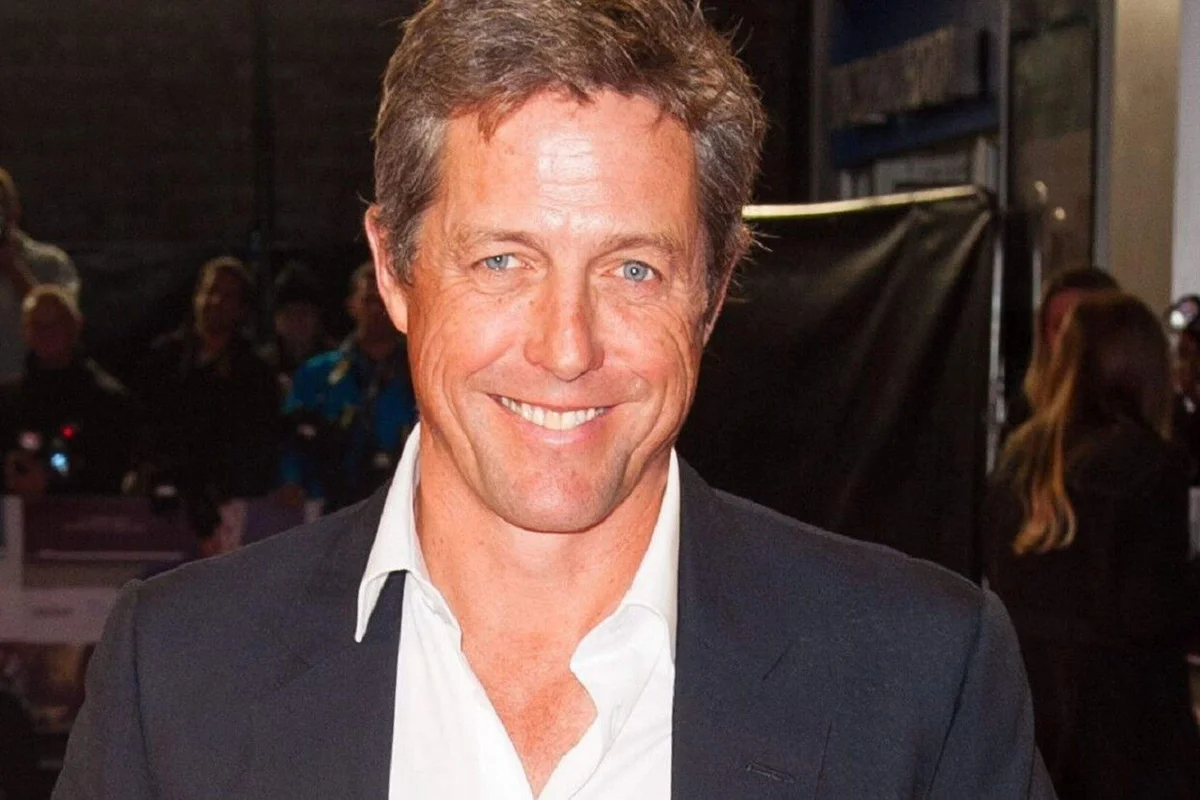
“Well, I don’t talk about that film,”
he admitted.
“I might have been on a lot of drugs during that one, too. You would have had to be on an awful lot of drugs. They were really nice people, terrific filmmakers, and they’ve made lovely films. I ruined it.”
Directed by Chris Columbus, Nine Months is an American remake of a French film, featuring Grant as a reformed womanizer and child psychologist facing commitment anxiety when his girlfriend becomes pregnant. The story revolves around his character’s journey from avoidance to acceptance, spiced with typical comedic moments.
Grant’s Own Assessment of His Performance
Grant doubled down on his self-criticism, insisting,
“I really ruined it. And it was entirely my fault. I panicked. It was such a big jump up from what I’d been paid before to what they were offering me, and the scale was inhuman to my standards. And I just tried much too hard, and I forgot to do the basic acting things, like mean it.”
Reflecting on the film and his performance, he lamented,
“I pulled faces, and I overacted, and it was a shocker. Move on.”
Even after three decades, this role remains a sore spot for Grant, demonstrating the lasting emotional impact that one project can have on an actor’s career and self-image.
Why This Moment Matters in Grant’s Career
This admission provides a glimpse into the pressures faced by actors transitioning from indie or smaller projects to mainstream studio films, especially when their public image is tied to specific roles. Grant’s shame over Nine Months reveals how professional challenges and personal doubts can coexist with critical and commercial success. It also highlights the complexity of his relationship with fame, public expectation, and artistic fulfillment.
As Grant continues to redefine his career and legacy, such reflections may inform both the roles he chooses and how audiences perceive his body of work. While some films remain sources of pride, others, like Nine Months, serve as painful reminders that not every venture meets the actor’s standards or expectations.
