
Hugh Jackman’s latest film, Song Sung Blue, is now available to stream on Peacock and has quickly risen to the top of the platform’s most-watched movies list. The story follows two struggling musicians, played by Jackman and Kate Hudson, who create a Neil Diamond tribute band, highlighting themes of love, hope, and chasing dreams. A key question fans have asked is whether Jackman and Hudson actually perform the songs themselves, and the answer is yes—Jackman’s real singing can be heard in the film, delivered live on set.
Live Performances Capture Realistic Musical Moments
The film’s director Craig Brewer insisted on authentic musical performances, which meant Jackman and Hudson sang live during filming rather than lip-syncing to pre-recorded tracks. This approach was chosen to create the intimate atmosphere of a pub setting and bring genuine emotion and spontaneity to the scenes.
We sang live too, because, you know, obviously this is a movie with music, not a musical. So all the performances are somewhere on stage. And it had to feel like they’re really in a pub. I just love it when you laugh in the middle of a song, and obviously we hadn’t recorded, [Craig Brewer, director] was using both, he was cherry picking,
Hugh Jackman said in a discussion with Kate Hudson for Collider.
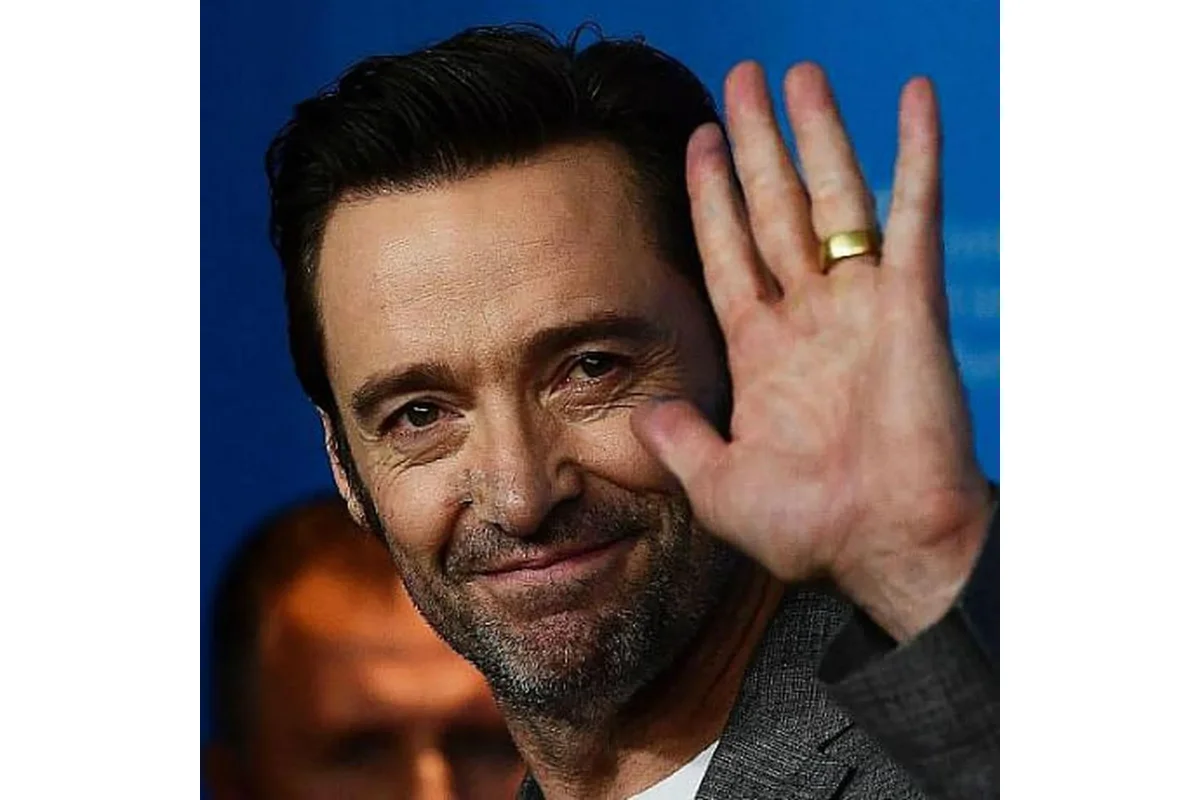
Hugh Jackman’s Musical Background and Career Highlights
Hugh Jackman’s ability to sing live is rooted in his extensive history as a performing artist. Though initially trained as an actor, Jackman’s journey in singing began with his first major musical theater role as Gaston in Beauty and the Beast. He revealed that he learned to sing on the job, taking singing lessons as part of his contract for the role.
My first job in a musical was Beauty and the Beast. I played Gaston, I was 26, and in my contract, they were paying for me to have a singing lesson because I had never had a singing lesson in my life. I really learned singing on the job,
Jackman told Billboard.
Jackman also described how singing illuminated his acting skills during his training, particularly through a performance of “Anthem” from Chess. This moment helped him connect emotionally with a character and unlocked a new understanding of acting through music.
Having said that, I always thought of myself as an actor, but my breakthrough as an actor happened in the second year of a three-year acting course, and it was while I was singing a song. I was doing ‘Anthem’ from Chess, and my acting teacher kept saying to me, ‘I feel like you’re standing outside your character, you’re just outside.’ I didn’t really know what he meant. But as I started singing that song, it was through song that I understood acting. I really connected with the lyrics. That’s when I understood the power of it, and it’s been such an incredible journey. Oklahoma, Carousel, whatever it is that I’ve done — I’ve always felt connected to it as an actor but somehow felt free through the singing of it.
A Celebrated Performer on Stage and Screen
Jackman’s commitment to music is evident through his celebrated stage performances. In 2004, he won a Tony Award for Lead Actor in a Musical for his portrayal of Peter Allen in The Boy From Oz. He later embarked on a world tour titled The Man. The Music. The Show. in 2019 to perform songs from The Greatest Showman: Original Motion Picture Soundtrack and other Broadway and Hollywood hits. Though he has never released a solo album, his voice appears on multiple soundtracks including those for Happy Feet, Les Misérables, and Fly, with songs inspired by the film Eddie the Eagle.
Co-Star Praise Adds Depth to the Film’s Musical Story
Beyond his own performance, Jackman has spoken appreciatively about Kate Hudson’s singing on Song Sung Blue, underscoring the strong musical chemistry between the lead duo. Their collaboration brings authenticity and heart to the tribute band they portray, enhancing the film’s emotional resonance.
Significance of Authentic Music in Film Storytelling
Jackman’s real singing in Song Sung Blue reinforces the film’s dedication to portraying musicianship with sincerity and immediacy, setting it apart from typical movie musicals that rely on studio recordings. This choice allows audiences to experience the joy and vulnerability of live music, emphasizing the film’s hopeful message that it’s never too late to find passion and connection. The success of the movie on Peacock also suggests a growing audience appreciation for more genuine musical storytelling in cinema.
