
Stephen King has consistently delivered stories that translate into highly anticipated adaptations, with at least one new film based on his work appearing annually except for 2008. Among these, the 2016 adaptation of Cell—featuring John Cusack and Samuel L. Jackson—stands out as a movie King personally believes is unfairly overlooked. Centered on a mysterious signal that transforms cell phone users into zombie-like creatures called the Phoners, the film follows Clay Riddell, a struggling artist who strives to save his family and others affected by the crisis.
In a conversation with Yahoo Movies, King expressed bewilderment at the negative reviews the film received. He highlighted the performances of Cusack and Jackson, calling them eccentric and remarkable.
“I frankly never understood why people didn’t like Cell, because to me that was a terrific, eccentric movie with some really eccentric, strange performances in it. John Cusack at his best, and Samuel L. Jackson is terrific,”
King stated.
Despite these strong performances, Cell was released straight-to-video and was met with mostly unfavorable criticism. Holding an 11% score on Rotten Tomatoes, it is often classified among the weakest Stephen King adaptations. Critics pointed to a lack of suspense and an overreliance on zombie clichés instead of fully exploring the novel’s themes. Still, King acknowledged the actors’ work positively: Jackson brings solid support, elevating his co-stars, while Cusack immerses himself fully in his role. Reflecting on the film’s place in his eyes, King added,
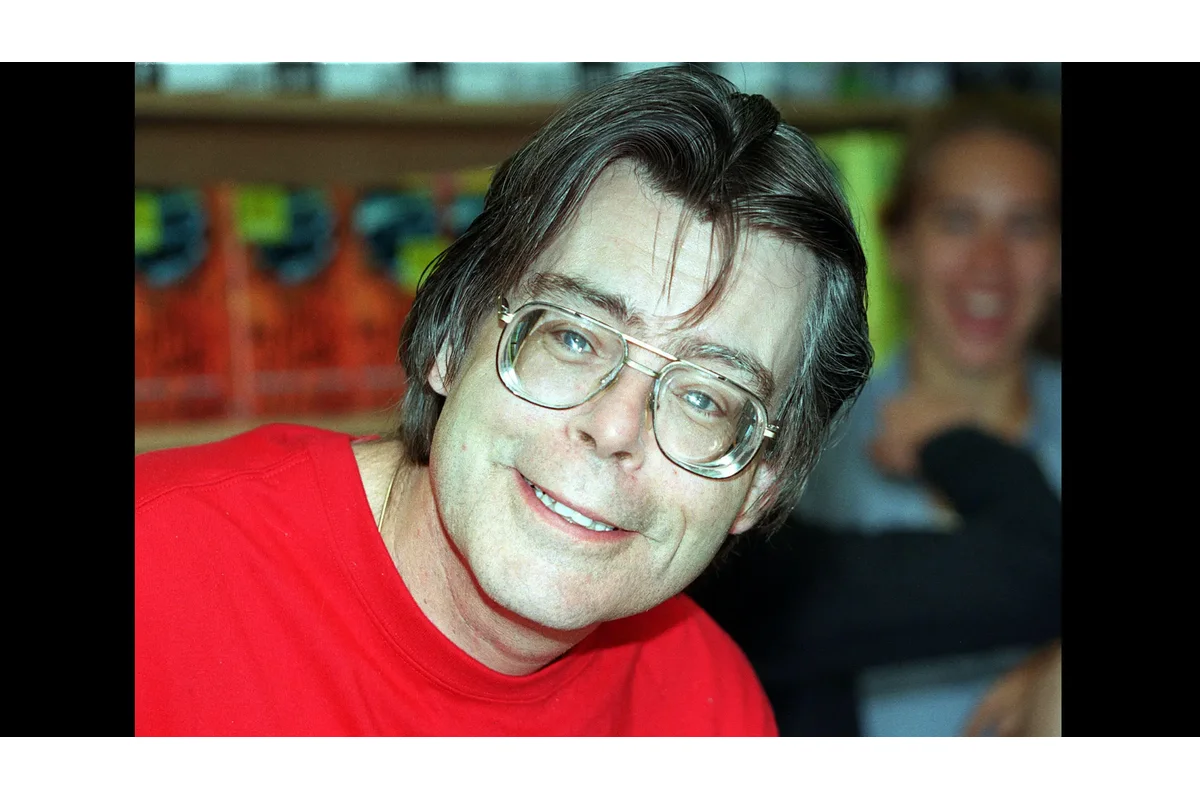
“But I’m one of the people where the worst movie I ever saw. I thought it was f–king great! So, you know, even things like Robot Monster when I was a kid, I thought, ‘Oh man, that’s great!’”
The Unique Merits and Flaws of the Cell Adaptation
The film opens with a gripping sequence where Clay’s phone battery dies just before a deadly signal spreads, sparing him from becoming a Phoner. Subsequent scenes depict chaos: people become violent under the signal’s influence, with disturbing imagery such as a girl repeatedly hitting her head and violent confrontations erupting on planes and in public spaces. However, while the opening impresses, the conclusion falls short for many viewers. Changes such as turning the Raggedy Man from a symbolic presence in the novel into a physical antagonist in the film have drawn criticism for weakening the story’s impact.
One element behind the film’s uneven execution involves its turbulent production. Eli Roth, known for the Hostel series, was initially attached to direct after finishing Hostel: Part II in 2008. Roth left the project due to disagreements over the studio’s direction and his preference for original narratives. His departure arguably left the film without the cohesive vision it needed, despite his demonstrated skill during that era.
Why Cell Deserves Appreciation Despite Its Flaws
Even with its shortcomings, Cell offers unique contributions to the zombie genre. Unlike many stories that explain their creatures through viruses or supernatural forces, this film bases the menace on technology—specifically cell phones—adding a relevant and cautionary dimension to the narrative. This approach not only entertains but also reflects contemporary anxieties about communication and connectivity.
Furthermore, the movie effectively captures various human emotions and behaviors expected during a crisis. It portrays fear, survival instincts, and resilience, making it a compelling watch for viewers interested in how people respond under pressure. Given these qualities, those who have yet to experience the film may find value in giving it a second look.
Cast and Key Contributions
The film stars Ethan Andrew Casto and Clark Sarullo alongside established talents like Isabelle Fuhrman, Samuel L. Jackson, and John Cusack. Jackson’s performance, while not reaching the iconic heights of his other roles, brings a grounded presence that enhances the story. Cusack’s portrayal of Clay provides the narrative’s emotional core as a man fighting to reconnect with his family amidst unfolding chaos.
Ultimately, the Stephen King Cell adaptation stands as a polarizing entry in the author’s vast cinematic catalog—one that sparks debate about the balance between artistic ambition and execution.
