
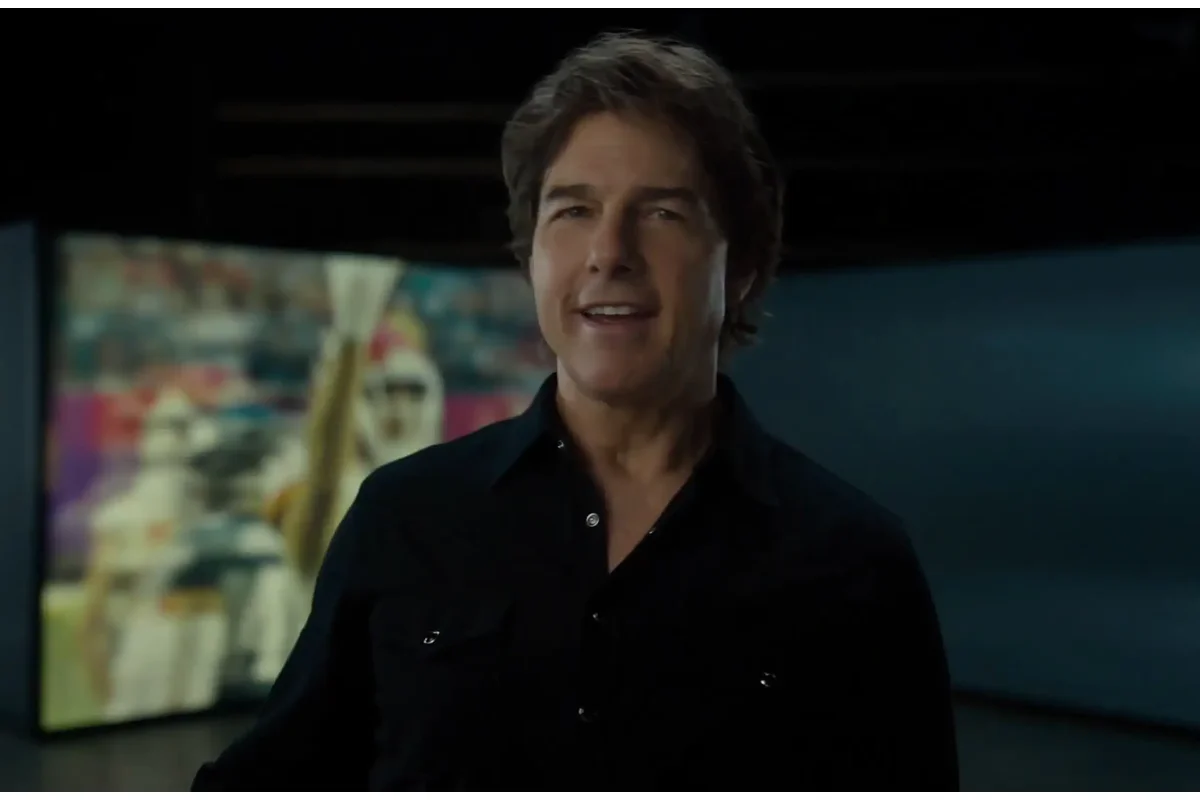
A controversial AI-generated video featuring Tom Cruise and Brad Pitt engaged in a fight has ignited a strong backlash across Hollywood. The clip, created by Irish filmmaker Ruairi Robinson using ByteDance’s Seedance 2.0 video generation model, surfaced on social media, raising concerns over the unauthorized use of real actors’ likenesses. This development marks another chapter in the ongoing Tom Cruise AI video controversy, highlighting the challenges posed by emerging deepfake technologies.
Technology Behind the Viral Video and Its Limitations
ByteDance, the Chinese company behind the Seedance 2.0 model, enables users to generate fictional videos of real people with brief prompts. The firm is also known for owning TikTok globally, though it recently sold its U.S. stake to Oracle, MGX, and Silver Lake. While the Pitt-Cruise video draws widespread attention, it still features noticeable flaws; close-up shots reveal an uncanny valley effect where the AI-generated faces, particularly Brad Pitt’s, appear unreal and dreamlike, with strange blending effects on the skin.
A recent CNET survey found that 94% of American adults acknowledge encountering “AI slop” on social platforms, though only 44% feel confident distinguishing between real footage and AI fabrication. This uncertainty fuels anxiety about the proliferation of artificially generated content, especially when it involves high-profile figures like Cruise and Pitt.
Controversial Dialogue and Spreading Conspiracy Theories
The AI-generated video contains a heated exchange where the actors’ digital replicas argue over an alleged assassination plot linked to Jeffrey Epstein, the infamous convicted sex offender whose ties to influential people have long sparked speculation. Millions of pages of redacted documents in the Epstein case continue to emerge from the U.S. Department of Justice, feeding conspiracy theories that the video exploits. This adds a layer of controversy, demonstrating how AI visuals can be weaponized to spread misinformation.
Hollywood’s Unified Response Against Unchecked AI Use
The film industry has responded aggressively to the viral AI video and the broader implications it carries for actors and copyrighted material. Both studios and labor unions are standing together to resist the normalization of AI-generated content that uses their members’ likenesses without consent.
The Motion Picture Association (MPA) officially demanded that ByteDance halt “immediately” its unauthorized activities related to Seedance. Similarly, SAG-AFTRA, the union representing actors, condemned Seedance’s video generation methods, warning they could threaten performers’ livelihoods by exploiting their faces, voices, and likenesses without permission.
“Seedance 2.0 disregards law, ethics, industry standards and basic principles of consent,”
SAG-AFTRA stated in their official letter.
Efforts to obtain comments from MPA and SAG-AFTRA representatives were unsuccessful at the time of reporting.
Expansion of AI-Created Clips Featuring Other Iconic Characters
Seedance 2.0 users have also produced AI videos depicting other well-known figures, including lightsaber battles between Star Wars characters and fights involving Marvel superheroes Spider-Man and Captain America. These creations prompted Disney to issue a cease-and-desist order to ByteDance, accusing the company of copyright infringement as reported by the BBC.
ByteDance declined to provide a detailed comment to CNET but told the BBC:
“taking steps to strengthen current safeguards as we work to prevent the unauthorized use of intellectual property and likeness by users.”
Platform Updates and Future Challenges for AI Content Regulation
In response to the backlash, ByteDance updated Seedance to prohibit users from uploading real people’s images for AI video generation. However, questions remain about the effectiveness of this measure, especially since fictional or masked characters like Spider-Man or Mickey Mouse remain outside these restrictions.
As artificial intelligence continues to generate increasingly realistic but flawed imitations of cultural icons, legal battles over intellectual property and personal likeness rights are expected to intensify. The Tom Cruise AI video controversy signifies only the beginning of a broader, complex conflict over how AI technology intersects with entertainment, privacy, and the law.
