
Robert Pattinson, best known for his role as Edward Cullen in the Twilight series, recently discussed the profound effect sudden fame had on his sense of self. The Twilight movies, adapted from Stephanie Meyer’s bestselling novels, became a worldwide cultural phenomenon in the late 2000s, catapulting Pattinson to instant stardom. Now 39 years old, the actor reflected on the challenges of separating his personal identity from the character he portrayed, revealing the complexities behind the Robert Pattinson Twilight fame experience.
During an interview with Interview Magazine, Pattinson explained how the simultaneous adoration and backlash Twilight attracted created a unique environment for him. He described how he enjoyed filming the movies but also had to navigate the massive marketing forces behind the franchise without losing his individuality.
Navigating Public Perception and Cultural Backlash
While Twilight achieved remarkable success, it also received a notable cultural pushback, which Pattinson had to manage alongside the widespread popularity. This dual response shaped his approach to fame and identity, as he sought to prevent his personal self from merging entirely with his on-screen persona. The actor stated,
“When I was doing Twilight, there was such a cultural pushback against it, almost simultaneous to its success, so I kind of had to ride both things. I really enjoyed making the movies, but then there was such a huge marketing push behind it as well. I didn’t want to get my personal identity caught up in that, so I tried to push forward my individuality a little, and that kind of stuck with me. It was also interesting getting famous off of playing a part—people thought I was that character in the beginning.” — Robert Pattinson, Actor
Despite the fervent fans who embraced characters like Edward Cullen and the #TeamEdward movement, fierce critics also emerged. Pattinson was keen on emphasizing that his identity was distinct from the role that made him famous. This ongoing struggle to carve out his own space beyond Edward highlighted the contrast between public expectation and personal reality.
Using Public Expectations to Shape His Artistry
Pattinson reflected on how the public’s perception of him influenced his character development, allowing him to creatively engage with fans’ assumptions. He shared his perspective on not letting the character’s identity overshadow his own, which gave him room to experiment with his artistry.
“It was quite strange, but it also allowed me to push against it. Also, I wasn’t precious about that identity because it wasn’t my identity to begin with. It’s interesting to use the public perception of you as part of your character development, because you’re like, ‘I assume at least a few people in the audience are going to be expecting this,’ so you can make it more dramatic.” — Robert Pattinson, Actor
This mindset helped Pattinson navigate his career following Twilight’s end, where he pursued eclectic roles that diverged significantly from Edward Cullen’s persona, showcasing his versatility beyond the blockbuster vampire saga.
Balancing Public Identity and Private Reality
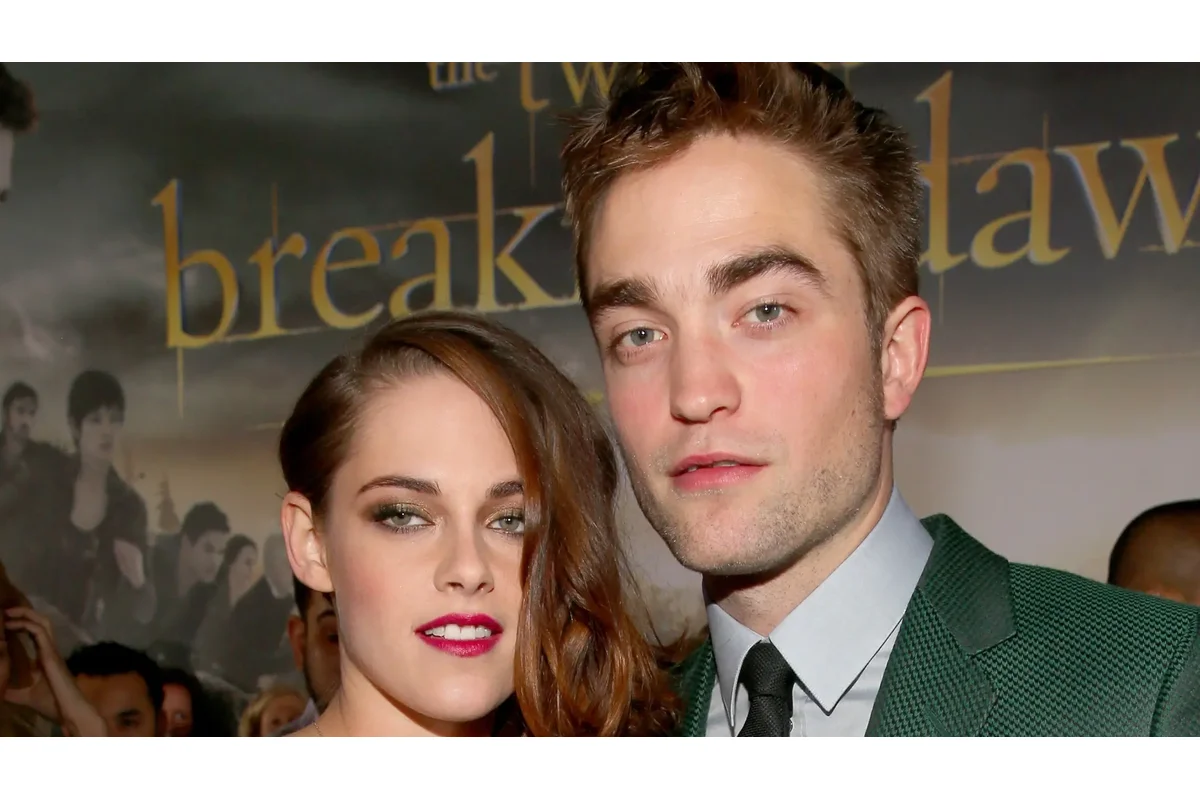
Part of the confusion about Pattinson’s public identity stemmed from his highly visible offscreen relationship with Twilight co-star Kristen Stewart. Fans maintained interest in their romance years after their breakup, which intertwined with the characters they played on-screen. Pattinson elaborated on the fluid nature of personal identity amid public scrutiny, expressing a unique outlook on selfhood.
“But at the same time, you never really know what people are thinking. A lot of people are very protective of, ‘This is who I am, this is my identity,’ and I’ve never really felt that. Part of me is very certain of who I am, but I don’t feel it’s odd to just wake up one day and just be a different person. [Laughs] I think it’s positive insecurity.” — Robert Pattinson, Actor
His willingness to embrace change and avoid being confined by a fixed identity contributed to his ability to transition from teen heartthrob to mature actor. This fluid approach to selfhood contrasts with the rigid identity fans often expect from public figures.
Career Evolution and Ongoing Success
Since completing the Twilight saga, Robert Pattinson has broadened his body of work to include independent films and diverse roles, allowing him greater creative freedom. His transformation into an indie favorite culminated in his casting as the title character in Matt Reeves’ highly anticipated DC film, The Batman. This role marks a significant new chapter in his career and further distances him from his Twilight roots.
Pattinson’s journey exemplifies how actors can redefine themselves despite early typecasting, demonstrating resilience amid intense fan and media attention. The Twilight movies remain accessible to new audiences through streaming on HBO Max, where both longtime fans and newcomers can revisit the franchise. Meanwhile, Robert Pattinson continues to build momentum with projects like The Batman sequel and the upcoming dramatic film starring Zendaya, scheduled for release in 2026.
Ultimately, Pattinson’s reflections reveal the complexities behind sudden fame and the enduring challenge of maintaining a personal identity amid public expectations shaped by a beloved character. His story resonates with many actors who struggle to step beyond the roles that launch their careers, underscoring the ongoing negotiation between art, persona, and selfhood.
