
Actor Zachary Levi recently expressed serious concerns about the rapid advancements in artificial intelligence and its potential to surpass traditional movie studios. Speaking in early 2026, Levi highlighted the disruptive force AI could become in filmmaking, urging the industry and audiences to pay close attention to this emerging technology. His insights come amid growing debates on how AI-generated content might redefine creativity and studio power dynamics.
Frustrations with Industry Dynamics and Recent Career Moves
Zachary Levi has faced ongoing challenges in his film career, marked by tensions within the DC Universe franchise. While Black Adam, portrayed by Dwayne Johnson, and other classic villains like Dr. Sivana and Mr. Mind have been critical characters, the rivalry between Johnson’s Teth Adam and Levi’s Shazam has been notably contentious. Johnson’s apparent reluctance to collaborate with Levi, choosing to work with Henry Cavill instead, fueled speculation and disappointment among fans, especially with Levi’s “Shazam 2” releasing shortly after Johnson’s film.
Levi publicly displayed his dismay following the underperformance of “Shazam 2,” even sharing emotional moments on social media. These setbacks were compounded by his involvement in the adaptation of “Harold and the Purple Crayon,” a project criticized for its misguided execution. Levi’s shifting public persona into political advocacy, including support for RFK Jr. and plans for a politically charged production studio, have further complicated his standing within Hollywood.
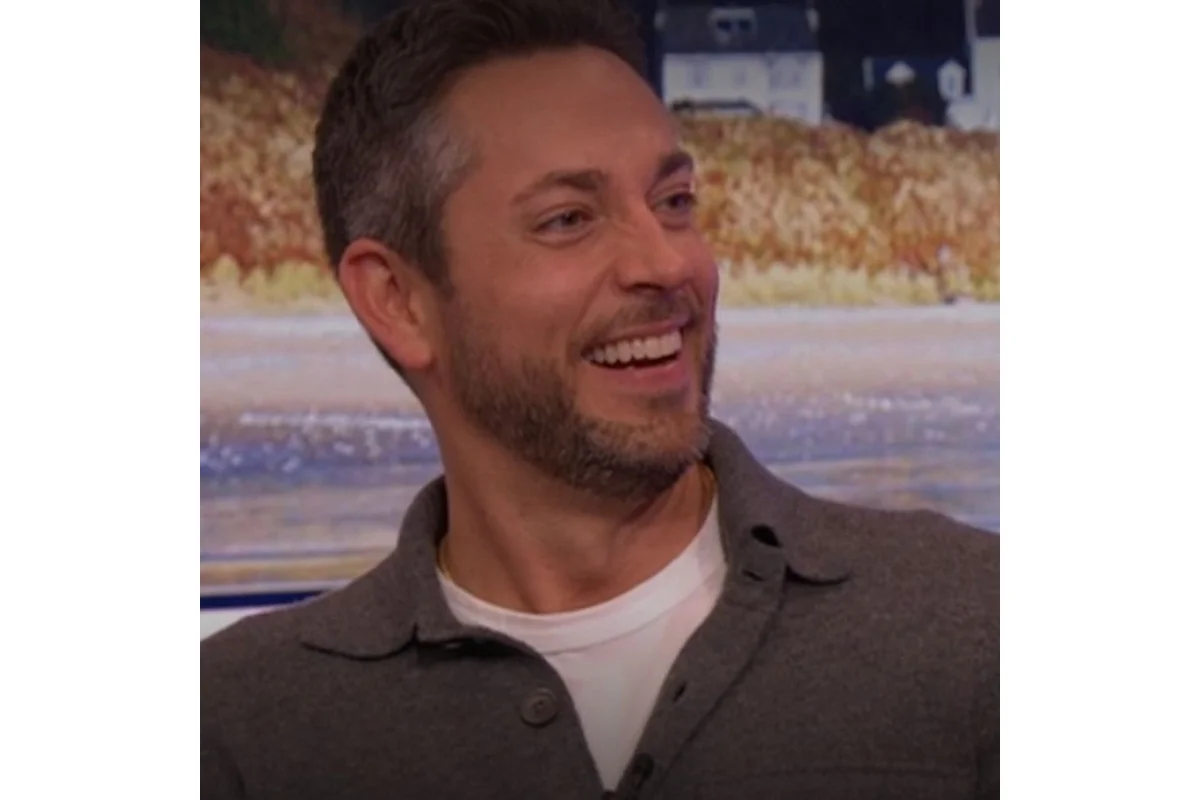
Zachary Levi’s Warning About AI’s Growing Influence
Levi’s current focus centers on generative AI technology and its implications for creative industries. Rather than categorizing AI as inherently positive or negative, he cautions that this technology could soon outperform established movie studios in content creation and production. On social media, Levi shared a short AI-generated clip depicting a woman fleeing a fantastical assault in a generic New York City setting, engaging with figures such as Kash Patel and the President, and driving a futuristic Cybertruck. Despite the clip’s lackluster quality, Levi framed it as a glimpse of AI’s potential.
Many industry observers see the clip as underwhelming, highlighting issues like the “uncanny valley” and raising doubts about AI’s current storytelling abilities. Yet, Levi’s broader argument emphasizes that AI tools will empower creators who understand the craft, while those lacking artistic insight might misuse technology, resulting in poor content.
The Future of Film Studios in an AI-Driven World
Levi’s warnings underscore the importance of acknowledging AI’s imminent role in shaping filmmaking and entertainment. He suggests that studios and creators must either adapt to or harness this new paradigm to stay relevant. Meanwhile, critics and fans alike speculate on whether Levi will incorporate AI technologies into his stalled studio ventures, potentially pioneering a fully AI-driven production house to rival traditional studios.
As AI continues to evolve, its influence could reshape the dynamics of storytelling, production, and even franchise control, much like the power struggles previously seen in the DC Universe. Levi’s call to action highlights a crossroads for the industry: embrace AI’s disruptive potential or risk being outperformed by it in the near future.
