
Chris Hemsworth’s portrayal of Thor in the Marvel Cinematic Universe (MCU) has evolved dramatically over the past decade, making the character a vital component of Marvel Studios’ success. As Thor MCU future stories continue to develop, Hemsworth has confirmed that he will appear in several more films beyond the current multiversal events, promising further exploration of the God of Thunder’s narrative depth and complexity.
Chris Hemsworth Confirms Further Appearances Beyond Avengers: Doomsday
Recently, Chris Hemsworth dispelled rumors about an imminent end to his role as Thor during the Smartless podcast, sharing that his journey in the MCU will extend through at least a couple more projects after Avengers: Doomsday. This revelation indicates Marvel Studios and Kevin Feige’s plans to continue Thor’s storyline past Avengers: Secret Wars, which is expected to reset the Sacred Timeline. While Marvel has already adapted significant arcs like Ragnarok and The Mighty Thor, many prominent comic book stories featuring Thor remain unexplored and ripe for future adaptation.
Exploring Thor’s Dark Origins in “Ages of Thunder”
“Thor: Ages of Thunder,” written by Matt Fraction with art from Patrick Zircher and Khari Evans, is a notable Marvel Comics series that digs into the ancient and brutal history of Asgard. Unlike the more heroic version seen in the MCU so far, this storyline portrays Thor as an arrogant figure who often challenges the authority of Odin, the All-Father. The narratives, including companion pieces like “Thor: Reign of Blood” and “Thor: Man of War,” delve into the repetitive cycles of war and tragedy that define the godly existence. These comics present Thor not as a straightforward hero but as a raw and terrifying force of nature, grappling with the weight of godhood across eons.
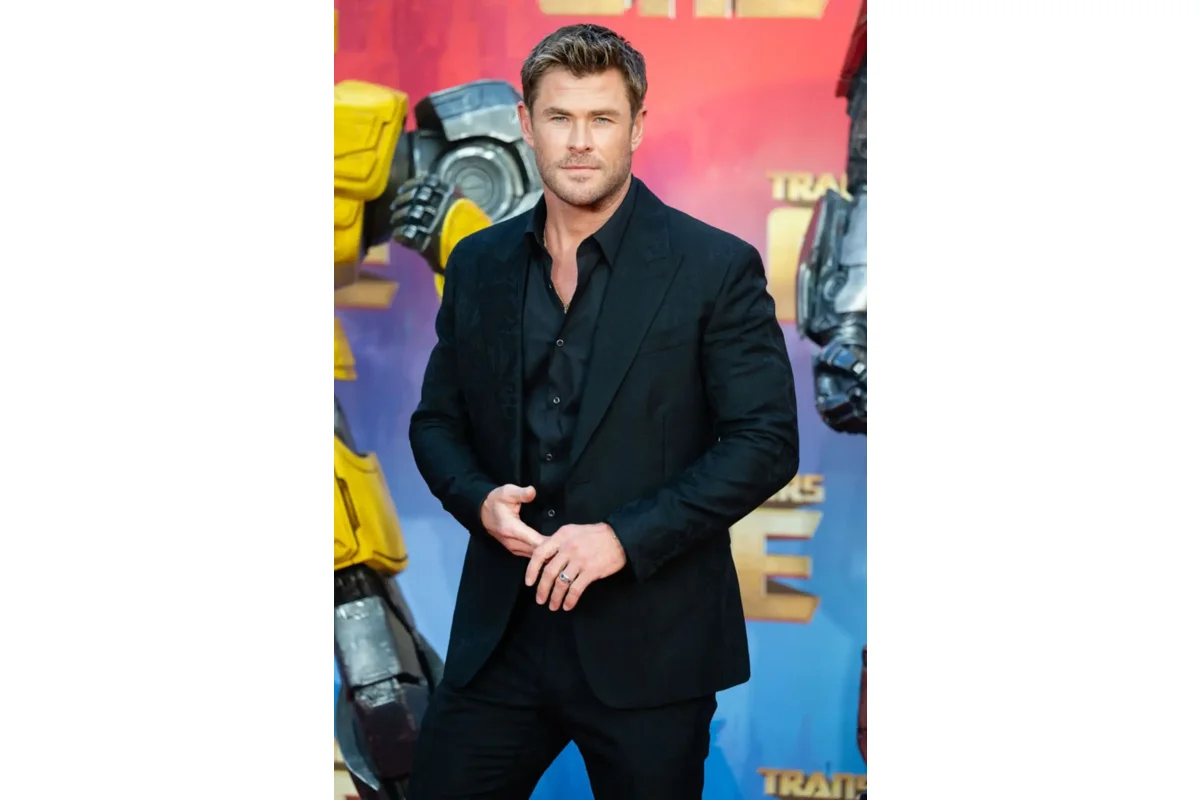
This darker and more intense approach to Thor could bring a fresh perspective to the MCU, especially since Chris Hemsworth has expressed interest in exploring new tones for the character. An adaptation of the “Ages of Thunder” tales could examine the origins of the Aesir-Vanir conflicts or the ceaseless battles against the Frost Giants, offering viewers a story that breaks away from current continuity and highlights the brutal legacy of Norse mythology.
The High-Stakes Threat in “Fear Itself”
The 2011 comic event “Fear Itself,” also written by Matt Fraction and illustrated by Stuart Immonen, represents one of Thor’s most intense and personal trials. It focuses on the emergence of the Serpent, the long-banished brother of Odin and the embodiment of fear for the Asgardians. Upon release, the Serpent arms various Marvel heroes and villains with enchanted hammers, transforming them into “The Worthy,” fearsome entities feeding off global terror and chaos.
This storyline is crucial for Thor as it forces the God of Thunder to confront a powerful family secret and the underlying instability of Odin’s rule, with the fate of the World Tree hanging in the balance. The MCU could notably benefit from introducing this storyline, as its themes of primordial fear and existential threat offer an intense and chilling expansion of the franchise’s darker side. The emotional stakes become deeply personal as Thor faces off against an ancient uncle, combining high-stakes action with intricate family drama that threatens both Earth and Asgard.
The Clash of Gods and Politics in “Siege”
“Siege,” published in 2010 and written by Brian Michael Bendis with artwork by Olivier Coipel, serves as a pivotal story within the Dark Reign era. It portrays a catastrophic confrontation between human politics and divine beings when Norman Osborn and his Dark Avengers launch a massive assault on Asgard, which at this time floats as an independent city above Broxton, Oklahoma. Manipulated by Loki, Osborn’s unstable vendetta aims to portray the Asgardians as national security risks, inciting a brutal armed conflict.
This arc is significant because it explores the tension between gods seeking sanctuary and the laws of the modern world that do not easily accommodate their presence. For the MCU, adapting “Siege” could bring a powerful conclusion to the New Asgard chapter, transforming the setting from a peaceful fishing village into a contested battleground for global powers. The story also introduces the terrifying Sentry and his dark alter ego, the Void, who provide Thor with a formidable opponent matching his immense powers.
Fans of Thor and the MCU have been eagerly debating which classic Thor comic arc should be adapted next, given these options offer very different tones and story depths. These potential adaptations stand to significantly influence the direction of Thor MCU future stories by deepening the complexity and stakes surrounding the God of Thunder’s ongoing journey.
