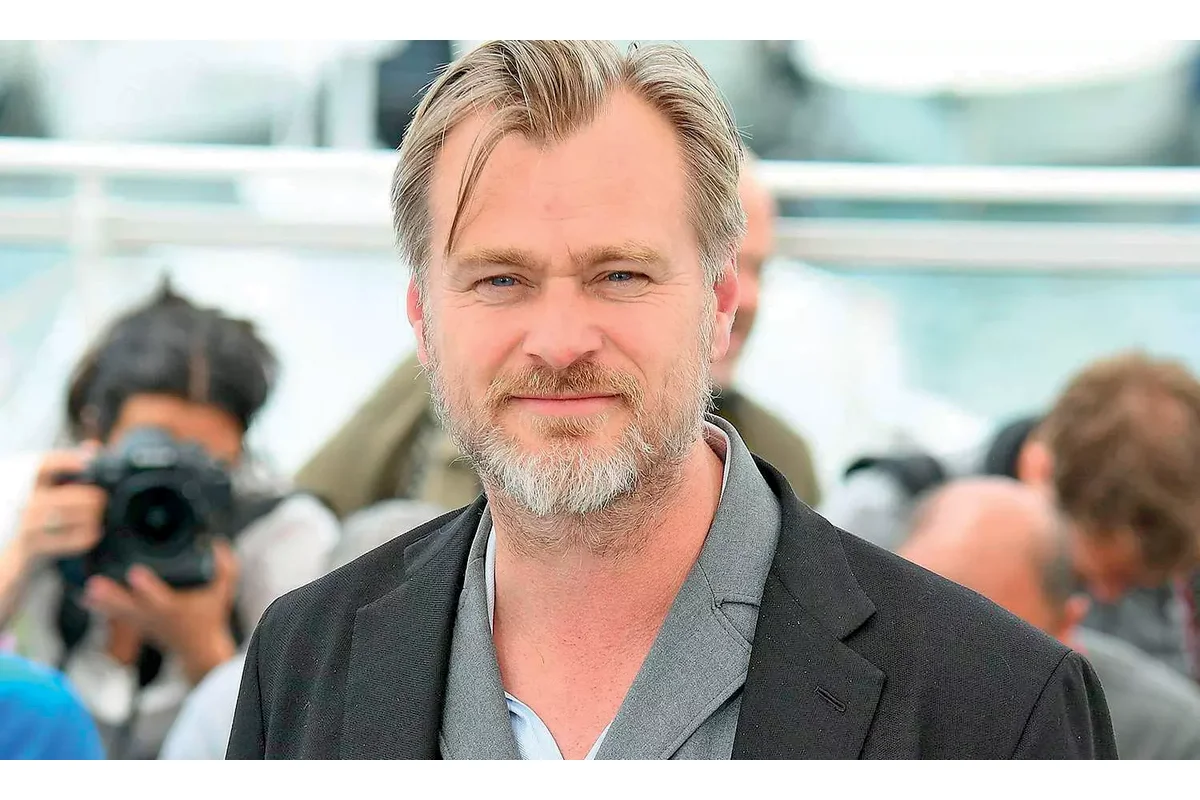
Christopher Nolan’s Interstellar evolution blends science with emotion. [Image Source: LADBIBLEGROUP]
When Interstellar premiered in 2014, it quickly became recognized as one of Christopher Nolan’s most acclaimed films. However, before Nolan took over, the project was initially under the guidance of Steven Spielberg. Nolan recently shared details about how the film transformed creatively once Spielberg stepped aside, highlighting the key developments behind the scenes.
In a Q&A event with actor Timothée Chalamet at an IMAX 70mm screening in Los Angeles, Nolan reflected on the film’s long journey from concept to completion. He explained that the original idea came from physicist Kip Thorne, who pitched a science fiction story grounded in authentic scientific principles to Spielberg and Paramount.
Scientific Roots and Initial Development
The core concept remained faithful to its scientific foundation throughout the development. Nolan described the project as,
“doing a science fiction movie about looking out into the greater universe with real science behind it.”
—Christopher Nolan, Director
Despite this firm grounding, the film’s progression stalled. Nolan revealed that his brother, Jonathan Nolan, took on the task of writing the screenplay while they were working on The Dark Knight. Jonathan spent several years refining the script through multiple drafts, fleshing out the ideas and exploring different directions.
Nolan explained,
“He worked on it for a lot of years. It had incredible ideas and moved through all these different iterations… But until Steven was ready to make it, whatever it is, it never quite got that momentum. Steven went off to do another film, so it became available.”
—Christopher Nolan, Director
Christopher Nolan’s Creative Vision and Time as a Central Theme
Once Spielberg exited the project, Christopher Nolan seized the chance to merge his own creative ambitions with the existing framework. Having wrestled with ideas about time travel and narrative time in other works, Nolan was eager to integrate those themes into the story. He shared,
Image of: Christopher Nolan
“I had been working on a time travel idea… things looking at time,”
continuing with,
“I had half-baked projects that I hadn’t committed to.”
—Christopher Nolan, Director
Rather than discarding the original script, Nolan collaborated with Jonathan to blend their interests, maintaining the emotional core of the story while expanding its conceptual scope. Nolan said,
“He could tell the spirit of what I was trying to do was to get to what he was initially excited about it.”
—Christopher Nolan, Director
The Final Film’s Unique Blend of Emotion and Science
The end result was Interstellar as audiences know it: an intense and cerebral narrative intertwining love, sacrifice, and the survival instinct with complex astrophysics and the concept of time dilation. Nolan’s fascination with time added profound layers to the film’s structure, elevating it beyond a traditional space adventure into an emotional journey that resonates deeply.
Had Spielberg remained, the film might have taken a very different shape. While Spielberg excels in character-driven storytelling filled with wonder and heart, Nolan’s approach focuses on intricate narrative puzzles and existential themes. The finished product prominently highlights Nolan’s trademark style, especially in how time is transformed into a tangible emotional force.
Significance of the Director Transition
The change in leadership did not hinder the movie but rather helped define it more sharply. Interstellar emerged as both a critical and commercial success, remaining a significant part of Nolan’s filmography over a decade later. Understanding the creative handoff between Spielberg and Nolan enriches the film’s history and underscores how behind-the-scenes shifts can shape the final cinematic experience.