
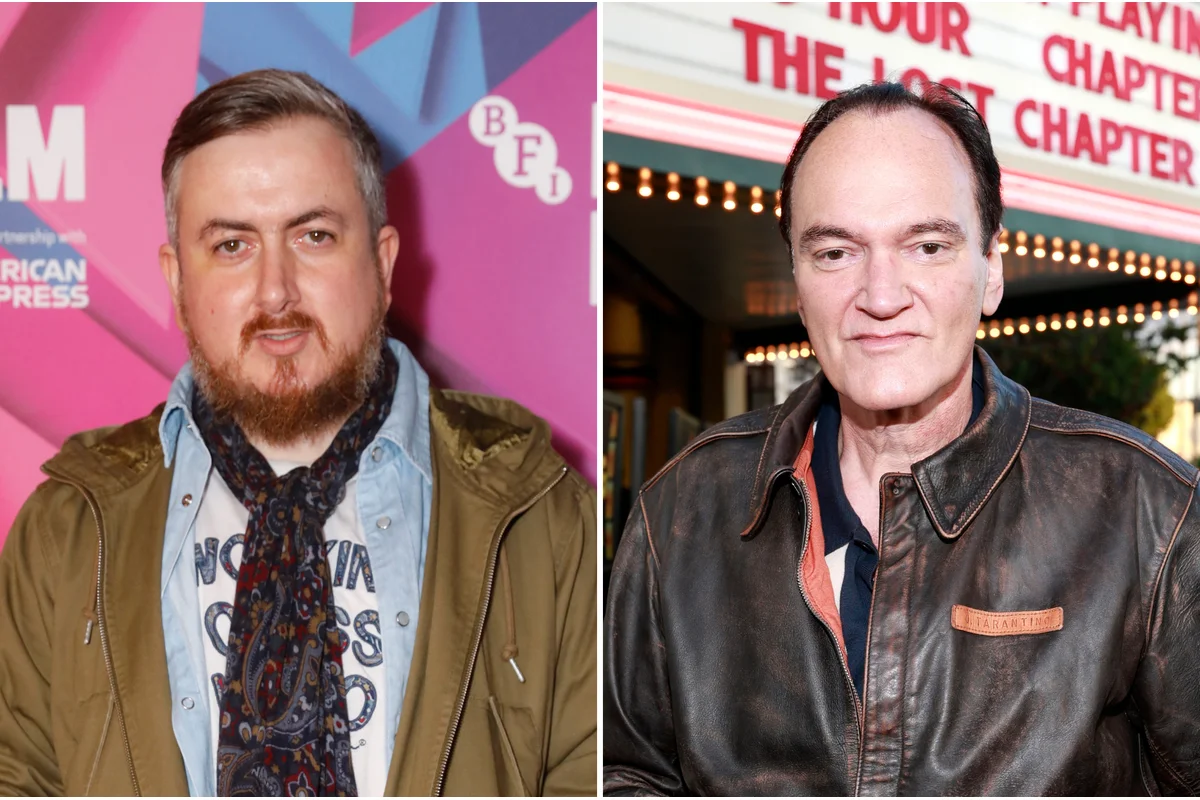
In February 2026, Roger Avary, a longtime collaborator of Quentin Tarantino, ignited a heated debate within the film industry by launching an AI-powered film studio named General Cinema Dynamics. This announcement has thrust the Quentin Tarantino AI controversy into the spotlight, challenging traditional filmmaking norms and exposing deep divisions among creators and fans about technology’s role in cinema’s future.
Roger Avary’s AI Initiative Challenges Traditional Filmmaking Ideals
Roger Avary, known for his work alongside Quentin Tarantino on films such as Pulp Fiction, disclosed plans to produce three full-length features using artificial intelligence in partnership with Massive Studios. On social media, he described AI as
“the most democratizing development in cinema technology since digital,”
emphasizing the permanence of this technological shift.
This announcement thrilled many followers who embrace AI’s potential to transform filmmaking. However, it equally stirred controversy among cinephiles and seasoned creators who view AI’s expanding influence with suspicion. The growing use of AI in creative fields has sparked tensions, particularly concerning authorship and originality. From accusations of AI-generated art overshadowing traditional comic book illustrators to unsettling questions about copyright infringement, the debate has intensified over recent years.
Avary’s move aligns with other notable filmmakers experimenting with AI, including Darren Aronofsky, who is producing a generative AI series centered on the American Revolution titled 1776. Such ventures have drawn ire from industry veterans worried about the potential erosion of jobs for screenwriters, editors, CGI artists, and actors themselves.
While studios may continue to reward established talents and franchises, independent AI-driven companies threaten to disrupt this balance by creating content rapidly and cheaply. This raises critical doubts about how genuinely original AI-generated works can be when the technology itself recycles existing material endlessly.
Avary openly anticipated that his AI stance might alienate Quentin Tarantino, acknowledging this with a hint of humor. Tarantino, celebrated for his deep respect for classic cinema—evident in his admiration for Ennio Morricone’s compositions and resistance to digital cinematography—embodies the divide brewing between filmmakers devoted to traditional art forms and those captivated by AI’s possibilities.
Criticism Grows Over Claims That AI Democratizes Filmmaking
Avary and like-minded creators argue that AI tools lower barriers for aspiring filmmakers, contending that the industry unjustly gatekeeps access to opportunities. They maintain that large-scale language models and AI creativity platforms open doors for new voices traditionally excluded from Hollywood’s inner circles.
Nevertheless, filmmaking’s accessibility has improved considerably over past decades due to affordable production equipment and editing tools. What remains restrictive, however, are distribution networks—getting a film onto streaming platforms or into theaters continues to present a formidable hurdle regardless of production method.
Ironically, the call for “democratizing” filmmaking often accompanies remarks that dismiss the industry’s meritocratic values altogether. Advocates of AI claim it offers a more equitable route to recognition but fail to reconcile this with the reality that almost anyone could replicate or slightly modify AI-generated content endlessly, undermining the establishment of genuine talent.
Directors like Aronofsky and Avary, eager to explore AI’s potential, may underestimate the flood of AI content their approach invites, placing professional and amateur creators on an even footing. Rather than elevating quality, AI risks reducing originality to a commodity duplicated across multiple platforms.
Reports suggest that success in AI-driven projects will depend more on existing industry connections and distribution deals than on any inherent superiority of the AI-generated material itself. Even if AI trailers or previews appear striking, they often lack meaningful narratives, serving instead as assemblages of rehashed ideas.
Roger Avary Exposes a Deepening Crisis in Cinema’s Future
The controversy surrounding Avary’s AI ventures reflects broader anxieties about the shrinking space for original stories in today’s film industry. As studios increasingly rely on familiar intellectual properties, emerging writers and directors with innovative visions find it harder to break through, fostering desperation to find alternative routes to market.
The immense libraries of older films available on streaming services offer comfort to some viewers, yet others appear to have already embraced generative AI, rationalizing their commitment after the fact. This trend suggests that for some creators, interest lies less in mastering cinematic craft and more in exploiting AI’s novelty.
Moreover, recent blockbuster productions have struggled with high-quality CGI investment, leaving animation departments reliant on green-screen-heavy techniques that sometimes undermine visual authenticity. The contrast between these trends and AI’s fast proliferation is stark.
Studio executives seeking to push back against AI must emphasize the superior storytelling, emotional resonance, and immersive experiences that human creativity uniquely delivers—qualities generative AI currently cannot duplicate.
Human Creativity Remains Essential Amid the Rise of AI in Film
Despite AI’s growing presence, the industry’s survival hinges on preserving human input throughout the filmmaking process. While AI may assist in editing or CGI enhancements, relinquishing core creative control risks outsourcing imagination itself to algorithms, diminishing the art form.
History demonstrates that audiences continue to crave fresh, high-quality narratives rather than formulaic blockbusters anchored solely in expensive, well-worn properties. Films like Sinners and Weapons exemplify how risk-taking and originality still command attention and respect.
In an era where anyone can generate a feature film with AI in a day, the value of genuine artistic endeavor must be fiercely defended. Encouraging mediocrity and inadvertent intellectual property appropriation in exchange for widespread clicks threatens to discourage true creators from contributing their talents.
While Roger Avary and Darren Aronofsky see AI as the next frontier for storytelling, their optimism contrasts with the broader concern that this technology could ultimately dilute cinema’s rich tradition and elevate novelty over substance.
