
Quentin Tarantino Western Legacy is deeply rooted in his admiration for Sergio Leone’s masterpiece, The Good, the Bad and the Ugly, which he regards as a pinnacle of cinematic achievement. Since rising to prominence with Reservoir Dogs in 1992, Tarantino has openly celebrated the filmmakers who shaped his vision, particularly emphasizing the impact of Leone’s work on the Western genre and beyond.
Tarantino’s Enduring Fascination with Western Films
Quentin Tarantino’s affinity for Westerns, especially Spaghetti Westerns, is a cornerstone of his filmmaking identity. He has frequently cited classic titles such as Django and Rio Bravo as major influences, incorporating the style and themes of these films into his own work. This passion extends beyond mere homage, playing a central role in projects like Django Unchained and Once Upon a Time in Hollywood, where Western elements shape characters and narrative arcs.
Django Unchained stands out as Tarantino’s tribute to the genre’s 1960s golden era, specifically drawing inspiration from Sergio Corbucci’s original Django (1966). The film showcases Tarantino’s hallmark blend of stylized violence and complex storytelling. Though controversial at release, it has since earned recognition for its important place within Western cinema.
Following this, The Hateful Eight (2015) blended elements of classic Western mystery with the claustrophobic suspense reminiscent of John Carpenter’s The Thing. This combination illustrates how Tarantino fuses his unique voice with respect for genre traditions, crafting films that both honor and reinterpret familiar cinematic tropes.
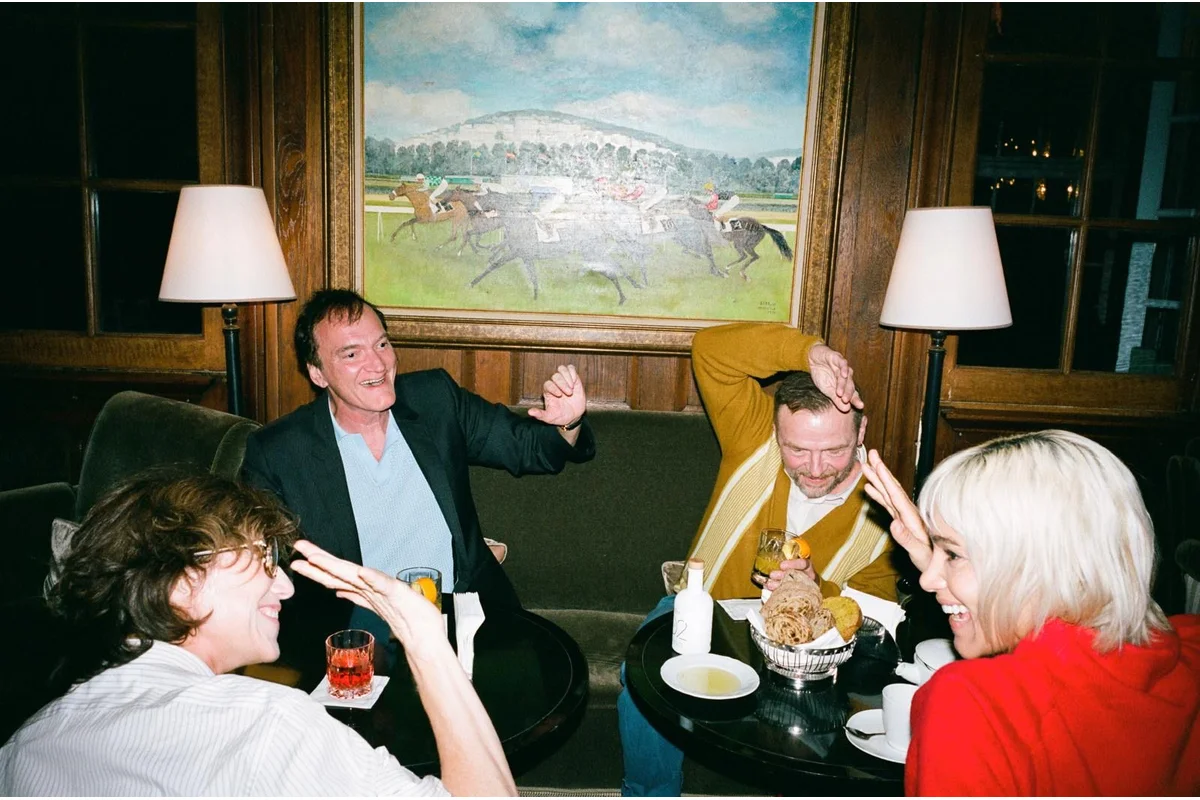
While Tarantino admires a range of directors—including John Ford, Don Siegel, and Sergio Corbucci—it is Sergio Leone who holds a particularly revered spot. Leone, an Italian filmmaker known for his work in various cinematic styles, fundamentally transformed the Western landscape with his visionary storytelling and stylistic innovations.
The Defining Impact of Sergio Leone’s Western Trilogy
Sergio Leone’s legacy began taking shape with his 1964 film A Fistful of Dollars, which introduced Clint Eastwood’s iconic “Man With No Name” character. After refining his approach in For a Few Dollars More (1965), Leone reached a creative apex with The Good, the Bad and the Ugly (1966), a film that continues to resonate with audiences and filmmakers alike.
Tarantino champions Leone’s philosophy that genre films should embrace the myths and legends they evoke rather than portraying a purely realistic historical depiction. This approach renders Leone’s Westerns almost mythical, with characters embodying archetypes that feel larger than life—whether the ruthless Frank or the honorable Harmonica in Once Upon a Time in the West.
In The Good, the Bad and the Ugly, the titular characters Blondie, Angel Eyes, and Tuco represent exaggerated yet compelling representations of Western personas. Leone’s dual role as writer and director ensured that every creative aspect—themes, visuals, and tone—aligned with his distinctive vision, much like Tarantino’s careful crafting of his own films.
Tarantino considers the Dollars Trilogy as the crucial link between classic Hollywood filmmaking and contemporary cinema, altered by Leone’s innovative use of vibrant and dynamic opening sequences. He has gone so far as to call the trilogy
“the greatest achievement in the history of cinema.”
Leone’s influence is visible throughout Tarantino’s work; for example, the entrance of Hans Landa in Inglourious Basterds is a direct homage to Angel Eyes’ introduction in The Good, the Bad and the Ugly. Both characters are portrayed as intelligent, calculating detectives who manipulate their environment for self-serving, often evil motivations, reinforcing their status as iconic villains in film history.
The subtleties of Leone’s direction extend beyond thrilling action scenes. His use of prolonged, quiet moments builds tension and reveals character depth, as seen in how Angel Eyes is introduced. In only a few scenes, audiences understand his ruthless nature and adaptive morals.
Similarly, Tuco is sketched as the quintessential survivor, a tough gunslinger who instinctively knows when to disengage from peril. It is through grand sequences such as the Battle of Branston Bridge and the climactic standoff that Leone’s mastery is fully realized. His depiction of the West is elevated—epic, noble, and infused with a romanticism that sets it apart from other more revisionist interpretations, existing almost as a separate mythic realm.
The Lasting Influence of The Good, the Bad and the Ugly on Cinema
Sergio Leone’s influence is acknowledged widely beyond Tarantino’s admiration. The documentary Sergio Leone: The Italian Who Invented America showcases acclaim from filmmakers like Martin Scorsese and Steven Spielberg, as well as from comic book legend Frank Miller. Central to this legacy is the work of composer Ennio Morricone, whose music helped transform the film into something truly extraordinary.
The collaboration between Leone, Eastwood, and Morricone birthed a genre-defining Western that appeals even to those typically indifferent to the genre. While Steven Spielberg’s Jaws is often credited with launching the modern blockbuster era, its possibility might have been shaped by the pioneering environment Leone’s film created.
Directors leave their unique imprints on the film industry, whether through visual storytelling, narrative intensity, or transformative influence on genres. For Tarantino, it was revolutionizing crime cinema in the 1990s with Pulp Fiction, inspiring countless new voices. For Sergio Leone, it was transforming Westerns and the blockbuster format itself, embodied in the enduring power of The Good, the Bad and the Ugly.
“the greatest achievement in the history of cinema.”
Quentin Tarantino, Director
