
Quentin Tarantino, a towering figure in cinema since the 1990s, established his distinctive voice with critically acclaimed movies that have developed passionate followings. Central to the director’s early success was editor Sally Menke, who began working with Tarantino in 1992 during the production of Reservoir Dogs. Menke, then 29 and primarily experienced in CBS documentaries and low-budget films, quickly became an essential collaborator after reading the Reservoir Dogs script and being hired to edit the film.
Though Reservoir Dogs had modest box office success initially, it grew into a highly regarded independent film that launched Tarantino’s storied career. Over the next 17 years, Menke edited every Tarantino film from Reservoir Dogs through Inglourious Basterds, a total of eight projects. Her exceptional skill earned her two Academy Award nominations, and Tarantino credited her as his “only true, genuine collaborator” during his 2007 ACE Eddie Awards acceptance speech. Menke’s rapport with actors was evident, as the Inglourious Basterds cast often greeted her with “Hi, Sally!” at the end of takes.
In the years leading up to 2010, the partnership seemed destined to continue uninterrupted, with Menke’s editing playing a key role in defining Tarantino’s iconic style.
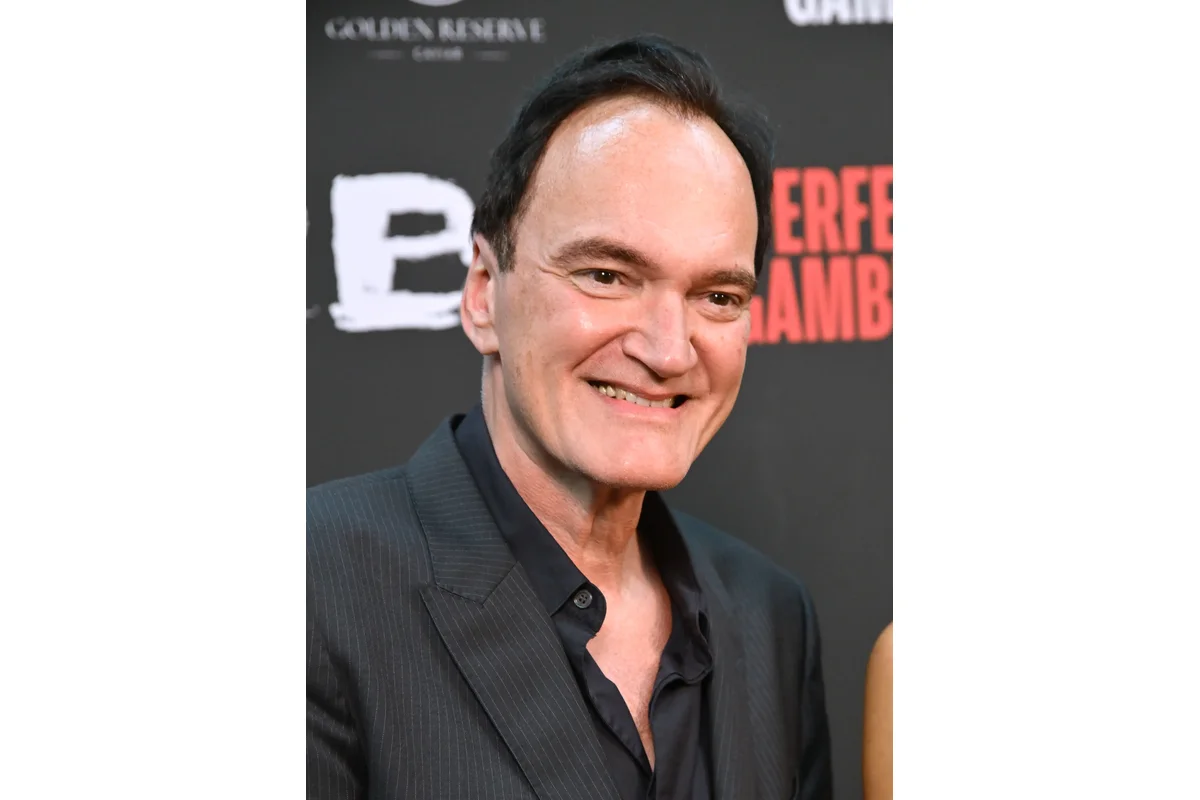
How Sally Menke’s Death Marked the End of a Creative Partnership
On September 27, 2010, Sally Menke went missing while hiking in Los Angeles’ Griffith Park. After an extensive search involving the Los Angeles Police Department and rescue teams, she was found unresponsive at the bottom of a ravine the next day. Her death was attributed to heat-related causes during a severe heatwave in the region.
The sudden loss deeply affected the film community and especially Tarantino. When asked about proceeding without Menke on his upcoming project, Django Unchained, Tarantino said,
I will go on, but how? I cannot answer that right now.
Quentin Tarantino, Director
Despite his grief, Tarantino moved forward with Django Unchained, marking a new chapter in his career without the editorial guidance of his longtime collaborator. Although Tarantino’s post-Menke films—Django Unchained, The Hateful Eight, and Once Upon a Time in Hollywood—achieved commercial success and won Oscars, many observers noted a significant change in pacing and narrative form compared to his earlier work.
Recognizing the Impact of Menke’s Absence on Tarantino’s Later Works
Critics and dedicated fans have remarked on a distinct shift in Tarantino’s film rhythm after Menke’s death. His earlier movies were often tightly paced, emotionally charged stories. In contrast, films like Once Upon a Time in Hollywood showcase a more expansive, meandering narrative style that sometimes allows scenes to exist without advancing the plot directly.
This evolution may reflect artistic growth on Tarantino’s part, but it also highlights the absence of Menke’s sharp editorial influence, which was instrumental in giving his earlier work its lean, focused quality. Over a decade after her passing, no other editor has emerged to replicate the close synergy Tarantino and Menke once shared, making their collaboration a uniquely defining era in modern cinema.
Sally Menke’s contributions quietly shaped the peak of Quentin Tarantino’s iconic style, and while his career continues successfully, her death marked an unequivocal turning point in the director’s creative journey.
