
Arnold Schwarzenegger’s latest role marks a bold departure from his usual films, showcasing the actor in a deeply dramatic part unlike anything he has done before. Centered on a real-life tragedy, this movie explores themes of grief and guilt, offering viewers a chance to see Schwarzenegger’s range beyond his established reputation as an action star, highlighting the significance of this Arnold Schwarzenegger dramatic role.
A Closer Look at the Story Behind Aftermath
Many who approach Aftermath might expect another high-octane action thriller consistent with Schwarzenegger’s past movies, given the intense poster imagery and the tagline hinting at revenge. Yet, the film defies these expectations by taking a slower, more contemplative approach. Aftermath retells the true story of a catastrophic mid-air collision over Überlingen, Germany, in 2002, which profoundly changed the lives of those involved.
The narrative focuses mainly on two men affected by the disaster. Schwarzenegger plays Roman Melnyk, a father and husband who loses his entire family in the crash, reflecting the experiences of Vitaly Kaloyev. Parallel to this, Scoot McNairy portrays Jacob, the air traffic controller on duty during the collision. Their stories unfold with a measured, emotional weight, highlighting the devastating aftermath as both men struggle to cope with loss and responsibility. The film builds steadily as these two men lead separate lives marked by sorrow before their paths intersect in the final act.
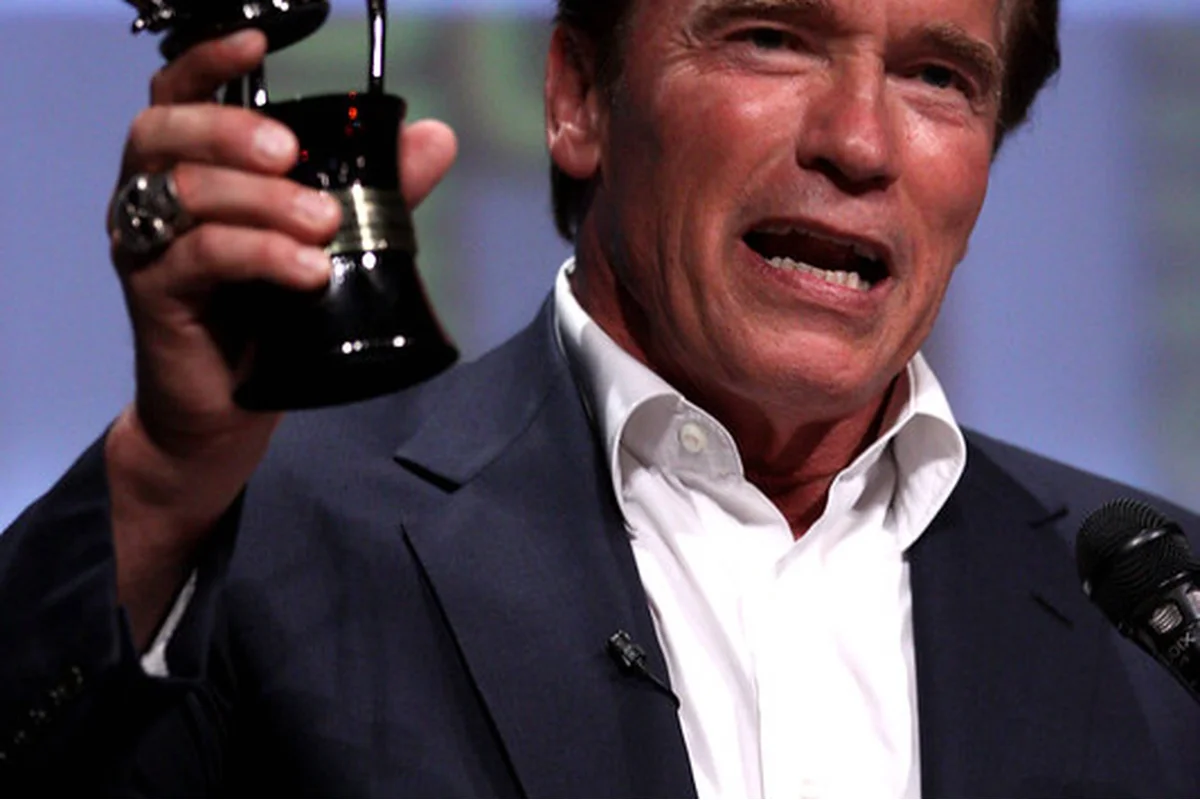
Arnold Schwarzenegger’s Unconventional Performance in Aftermath
Unlike typical roles where Schwarzenegger is seen wielding power or engaging in physical combat, Aftermath places him in the role of a grieving father overwhelmed by rage and despair, yet unable to immediately act on these emotions. This restraint pushes the actor into unfamiliar territory, requiring a subdued and introspective portrayal that diverges from his well-known action and comedic characters.
It is rare to witness Schwarzenegger in such a quiet, contemplative role where dialogue is minimal and much of the emotional storytelling is conveyed through subtle facial expressions rather than action or dramatic speeches. This deliberate choice highlights a vulnerability seldom explored in his career, as Roman is trapped in a state of shock and mourning, unable to find resolution or relief until the film’s closing moments.
Critics and audiences might typically expect roles focusing on deep emotional trauma to go to actors such as Aaron Eckhart or Jake Gyllenhaal, known for their intensity in similar character studies. However, Schwarzenegger’s embodiment of Roman Melnyk challenges this convention, inviting viewers to put aside their perceptions of him as “Action Arnold” or “Comedy Arnold” and to see his character as a man stripped of control and power.
The Emotional Weight and Impact of This Role
This Arnold Schwarzenegger dramatic role is not a typical blockbuster but rather an intimate character study fueled by real tragedy. His usual stern glares soften into expressions marked by genuine grief and vulnerability, offering a new layer to his on-screen personality. While Aftermath is unlikely to replace Schwarzenegger’s most popular films, it demonstrates his willingness to tackle complex emotions and understated performances.
The film’s slower pace and focus on psychological turmoil make it a significant departure, reinforcing the actor’s capacity to surprise and stretch beyond the confines of action-driven storytelling. This role may well influence how audiences and critics perceive Schwarzenegger’s future projects, revealing untapped dimensions of his craft.
Looking ahead, Aftermath sets a precedent for Schwarzenegger to explore more dramatic parts that challenge stereotypes and offer greater emotional depth. This shift in his career might encourage other established action stars to embrace atypical roles and broaden the kinds of stories they tell on screen.
