
Emerald Fennell’s adaptation of Wuthering Heights, released in 2026, struggles to capture the intense emotional core of Emily Brontë’s original novel, particularly in its portrayal of the central relationship between Catherine Earnshaw and Heathcliff. Despite Warner Bros.’ bold promotion of the film as
“the greatest love story of all-time,”
this description contrasts sharply with the actual dynamics shown on screen, where the passionate and vengeful tension that defines the story is notably missing.
The Missing Spark in Catherine and Heathcliff’s Relationship
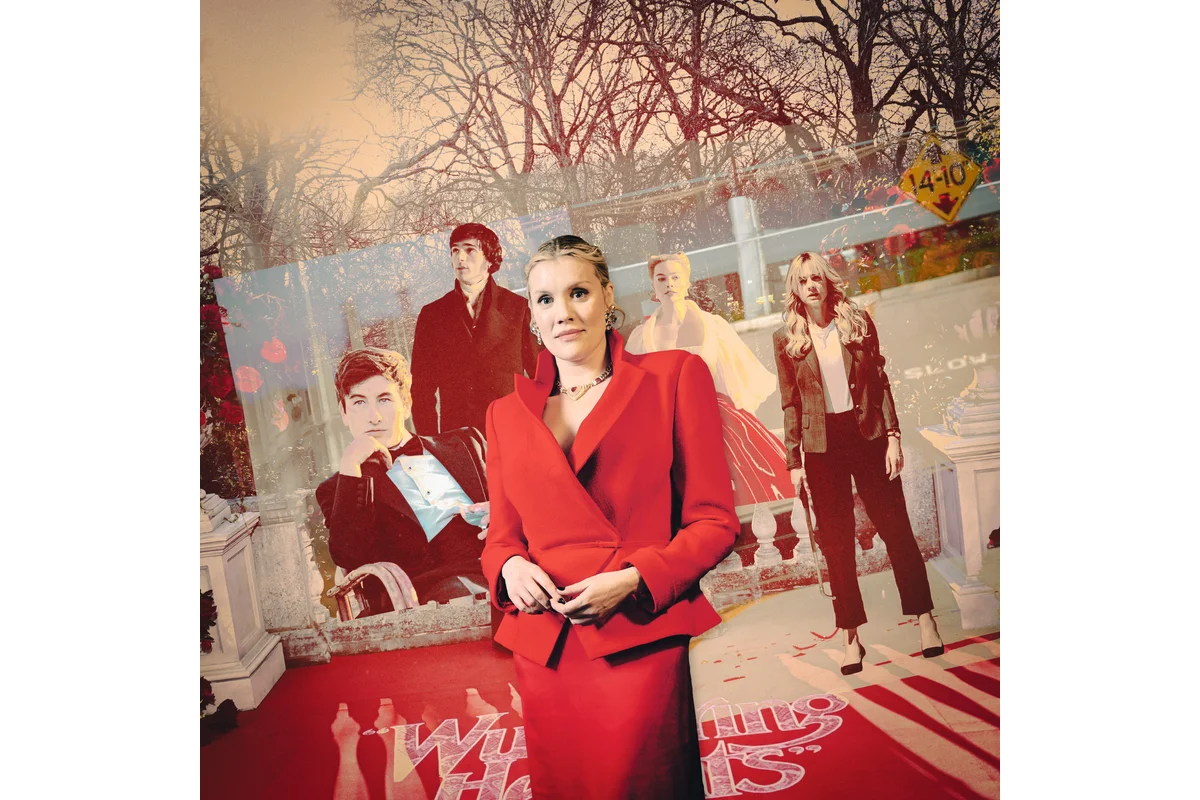
In the film, Catherine (Margot Robbie) and Heathcliff (Jacob Elordi) share a bond built more on physical intimacy than the complex, tortured emotions Brontë depicted. Contrary to the novel—where their connection is charged with yearning and separation, heightened by their respective marriages to Edgar Linton (Shazad Latif) and Isabella Linton (Alison Oliver)—the film portrays them as openly intimate, which undercuts the narrative tension that made their story compelling. This shift dilutes not only their relationship but also the devastating impact of the story’s tragic ending.
The early lives of Catherine and Heathcliff maintain some fidelity to the book, showing the younger versions of the characters—Charlotte Mellington as young Catherine and Owen Cooper as young Heathcliff—form a sibling-like relationship when Catherine’s father (Martin Clunes) takes in Heathcliff from the streets. However, the film glosses over the social and racial complexities that underscore their bond in the novel. While Catherine initially treats Heathcliff as a subordinate, the evolving infatuation between them lacks the poignancy of forbidden desire because of the film’s altered narrative choices.
How Class and Race Tensions Are Underplayed in the Film
One of the more powerful aspects of the original novel is the class divide that keeps Catherine and Heathcliff apart. The film captures this to some extent during the first half, especially when Catherine feels unable to be with Heathcliff due to his social status and when he leaves Wuthering Heights to seek fortune elsewhere. Yet, by allowing their affair to become a secret but physical reality, the movie removes the idealized, unattainable love that haunts the original characters.
Moreover, the film sidesteps the racial ambiguities that literary critics have long debated regarding Heathcliff’s background. In the novel, Heathcliff’s ethnic otherness plays into why Catherine is both fascinated and conflicted by him, adding layers to their relationship. Fennell’s adaptation casts both leads as Australian actors of similar ethnic backgrounds, removing this critical element and thereby simplifying the source material’s tensions.
Simplified Character Portrayals Weaken the Story’s Conflict
The movie also flattens the complexity of Catherine and Heathcliff’s respective marriages. In Brontë’s novel, Catherine is generally content with Edgar Linton’s kindness, and Heathcliff’s marriage to Isabella is a calculated act of cruelty designed to torment Catherine. The film reimagines Edgar as a clear villain whom Catherine marries solely for social advancement, and it depicts Heathcliff and Isabella’s relationship as more consensual, granting Isabella greater agency. While these changes may soften the narrative, they also reduce the disturbing, toxic elements that make the novel’s characters so compelling.
This more traditional romantic framing diminishes the psychological depth and moral ambiguity that should make the story gripping and unpredictable, lessening the impact of scenes meant to deliver emotional blows. The unhealthy, destructive nature of Catherine and Heathcliff’s passion is lost, leaving a more conventional, less intense love story in its place.
The Chemistry Between Margot Robbie and Jacob Elordi Falls Flat
Central to the film’s shortcomings is the lack of believable chemistry between Robbie and Elordi, who play adult Catherine and Heathcliff. The problem is compounded by unclear character ages, making certain behaviors, especially the explicit scenes, less credible. The novel emphasizes the adolescent turmoil and hormonal intensity of their youthful desires, something difficult to recreate with the adult actors cast in these roles. In contrast, the younger actors—Charlotte Mellington and Owen Cooper—convey more convincing interactions as teenage versions of the characters.
Beyond casting, the film removes some of the novel’s harsher family dynamics that fueled conflict. For example, Catherine’s older brother Hindley, a key figure in Heathcliff’s abuses in the literary work, is downplayed. Additionally, the absence of the next generation of characters, such as Catherine’s daughter Cathy and Heathcliff’s son Linton, eliminates the broader ramifications of the main characters’ troubled marriages. These omissions simplify the story but also reduce its narrative depth.
Fennell’s adaptation hints at intriguing ideas, like the possibility raised by Catherine that Heathcliff is named after her deceased brother, suggesting a deeper familial connection potentially rooted in an extramarital affair. However, these themes are left undeveloped, which frustrates viewers seeking a fuller exploration of the story’s complexities.
Implications and Reception of This Adaptation
Emerald Fennell’s ambition seems to have been to create a version of Wuthering Heights that is “hot and heavy,” yet the resulting film is sombre and intense without delivering the expected passion or conflict. The emphasis on physical relationships, without the underpinning tension and turmoil, leaves the story feeling emotionally flat and less compelling.
As a result, the adaptation struggles to capture the essence that made Brontë’s novel enduring: a portrayal of dangerous, passionate love intertwined with vengeance and dysfunction. The 2026 Wuthering Heights is currently playing in theaters, and its reception is likely to be divided between those drawn to its somber aesthetic and those frustrated by its lack of the novel’s emotional fire.
