
The BBC issued an apology after a racial slur was unintentionally broadcast during the Bafta Film Awards ceremony on Sunday evening, an incident actor Jamie Foxx condemned as unacceptable. The disturbance occurred while actors Delroy Lindo and Michael B. Jordan presented the award for special visual effects, and expletives were also heard during Bafta chair Sara Putt’s opening remarks and when the directors of the children’s film winner, Boong, accepted their award.
Alan Cumming, the ceremony host, addressed viewers directly to explain the situation and offer an apology.
Explanation of Tourette Syndrome and Apology from Bafta Host
Alan Cumming clarified that the offensive language originated from involuntary vocal tics related to Tourette syndrome, a neurological condition featured in the nominated film I Swear. He stated,
“Tourette syndrome is a disability and the tics you have heard tonight are involuntary, which means the person who has Tourette syndrome has no control over their language. We apologise if you were offended.”
This explanation aimed to contextualize the outburst and reassure the audience regarding its nature.
Jamie Foxx Expresses Disapproval on Social Media
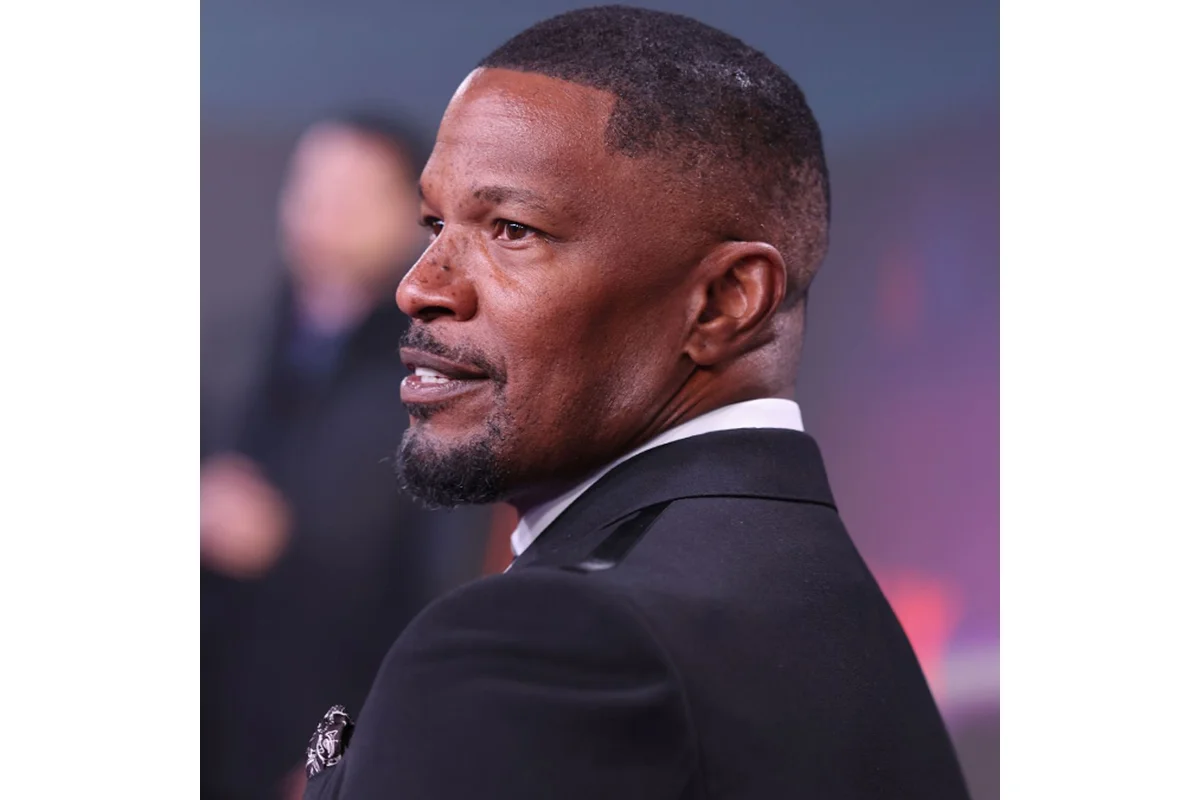
Reacting to video clips of the incident on Instagram, Jamie Foxx criticized the incident sharply. He wrote,
Out of all the words, you could’ve said Tourette’s makes you say that?
and added,
Nah he meant that s**t.
Foxx’s comments suggested that the controversial language was intentional rather than involuntary, sparking debate among users online.
Public Reaction and BBC’s Response to the Controversy
Many social media users responded by urging Jamie Foxx to educate himself more thoroughly about Tourette syndrome. Meanwhile, a BBC spokesperson confirmed the use of strong language during the ceremony and reiterated the explanation given by Bafta’s host, saying,
This arose from involuntary verbal tics associated with Tourette syndrome, and was not intentional. We apologise for any offence caused by the language heard.
Background on I Swear and Campaigner John Davidson
The film I Swear, nominated for five Bafta awards and winning two including Best Actor, tells the real-life story of John Davidson, a Scottish campaigner who developed Tourette syndrome at age 12. Davidson was present for part of the ceremony but reportedly left on his own accord. His story first gained attention in the 1989 BBC documentary John’s Not Mad, which portrayed the challenges posed by his condition, including uncontrollable tics and occasional public outbursts of offensive language.
Davidson, who is from Galashiels, was diagnosed in the 1980s when Tourette syndrome was poorly understood. He was recognized with an MBE in 2019 for raising awareness and supporting families affected by the disorder throughout the UK.
Davidson’s Vision for Changing the Narrative on Tourette Syndrome
Speaking previously to STV News, Davidson expressed his hope that the film adaptation of his life would shift public perception. He explained,
We need to take away the negative narrative about Tourette’s and I think this film is going to take us past just raising awareness; it’s going to create a movement, that’s what I’m hoping for.
His ambition is for the film to challenge misunderstandings and reduce the stigma associated with the condition, helping families and society to respond with greater compassion and knowledge.
Recognition for Robert Aramayo’s Performance and Ceremony Impact
Robert Aramayo, the British actor who portrayed John Davidson, claimed a surprise win for Best Actor, outperforming prominent nominees including Leonardo DiCaprio and Timothée Chalamet. The success of I Swear at the Baftas has brought heightened attention to both the film and the topic of Tourette syndrome, amplifying conversations about representation and disability.
Ongoing Discussions and Future Reactions
As the Jamie Foxx Baftas controversy sparked widespread discussion, Bafta organizers, Tourette Scotland, and the actors involved have been approached for further comment. The incident has drawn attention to the complexities involved in portraying disabilities authentically while managing public sensitivity. How this episode will influence future Bafta ceremonies and awareness efforts remains to be seen, but it underscores the importance of continuing dialogue around neurological disorders and media representation.
