
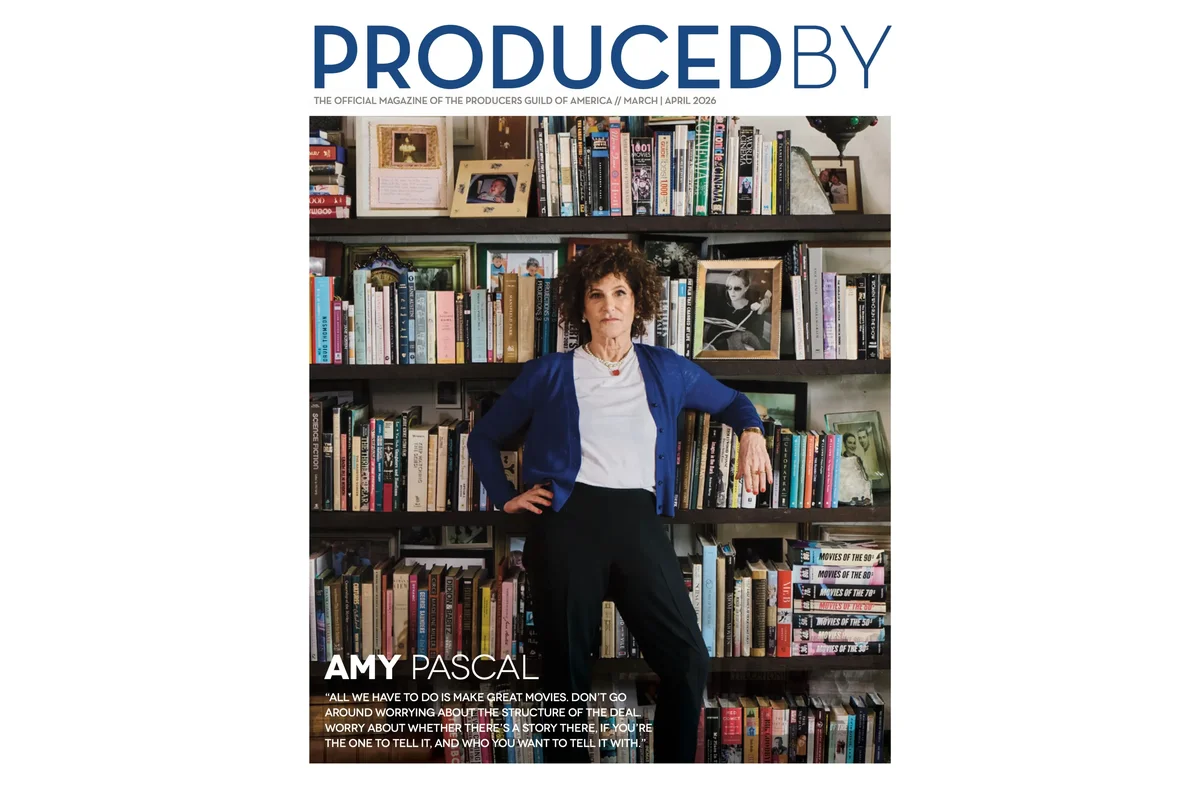
Amy Pascal, a well-known figure in Hollywood with a storied career as a studio executive and producer, has earned the prestigious David O. Selznick Achievement Award from the Producers Guild of America. This honor places her among a select group of recipients including Tom Cruise and Martin Scorsese. Pascal’s journey to becoming a celebrated movie producer has spanned several decades, involving shifts from studio leadership to hands-on film production, with work dating from her early days under BBC producer Tony Garnett to collaborations with acclaimed talents such as Steven Spielberg, Greta Gerwig, and Aaron Sorkin.
The Shift from Studio Executive to Producing
After serving as co-chairman of Sony Pictures Entertainment, Pascal pivoted fully to movie producing following the 2014 Sony cyberattack. Reflecting on the challenges of producing compared to running a studio, she notes a distinct difference:
“Being a producer is actually quite different than being a studio executive. Much more different than I suspected it would be.”
Her foundational years working with Tony Garnett imparted essential lessons: the importance of working with great people and focusing deeply on writers.
Pascal’s producing credits include major films such as the reimagined Little Women, Challengers, and the blockbuster Spider-Man franchise starring Tom Holland, alongside the animated Spider-Verse series. Her approach consistently prioritizes storytelling that centers on character, resisting the idea that superhero movies should be treated as a separate genre.
Collaborating with Directors and Nurturing Creativity
Pascal emphasises the critical role of directors in the filmmaking process, recalling her early encounter with Greta Gerwig before her directorial debut. She was immediately struck by Gerwig’s vision for Little Women, saying,
“When somebody walks into your office like that and says something jaw-dropping, what are you gonna do?”
This instinct for recognizing potential in directors shapes Pascal’s producing style.
She recounts advice she sought from other directors about what makes a good producer. One director humorously remarked,
“Well, the most important thing is that I’m the only person who gets to have feelings… The thing I need is a producer that actually knows how to make a movie, and then it’s all about me.”
Pascal embraces this dynamic, believing that supporting the director is central to successful movie production.
The Challenges and Rewards of Producing Films
Reflecting on the complexity of movie-making, Pascal admits that she often marvels at the final product. She says,
“To be honest with you, I think about that every single time… It’s such an arduous task and it takes so many people swimming in the same direction for anything to work.”
She stresses that the joy of producing comes from the entire process, not just the outcome.
Pascal describes the producer’s role as one of constant presence—being involved from the inception of a project through to its completion. She helps directors stay connected to the original creative impulse, even amid hectic daily demands. This grounding is vital as the producer navigates the many pressures and competing voices within the industry.
Advice for Emerging Producers in a Changing Industry
Addressing the current climate for new producers, Pascal acknowledges that starting out today is difficult.
“I don’t envy anyone who, at this point, is getting started,”
she says. Yet she also points to opportunities across different types of filmmaking beyond traditional theatrical releases, urging upcoming producers to identify their passion and work tirelessly toward their goals.
Maintaining Freshness in Longstanding Film Franchises
Pascal has played a pivotal role in overseeing the Spider-Man series for years. She highlights the importance of keeping these stories grounded in human experience:
“It’s a story about Peter Parker, and that it never is a story about anything else. It begins and ends with a human story, and everything else comes from there.”
She rejects the notion that comic book movies follow a unique set of rules, instead viewing them as dramas and comedies that must resonate emotionally.
To manage the numerous voices involved in such franchises, Pascal insists on focusing on the purpose behind every creative decision. She explains,
“You have to ask yourself all the time why you’re doing something, and you have to make sure that you’re always choosing your ambition and not your ego.”
The Weight and Anticipation of Taking on Iconic Properties like James Bond
Looking ahead, Pascal is involved with the highly anticipated relaunch of the James Bond series. She openly shares her apprehension about the task, saying,
“I’m most afraid of fucking it up, because it’s really easy to do.”
Having witnessed Barbara Broccoli’s production work on Bond films, Pascal aims to immerse herself thoroughly to understand what has made the character enduring and meaningful.
The Bond project is in the early stages, with no finalized script yet. Pascal declines to reveal if there have been any missed opportunities in her career, maintaining her discretion on such matters.
Moments of Joy in Producing and Aspirations for Future Projects
Among the most rewarding experiences Pascal recalls is the premiere of Spider-Man: No Way Home, where the audience’s reaction to seeing three separate Spider-Men together offered a unique and joyful moment. She describes standing
“in the back of the movie theater, the day the movie opens”
as one of her greatest producer joys.
Looking to the future, Pascal expresses a desire to produce a deeply emotional love story with an unconventional ending.
“I would love to do a big weepy love story, like a Brief Encounter. Something where they definitely don’t end up together,”
she says, noting,
“That’s the only kind of love story that works, really. Otherwise, it’s a romantic comedy.”
A Personal Connection to Movies and Inspirations
Pascal’s passion for movies was sparked in childhood through frequent visits to theaters with her father. She names Mary Poppins as a formative influence, having seen it numerous times. The film’s magical quality and the titular character’s strength left a lasting impression on her.
“She wasn’t that nice, but she was fantastic. She knew exactly what needed to get done. And she did it,”
Pascal muses, drawing a parallel to her own role as a producer.
Reflecting on the Role and Legacy of Amy Pascal in Film Producing
Amy Pascal’s career reflects a profound commitment to storytelling and collaboration in the movie business. From climbing the ranks of the studio system to embracing the craft of producing, she has navigated intense industry pressures with a steadfast focus on the creative vision. Her ongoing projects, including collaborations with Greta Gerwig and the stewardship of major franchises such as Spider-Man and James Bond, underscore her influential presence. As she continues to shape Hollywood narratives, Pascal’s insights and experiences offer valuable lessons for new and established producers alike.
