
Clint Eastwood, known for his enduring presence in cinema, has become a cultural icon spanning multiple generations. His career includes memorable roles like those in Sergio Leone’s Dollars Trilogy and the famously quotable Dirty Harry series. Beyond acting, Eastwood’s accomplishments as a filmmaker include acclaimed works such as The Bridges of Madison County and the Academy Award-winning Million Dollar Baby, showcasing his versatility across genres and themes. The focus keyword for this story, “Clint Eastwood strange choices,” highlights a lesser-known aspect of his career trajectory, revealing how his willingness to take risks shaped his legacy.
Eastwood’s dual reputation—as a rugged hero on screen and a disciplined director behind the camera—has established him as a figure with a complex public image. For many moviegoers, he embodies the archetype of a tough, unyielding protagonist. Simultaneously, others respect him as a thoughtful filmmaker who explores complex narratives. This balance is rare, and Eastwood’s ability to navigate both roles convincingly remains part of his distinct appeal.
Taking a Risk with Every Which Way But Loose
Among the many decisions that defined Eastwood’s journey, one particular role stood out as one that his peers urged him not to accept. In 1978, James Fargo directed Every Which Way But Loose, an action comedy starring Eastwood as a macho trucker accompanied by an orangutan, on a quest for love. Despite skepticism from critics, family, and friends, the film was embraced by audiences and achieved considerable box office success.
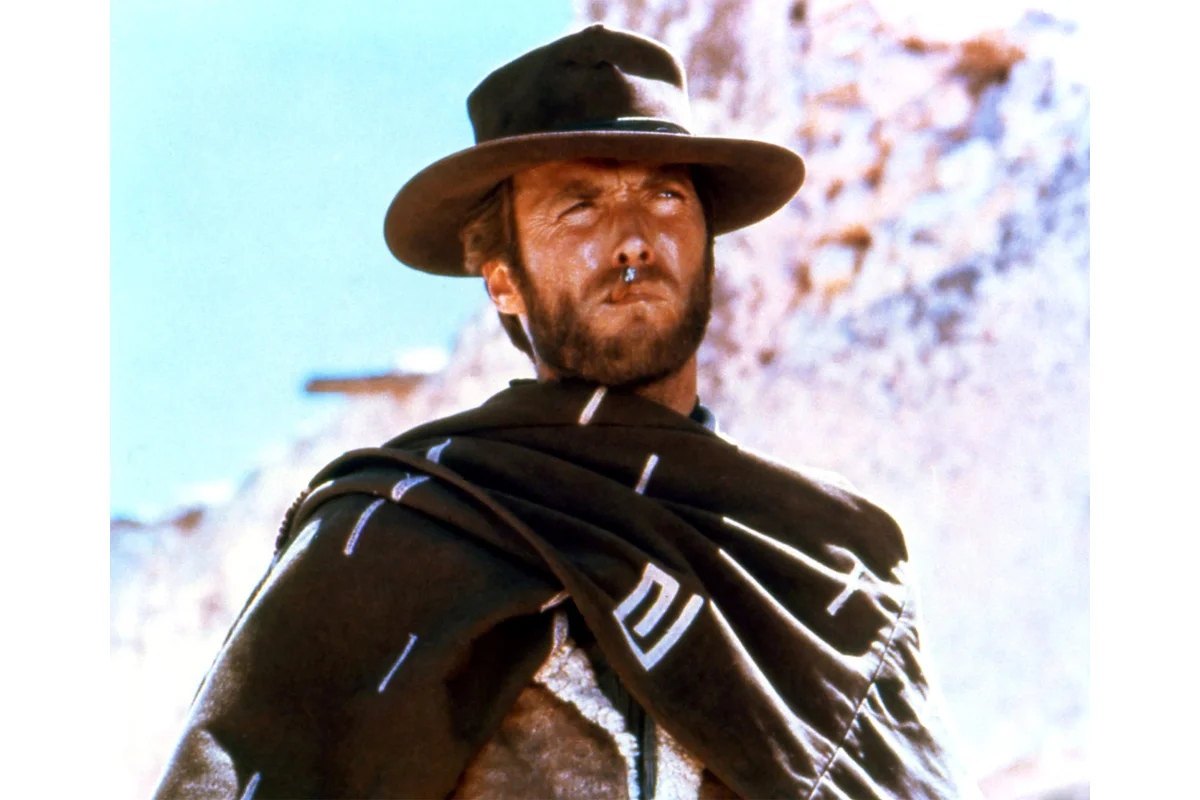
Eastwood later acknowledged that accepting this role sparked much debate, revealing layers of thoughtfulness behind what many assumed was an impulsive choice. He stated,
“Yeah, I’ve made some strange choices along the way. That was a film my agent and everyone else begged me not to do.”
?Clint Eastwood, Actor and Director
Indeed, Every Which Way But Loose seemed far removed from the tough-guy image Eastwood had established. While he was celebrated as an action legend with a gritty presence, this comedic role pairing him with a primate appeared to many as a jarring departure—even a risk to his carefully cultivated persona.
Eastwood’s Motivation Behind a Surprising Choice
Eastwood explained his thought process in embracing the comedic side of his career despite warnings, noting that he had already proven his toughness through numerous action films. He wanted to connect with a younger audience and create a movie that was accessible, lighter, and less confrontational in tone.
“This is after Dirty Harry, and I’d done a lot of action and adventure films, and they said, ‘That’s not you,’ and I said, ‘Well, what is me? I don’t know.’ To me, it was about reaching out to a younger generation, making a movie that kids could see. With a little less mouth. And there was something hip in an odd way about the movie – this strange guy tells his troubles to an orangutan and loses the girl. Everything about it was a little bit off-centre. It seemed like something to do at the time.”
?Clint Eastwood, Actor and Director
This statement indicates Eastwood’s confidence in redefining his range and an openness to experiment with roles outside the expected norms for him, demonstrating a willingness to explore a less conventional path.
Working Alongside an Orangutan: A Unique Experience
Starring opposite an orangutan obviously presented unique challenges, especially given the nature of working with an animal whose behavior can be unpredictable. Eastwood compared his interactions with the primate to working with a young child, requiring patience and readiness to capture scenes quickly.
“It was great – it was like working with a six-year-old. Supposedly, they reach about the level of a seven-year-old child, and they only have the attention span of a child, so you have to go on the first take.”
?Clint Eastwood, Actor and Director
This insight reveals Eastwood’s adaptability as an actor and his ability to manage unconventional situations while maintaining professionalism.
Legacy and Impact of Eastwood’s Unexpected Role
Although Every Which Way But Loose does not rank among Eastwood’s most critically admired projects, it has firmly established itself as a beloved “popcorn classic” and contributed to broadening the actor’s fan base. Its success led to a sequel in 1980, which mirrored the original’s strong performance at the box office.
Eastwood’s willingness to take such a surprising detour reinforces his reputation for making bold, sometimes unconventional career decisions. His strange choices on screen illustrate a broader perspective on his artistic evolution, demonstrating that even established stars can step outside their comfort zones with confidence. For film enthusiasts and historians, these moments provide valuable insight into how established actors reinvent themselves and remain relevant across generations.
