
David Harbour’s dark comedy series DTF St. Louis, created by Steven Conrad, premiered on HBO on March 1 at 9 p.m., delivering a surprising mix of genres. Set in the suburbs of St. Louis, the show challenges viewers with a story that intertwines murder investigation, complicated relationships, and emotional tension, defying initial impressions from its provocative title and trailer.
The series’ tone fluctuates sharply between cynical humor and heartfelt sentiment, exploring human flaws and the complexities of connection. Conrad’s storytelling refuses simple categorization, making the show difficult for some viewers to pin down but rewarding those open to its layered narrative.
Shifting Narratives and Dual Perspectives on Humanity
DTF St. Louis is shaped by two contrasting voices—one cynical and biting, the other tender and vulnerable—both reflective of creator Steven Conrad’s ongoing thematic interests. Critics were initially provided only four of seven episodes, creating an incomplete picture that mirrors the series’ fragmented narrative structure.
The show revolves around Clark Forrest (Jason Bateman), a charismatic St. Louis weatherman whose seemingly superficial profession serves as a metaphor for the unpredictability of life. When Clark nearly suffers a fatal accident during a storm coverage, he is saved by Floyd (David Harbour), the station’s new American Sign Language interpreter. Floyd’s character is complex, a man grappling with personal and familial tensions, including struggles with his stepson Richard (Arlan Ruf) and his wife Carol (Linda Cardellini).
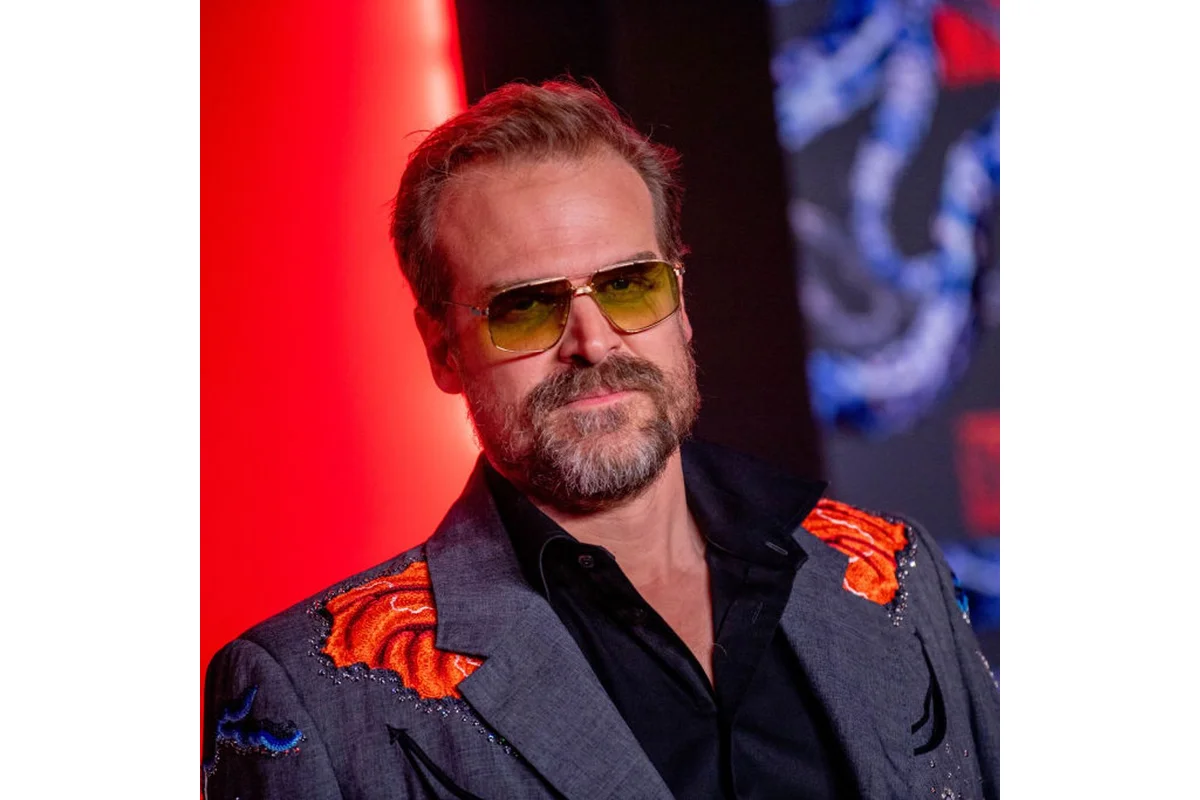
Despite the dark overtones, the series introduces moments of warmth and humor within the suburban setting, though these often feel tinged with suspicion and layered with duplicity, reflecting the intricate power dynamics in relationships.
From Infidelity to Mystery: Plot Developments and Character Dynamics
The storyline quickly turns darker as Clark reveals to Floyd the existence of a controversial app called DTF St. Louis, designed for married individuals seeking affairs, which leads into an affair between Clark and Carol. Early in the pilot episode, Floyd’s death occurs, sparking an investigation led by Detective Donoghue Homer (Richard Jenkins) alongside Jodie Plumb (Joy Sunday) from a special crimes unit.
The narrative unfolds in a non-linear fashion, with flashbacks and shifting perspectives challenging the reliability of the characters’ accounts. The show constantly questions the nature of truth, as viewers are invited to examine whether cynicism or kindness better captures the human condition.
As the story progresses, it becomes clear the series is less concerned with the mechanics of murder or infidelity and more focused on the politics behind interpersonal relationships—what each person seeks, sacrifices, or conceals.
Complex Characters and Dual Performances
Both Jason Bateman and Linda Cardellini portray two contrasting sides of their characters, making it hard to determine their true natures. They switch between generosity and selfishness in ways that keep viewers uncertain. This duality mirrors the show’s broader theme of moral ambiguity, with the line between protagonist and antagonist blurred.
David Harbour’s role as Floyd is particularly challenging and nuanced. Harbour portrays a man whose personality oscillates between endearing vulnerability and uncertainty, inviting viewers to question whether Floyd’s behavior stems from trauma, arrested development, or other unseen struggles. His physical appearance and demeanor in the show—marked by awkward clothing and fluctuating moods—contributes to this deliberate ambiguity.
Creator Steven Conrad’s Signature Style Evident Throughout
Conrad brings his distinctive narrative rhythms to the show, including odd conversational pauses, repeated phrases, and digressions that reveal as much about his characters as their main actions. For example, a debate sparked by a themed Playgirl magazine spreads into a thoughtful, humorous conversation about pornography, illustrating the show’s uncomfortable but genuine examination of human imperfections.
Similarly, seemingly unrelated details, such as Carol’s unexpected job as a baseball umpire despite her limited experience, add to the show’s quirky tone while pointing to the absurdities of suburban life. The series also examines deeper social issues, like the fragility of the American Dream, through its bleak yet sometimes darkly comic lens.
Tonal Shifts and Emotional Stakes Create Unease
The show’s tone shifts from comedic in its early episodes to more sentimental and dramatic later on, creating a tension that can feel both compelling and unsettling. Conrad’s embrace of emotional vulnerability—previously seen in his films like The Pursuit of Happyness and The Secret Life of Walter Mitty—is more overt here, but the balance between sincerity and manipulation remains delicate.
This ambiguity leaves viewers uncertain whether the unfolding emotional moments are earned or contrived. The narrative’s uneven pacing and convoluted revelations may frustrate some, even as others appreciate the risk-taking. The mystery woven through the series remains only partly unraveled at this stage, with major narrative turns anticipated across the remaining episodes.
Exploring Themes of Truth and Perception
The series persistently undermines the reliability of its own storytelling, forcing the audience to reassess what they believe about each character and event. Peter Sarsgaard’s character makes this clear:
No one’s normal, it just looks that way from across the street,
revealing the deceptive facades that the suburban setting conceals.
Moreover, the constant presence of lies—whether minor white lies or malicious deceptions—permeates all interactions. This atmosphere of mistrust aligns with the dark comedic tone while tying into the central murder investigation, emphasizing the elusive nature of truth.
David Harbour and the Ensemble’s Impactful Performances
David Harbour delivers a layered performance that is essential to the show’s emotional core, portraying Floyd as a multifaceted figure whose motives and personality remain in flux. His struggles with personal identity, physical ailments, and family dynamics anchor the unfolding drama.
Meanwhile, Richard Jenkins and Joy Sunday bring gravitas to their roles as law enforcement officers tasked with unraveling the mystery amid jurisdictional tensions. The ensemble cast, including Wynn Everett as Eimy and Arlan Ruf as Richard, contributes to the show’s exploration of suburban and family complexities.
Unpredictable Storytelling Challenges Viewer Expectations
The storytelling style employs a “puppeteer” approach, with characters acting as conduits for creator Conrad’s intricate and sometimes opaque vision. The narrative deliberately signals its artificiality, reminding the audience that this is a constructed world in which nothing should be taken as realistic—even the authentic features of Midwestern suburbia are filtered through this distorted lens.
Such meta-commentary allows for moments of revelation, though these have been less frequent and less transformative than in Conrad’s previous works like Patriot. The series teeters between humor and grimness, with many jokes falling short of outright laughter and emotional scenes stopping just short of deep poignancy.
What Lies Ahead for DTF St. Louis?
With three episodes still unaired for critics, the future of DTF St. Louis remains uncertain. The show might evolve towards profound insight or veer into contrivance, reflecting the inherent risk in balancing its broad tonal shifts and complex narrative.
Detective Homer sums up this unease:
[Y]ou never know the whole thing and you have to trust the evidence that you have.
This sentiment captures the essence of the series itself, inviting viewers to stay attentive to subtle clues and shifting truths as the story unfolds.
Ultimately, DTF St. Louis offers an intense, sometimes disquieting exploration of human nature, with David Harbour’s dark comedy performance at its core. Its examination of relationships, secrets, and the façades people maintain in everyday life promises a provocative, if unpredictable, viewing experience.
