
On February 28, at Dublin’s Light House Cinema, the documentary The Slightest Touch premiered to spotlight the life of Emma Fogarty, the oldest person in Ireland living with severe Epidermolysis Bullosa (EB). The film, directed by Rachel Fleit, traces Fogarty’s personal journey and her longstanding friendship with actor Colin Farrell, who joined her in a marathon fundraiser to raise awareness and support for the EB charity DEBRA.
Fogarty, from Abbeyleix in County Laois, marked her 40th birthday — an age once doubted by doctors she would reach — while preparing to accomplish a fundraising goal with Farrell. The Hollywood star committed to pushing Fogarty’s wheelchair for the final four kilometres of the Dublin Marathon, a symbolic gesture representing her four decades living with the painful skin disorder. Their connection extends over 16 years, beginning at a charity dinner supporting DEBRA.
A Global Platform for Emma Fogarty’s Story
Shortly after the documentary’s creation, HBO Documentary Films acquired worldwide rights, extending Fogarty’s story far beyond Ireland. Fogarty expressed her amazement at the scale of this development.
“We were hoping for someone to pick it up, but HBO? That’s one of the biggest networks in the world. For them to want our documentary, it was just ‘wow’.”
For a person describing herself simply as a
“small-town girl living at home with my parents,”
the international exposure felt both surreal and incredible.
“We’re just normal. So for the world to see us, Americans, everyone, it’s mad. But it’s also incredible, because the documentary is about love and care and community.”
The Marathon as a Symbol of Endurance and Friendship
The Slightest Touch not only documents the physical challenge of the Dublin Marathon but explores the deep friendship between Fogarty and Farrell, which has supported them through difficult times, including the amputation of Fogarty’s leg in 2019. The film emphasizes that it is as much about resilience and companionship as it is about the physical hardships of EB.
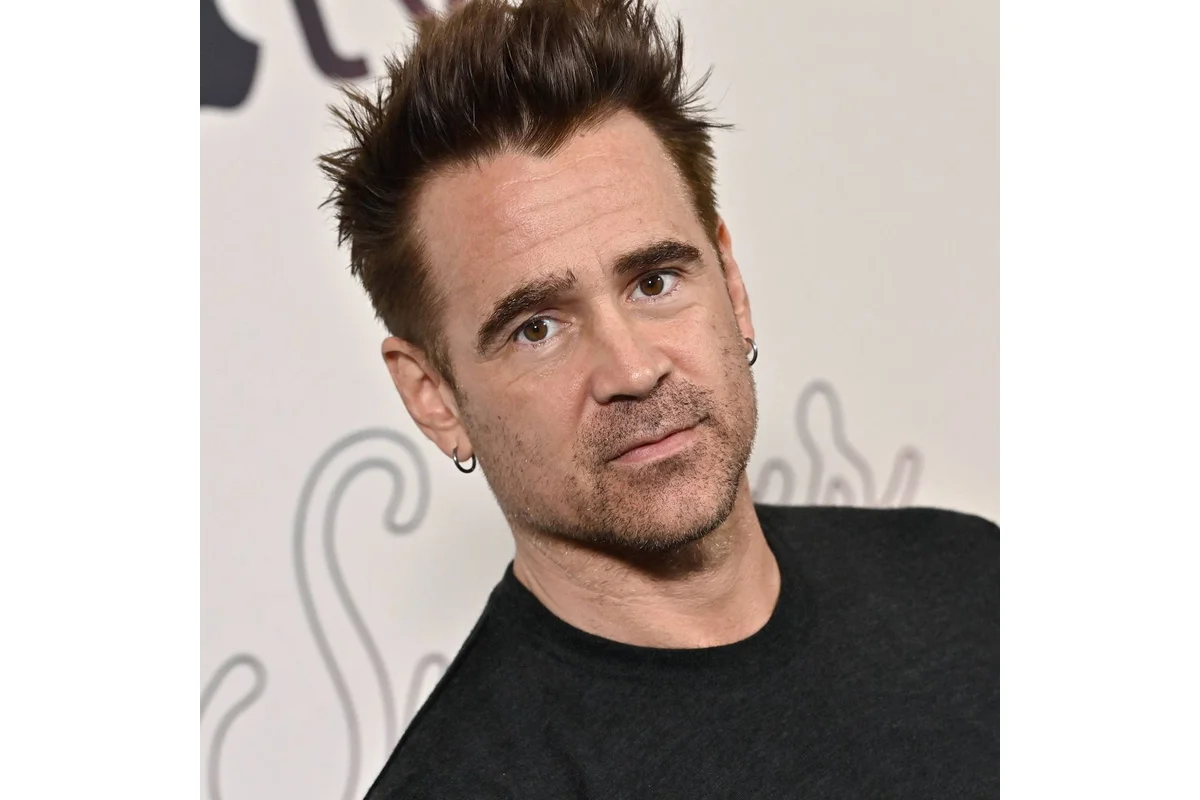
Fogarty explained the true focus of the film:
“It’s about friendship. It’s about what can happen when someone stands beside you and says, ‘I’ve got you.’ The marathon was symbolic, yes, the last four kilometres for the last four decades, but it was really about the years behind that.”
Living with the Constant Challenges of Epidermolysis Bullosa
EB is a rare genetic disorder that causes extremely fragile skin, which can blister and tear even with the slightest friction. Though bandages are often visible, Fogarty reveals the deeper, unseen struggles she endures daily.
“People see the bandages. They don’t know what’s beneath them. They don’t see the pain. It’s a 24/7 daily battle.”
Her daily routine involves a taxing bandage change every second day, lasting several hours and demanding much physical and mental strength. The support of her parents remains essential to maintaining this care.
“There are actually no words for the pain,”
Fogarty said. “Sometimes just living is hard.”
Following such intense care sessions, Fogarty described feeling completely drained but determined to continue with her life.
“It takes everything out of you. And then you just have to get on with the day.”
From Idea to Action: Farrell’s Support and the Marathon Experience
The suggestion to run a marathon together emerged from Farrell several years prior, designed to mark Fogarty’s milestone birthday with a meaningful, impactful event that could raise awareness and funds for DEBRA, where Fogarty acts as an ambassador and board member.
“He just said it one day, ‘What about the marathon?’ And I thought he was joking. But he wasn’t.”
The plan evolved to have Farrell push Fogarty in her wheelchair for the final four kilometres of the marathon, symbolizing decades of perseverance. Their joint appearance on The Late Late Show in October 2024 drew national attention and support.
The campaign’s success far exceeded expectations, raising over one million euros for DEBRA.
“It became something bigger than us. It wasn’t a sad story. It was two friends doing something together. And the country got behind it. That meant everything.”
A Genuine Friendship Under the Spotlight
Fogarty and Farrell’s relationship is portrayed as close-knit and unpretentious — marked by humor and honesty rather than glamour. Fogarty likened their rapport to that of a longstanding couple.
“We’re like an old married couple. We bicker. We slag each other. But there’s huge trust there.”
During the marathon, that trust was crucial as Farrell carefully navigated city streets, avoiding uneven surfaces that could harm Fogarty.
“I was telling him, ‘Watch the kerb, watch the bump,’”
Fogarty recalled.
“And he’d be telling me to relax. We were giving out to each other. But I trusted him implicitly. I knew he would never put me in danger.”
Intimate Moments and Behind-the-Scenes Reality in Filming
The documentary captures candid interactions between the two, including moments of teasing and sincere care, highlighting the emotional depth of their connection. Farrell’s concern went beyond physical health, asking about Fogarty’s mental wellbeing during filming.
“He asked the hard questions, not just, ‘How are you physically?’ but ‘How’s your head?’ That’s when I knew he was a friend for life.”
Director Rachel Fleit nurtured a comfortable environment on set, forging a close bond with the subjects by focusing on authentic family and friendship themes rather than celebrity.
“Rachel is just beautiful. Gentle and kind. She understood that this wasn’t about celebrity, it was about family and friendship.”
During production, unexpected incidents showed the unpredictability of life, including a minor fire at a house gathering ahead of the marathon.
“We actually set a table on fire,”
Fogarty laughed.
“That wasn’t in the plan. There was panic for a minute. It just shows you, even in serious moments, life is still life.”
Reflecting on the Documentary’s Impact
Watching the finished film was an emotional experience for Fogarty, as it revisited the joys and anxieties they had encountered. Most striking to her was the portrayal of their ordinary lives behind the challenges of EB.
“You relive it. You feel the nerves again, the joy again. But what struck me most was how normal we are. EB is part of our lives, but it’s not all of it. Family comes first. Friendship comes first.”
Emma Fogarty’s Advocacy Extends Beyond Film
Last year, Fogarty published her autobiography, Being Emma: Living My Best Life with Butterfly Skin, which chronicles her life from infancy, when she was predicted to survive only days, to becoming a leading EB figure in Ireland.
Her goal for both her book and the documentary is to increase public understanding without eliciting pity.
“I wanted people to understand. Not to feel sorry for me. Just to understand. There’s a difference.”
She hopes that the documentary will show the realities of EB — pain, family, laughter, and friendship — challenging misconceptions based on appearances alone.
“When people see bandages, they make up a story in their head. This lets them see the truth. The pain, yes. But also the laughter, the family dinners, the friendships. We’re not defined by the condition.”
Looking Ahead: The Fight Against EB and Future Hopes
While the acquisition by HBO is a major milestone, Fogarty emphasized that the broader mission is to push for better care, funding, and research to eliminate EB.
“HBO picking it up is amazing, but the goal is bigger than that. We need specialist nurses funded. We need research. We need to eradicate this disease. DEBRA has done exceptional work for decades, but it shouldn’t even have to exist.”
With hope and humor, she shared her ultimate dream:
“And when that day comes when EB is gone, I’ll personally fire everyone in DEBRA.”
“That’s the dream. That we won’t need the charity anymore. That EB won’t exist. Imagine how brilliant that would be.”
